Ferry Irwandi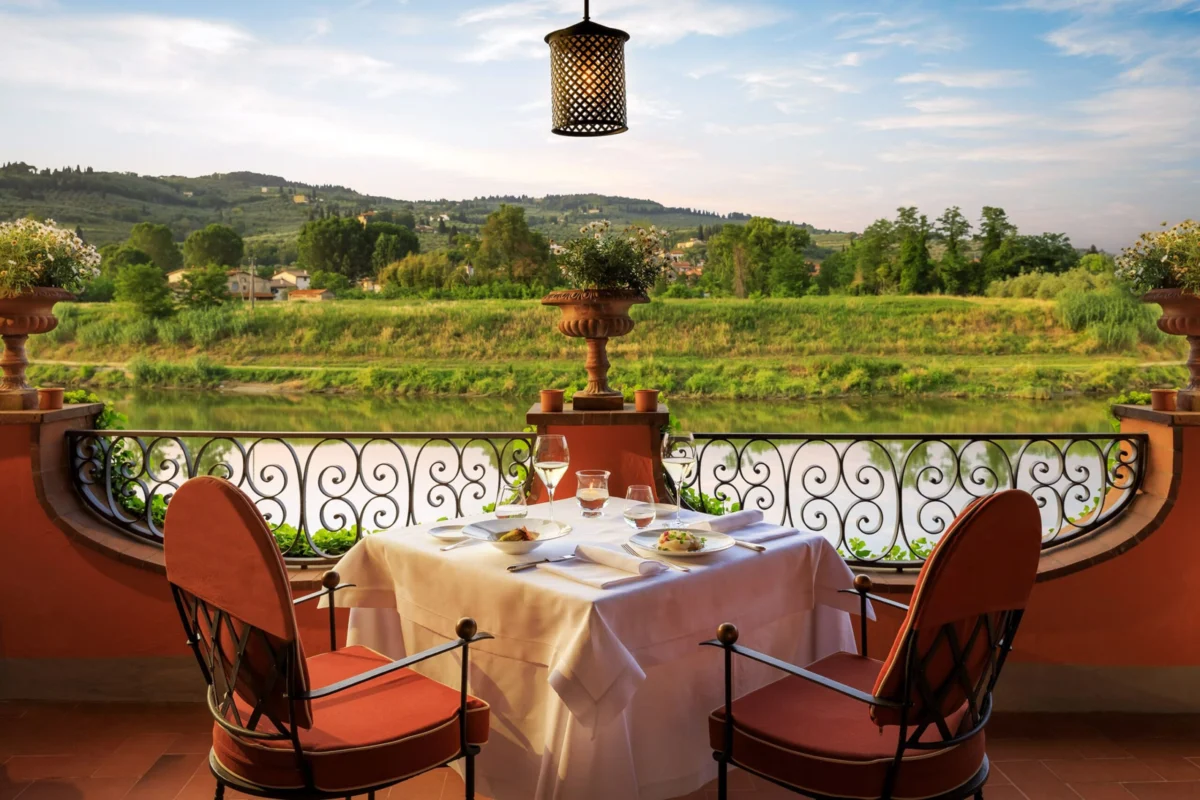
The landscape of high-end hospitality in Florence is undergoing a transformative period of growth, defying long-held perceptions that the city’s historic core had reached its saturation point for luxury accommodations. As the Tuscan capital navigates the complexities of modern global tourism, a series of high-profile openings and extensive renovations between 2025 and 2027 are redefining the standards of the five-star sector. This expansion is characterized by a strategic pivot toward "off-radar" locations and the restoration of historic estates, aiming to balance the influx of high-net-worth travelers with the city’s ongoing struggle against over-tourism.
The 2025-2027 Luxury Development Timeline
The current momentum in the Florentine hotel market began its most aggressive phase in early 2025 with the inauguration of Collegio alla Querce. This property marked a significant milestone as the debut Italian location for the Auberge Resorts Collection. Situated in a former 16th-century cultural institution, the hotel set a new benchmark for the integration of historical preservation and contemporary luxury. Following closely were the arrivals of the Marriott W Florence, a second location for The Social Hub, and the boutique establishment known as The James. These openings signaled a diversification of the market, catering to both traditional luxury seekers and a younger, design-conscious demographic.
In the spring of 2026, the focus shifted to the hills overlooking the city. The Belmond Villa San Michele, a former monastery with a facade attributed to Michelangelo, reopened its doors following an exhaustive 18-month renovation program. The project emphasized the "jewel-box" aesthetic, introducing a specialized Guerlain spa and revitalized garden spaces that capitalize on the property’s panoramic views of the Duomo.
Looking toward the horizon of 2027, the development pipeline remains robust. Industry analysts are closely monitoring the scheduled opening of La Réserve in the Oltrarno district, a move that signals the increasing commercial viability of the city’s southern bank. Furthermore, the five-star Borgo Pignano Florence is slated for a primary debut on September 1, 2027, promising to bridge the gap between urban sophistication and the rustic elegance of the Tuscan countryside.
Addressing the Crisis of Over-Tourism and Urban Density
The rapid expansion of the luxury hotel sector occurs against a backdrop of significant civic debate regarding over-tourism. Florence, a city of approximately 380,000 residents, receives upwards of 10 million visitors annually. The concentration of these visitors within the compact centro storico—the UNESCO-protected historic center—has led to documented strains on local infrastructure and the displacement of permanent residents.
In response, the municipal government has implemented several measures to manage the flow of tourists, including restrictions on new short-term apartment rentals in the historic core. This regulatory environment has inadvertently benefited the high-end hotel sector. By shifting the focus from mass-market short-term rentals to regulated, high-value hotel stays, the city aims to increase the "quality" of tourism—defined by longer stays and higher per-capita spending—rather than sheer volume.
The hospitality industry has responded by developing properties in "off-radar" locations. By encouraging guests to stay in neighborhoods like the Oltrarno or the surrounding Fiesole hills, hoteliers are effectively distributing the foot traffic that would otherwise be concentrated solely around the Piazza del Duomo and the Uffizi Gallery.
Comparative Analysis of Neighborhood Dynamics
The strategic placement of these new hotels reflects a deep understanding of Florence’s distinct micro-markets. Travelers today are presented with three primary geographic choices, each offering a different relationship with the city’s heritage.
- The Centro Storico: This remains the epicenter of the Florentine experience. Hotels located here, particularly those along the banks of the Arno, command the highest price points in the city. The appeal lies in immediate proximity to major monuments, though this comes at the cost of navigating dense crowds and the noise of a high-traffic tourist zone.
- The Oltrarno: Traditionally the enclave of artisans and local workshops, the Oltrarno has emerged as the "uber-hip" alternative to the city center. The upcoming opening of La Réserve highlights the district’s evolution into a luxury destination. The neighborhood offers a more "authentic" atmosphere, characterized by independent boutiques, vibrant nightlife, and a culinary scene that leans toward contemporary interpretations of Tuscan classics.
- The Fiesole Hills and Perimeter: Properties such as Villa San Michele and Villa La Massa represent the "resort-style" luxury segment. These hotels provide a buffer against the summer heat and humidity of the Arno valley. By offering complimentary shuttle services to the Ponte Vecchio, these estates allow guests to engage with the city’s cultural offerings during the day while retreating to expansive gardens and pools in the evening.
Economic Impact and the High-Net-Worth Demographic
The surge in five-star developments is supported by strong economic data indicating a preference for Italy among global high-net-worth individuals (HNWIs). According to recent tourism board reports, the luxury segment in Tuscany has seen a 15% increase in revenue year-over-year, despite broader economic fluctuations in Europe.
Luxury hotels in Florence are no longer merely providing accommodation; they are functioning as cultural curators. The inclusion of high-end wellness facilities, such as the Guerlain spa at Villa San Michele, and the focus on "slow travel" experiences—winery tours in the nearby hills or private access to artisan bottegas—are designed to extend the average length of stay. Current recommendations from travel experts suggest a minimum stay of four nights to fully absorb the city’s offerings, a shift from the two-night "stopover" model that dominated previous decades.
Operational Excellence and Selection Criteria
The selection of these premier properties is not arbitrary. Industry standards, as exemplified by publications like Condé Nast Traveler, prioritize properties that demonstrate a synthesis of design, location, and service. A critical emerging criterion is sustainability. New developments like Collegio alla Querce are increasingly scrutinized for their environmental impact, including water conservation systems and the sourcing of local materials for renovations.
For families, the operational focus has shifted toward space and programming. Historical buildings in the city center often struggle with rigid floor plans that do not easily accommodate multi-generational travel. Consequently, suburban estates like Villa La Massa have gained a competitive edge by offering sprawling grounds, playgrounds, and dedicated family suites, addressing a gap in the market that the cramped palazzos of the center cannot fill.
Industry Reactions and Future Outlook
Industry leaders suggest that the current boom is a correction of the post-pandemic market. "Florence is experiencing a ‘flight to quality,’" notes one hospitality consultant. "The demand for privacy, exclusive access, and high-level service has never been higher. The new wave of hotels is not just adding rooms; they are adding value to the city’s brand."
However, some local heritage groups remain cautious. The conversion of historic institutions, such as schools or monasteries, into luxury hotels is often met with concerns regarding the "privatization" of Florentine history. In response, many developers have committed to public-private partnerships that include the restoration of public monuments or the hosting of cultural events accessible to the local population.
As Florence moves toward 2027, the success of these new establishments will likely depend on their ability to integrate into the local fabric rather than existing as isolated enclaves of wealth. The planned opening of Borgo Pignano Florence will be a significant litmus test for whether the market can continue to absorb five-star inventory without diluting the very charm that draws visitors to the city.
In conclusion, the Florentine hotel sector is in the midst of a sophisticated recalibration. By expanding into diverse neighborhoods and focusing on the restoration of historic assets, the city is attempting to future-proof its tourism economy. While challenges regarding over-tourism persist, the strategic development of luxury infrastructure offers a potential path toward a more sustainable and economically robust model of international travel. For the discerning traveler, the coming years promise a Florence that is more accessible, more diverse, and more luxurious than ever before.