Ferry Irwandi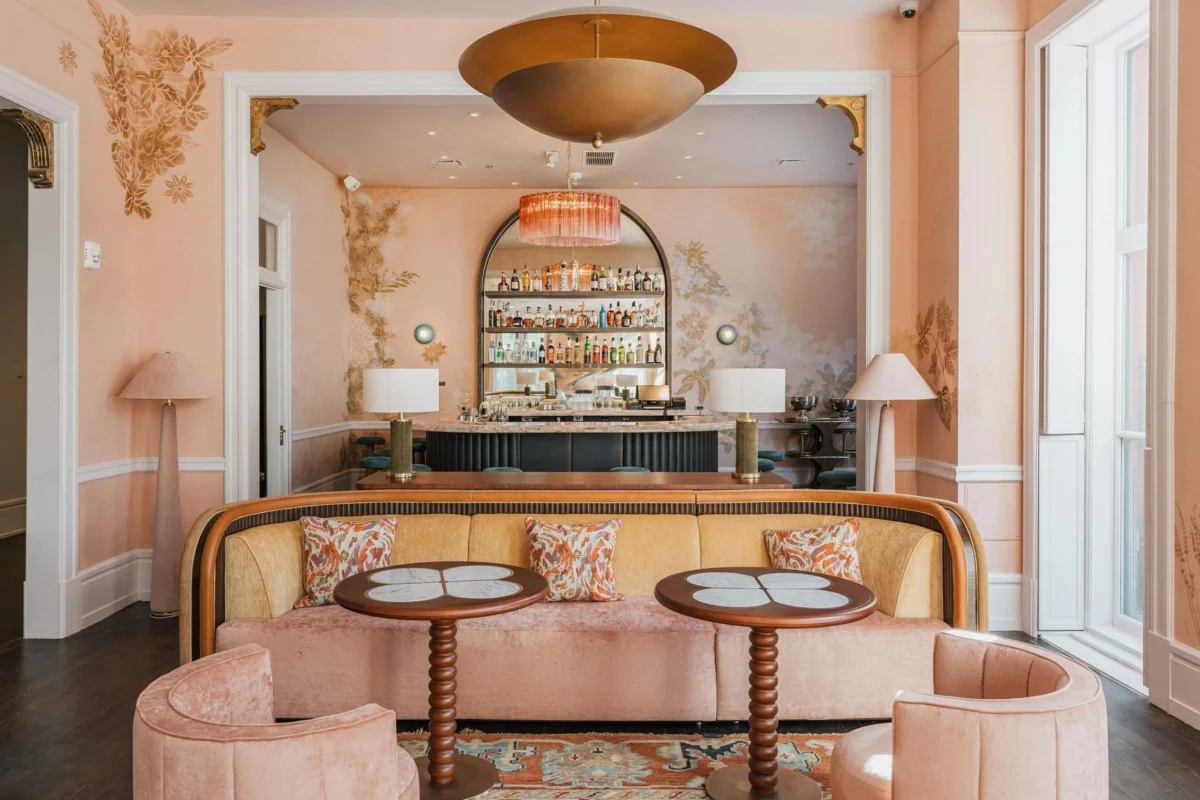
Savannah, Georgia, has long been recognized as a cornerstone of Southern heritage, characterized by its meticulously preserved 18th and 19th-century architecture, its iconic 22 public squares, and a landscape defined by century-old oaks draped in Spanish moss. In recent years, however, the city has undergone a significant transformation, evolving from a traditional heritage site into a sophisticated hub for contemporary art, high-end gastronomy, and a burgeoning boutique hospitality sector. This shift represents a broader trend in the global travel industry, where affluent travelers increasingly eschew standardized luxury chains in favor of intimate, culturally immersive accommodations that offer a distinct sense of place.
The allure of Savannah lies in its dual identity: it is a city that remains deeply connected to its complex, often turbulent history while simultaneously fostering a forward-looking creative economy. This duality is most visible in the Historic District, where cobblestone streets and regal mansions serve as the backdrop for a modern resurgence in the arts and dining. For the modern traveler, the choice of accommodation has become central to this experience. While the city maintains a robust inventory of reliable chain-owned hotels and short-term rentals, the rise of the boutique hotel has redefined the "Savannah experience," prioritizing historical preservation, high-touch service, and curated local narratives.
Historical Context and the Preservation Movement
To understand the current state of Savannah’s hospitality market, one must examine the city’s history of urban preservation. Founded in 1733 by General James Oglethorpe, Savannah was the first planned city in the United States. Oglethorpe’s "Savannah Plan" utilized a grid system punctuated by open public squares, a design that remains largely intact today. However, the city’s architectural integrity was not always guaranteed. In the mid-20th century, many of Savannah’s historic structures faced the threat of demolition to make way for modern development.
The turning point occurred in 1955 with the founding of the Historic Savannah Foundation (HSF). This organization was instrumental in saving the 1820 Isaiah Davenport House and subsequently thousands of other structures within the 2.5-square-mile Historic District. This commitment to preservation created the physical infrastructure necessary for today’s boutique hotel boom. Many of the city’s most acclaimed hotels are housed in former private residences, banks, or civic buildings that were saved during this era. By repurposing these structures, developers have been able to offer guests an authentic connection to the city’s past that cannot be replicated in new-build projects.
The Economic Impact of the Savannah Tourism Sector
The hospitality industry is a primary driver of the Savannah-Chatham County economy. According to data from Visit Savannah, the city’s official tourism leadership organization, the region has seen a steady increase in visitor spending over the last decade. In 2023, the city welcomed millions of visitors, contributing billions of dollars to the local economy and supporting tens of thousands of jobs in the service and leisure sectors.
The boutique segment of the market has played a disproportionate role in increasing the city’s Average Daily Rate (ADR). Travelers seeking "insider" experiences are often willing to pay a premium for properties that offer unique design elements and personalized amenities. For instance, boutique properties like Hotel Bardo and The Douglas have set new benchmarks for luxury in the city. These establishments often report higher occupancy rates than their larger counterparts, driven by a consumer base that values privacy, aesthetic distinction, and localized expertise.
A Chronology of the Boutique Boom
The evolution of Savannah’s hotel landscape can be categorized into four distinct phases:
- The Preservation Era (1955–1990): Efforts focused primarily on residential restoration. Accommodations were limited to traditional bed-and-breakfasts and a few grand historic hotels like The DeSoto.
- The Media Catalyst (1994–2005): The publication of John Berendt’s Midnight in the Garden of Good and Evil in 1994 brought unprecedented international attention to Savannah. This era saw a surge in tourism and the initial entry of more standardized luxury brands.
- The Design Infusion (2006–2018): The growth of the Savannah College of Art and Design (SCAD) began to influence the city’s aesthetic. Former warehouses and mid-century buildings were converted into stylish, art-forward hotels, appealing to a younger, design-conscious demographic.
- The Modern Boutique Era (2019–Present): This current phase is marked by high-concept "lifestyle" hotels. These properties, such as the recently opened Hotel Bardo, focus on holistic wellness, exclusive social clubs, and high-end culinary programs, positioning Savannah as a direct competitor to markets like Charleston and New Orleans.
Defining the Boutique Experience in the Historic District
The "boutique" designation in Savannah implies more than just a small room count. It suggests a commitment to the "Hostess City" ethos—a tradition of hospitality that is both formal and deeply personal. Industry analysts note that successful boutique hotels in the city share several key characteristics:
- Architectural Integrity: Whether located in a former public building in the bustling city center or a quiet historic residence, these hotels prioritize the restoration of original features such as heart pine floors, decorative moldings, and grand staircases.
- Curated Amenities: Standardized offerings are replaced by thoughtful touches. At The Douglas, guests benefit from included breakfast programs that highlight local ingredients, while Hotel Bardo offers a "house car" service to navigate the city’s districts.
- Hyper-Local Integration: Boutique hotels often act as galleries for local artists or stages for local musicians, ensuring that the guest’s experience extends beyond the walls of their room and into the fabric of the community.
Geographic Stratification: Where to Stay
Savannah’s Historic District is expansive, and the choice of location significantly impacts the visitor experience.
- The Riverfront and Bay Street: This area is the epicenter of Savannah’s nightlife and commerce. Hotels here are often housed in former cotton warehouses and offer views of the Savannah River. It is ideal for groups and those seeking a high-energy environment.
- The Central Historic District: Home to Oglethorpe Avenue and Broughton Street, this area offers proximity to the city’s premier shopping and dining. It is the preferred location for those who wish to be within walking distance of the city’s major museums and theaters.
- Forsyth Park and the Victorian District: For a more serene experience, the area surrounding Forsyth Park is highly sought after. This district is characterized by its iconic fountain and sprawling green space, making it a favorite for families and travelers seeking a residential feel.
- Jones Street: Often cited as one of the most beautiful streets in America, Jones Street features original brick paving and a canopy of ancient oaks. Accommodations here are typically more intimate, offering a quiet retreat from the more tourist-heavy corridors.
Industry Perspectives and the Shift Toward Sustainability
The rise of boutique hospitality has not occurred in a vacuum. Industry leaders, including journalists from Condé Nast Traveler, emphasize that the selection process for top-tier properties now involves rigorous criteria beyond simple luxury. Sustainability, location, and service quality are paramount.
"When choosing hotels, editors consider properties across price points that offer an authentic and insider experience of a destination," a representative for the industry noted. This reflects a broader shift in consumer behavior: travelers are no longer satisfied with "generic luxury." They want to know the history of the building they are sleeping in, the provenance of the food they are eating, and the environmental impact of their stay. Many of Savannah’s boutique hotels have responded by eliminating single-use plastics, implementing energy-efficient systems in historic shells, and partnering with local conservancy groups.
Broader Impact and Future Implications
The success of the boutique hotel model in Savannah has significant implications for the city’s future urban development. On one hand, the influx of capital into historic renovations has ensured the survival of landmark buildings that might otherwise have fallen into disrepair. On the other hand, the "boutique-ification" of the city center has raised concerns regarding housing affordability and the "museum-ification" of historic neighborhoods.
However, the economic benefits are undeniable. The high-touch nature of boutique service requires a larger staff-to-guest ratio than traditional hotels, creating high-quality employment opportunities. Furthermore, the focus on local sourcing provides a consistent revenue stream for Savannah-based artisans, farmers, and small businesses.
As Savannah continues to evolve, the boutique hotel sector is expected to expand into adjacent neighborhoods like the Starland District, an area known for its alternative arts scene and creative energy. This expansion suggests that the city’s hospitality industry is moving toward a more diversified model, one that can accommodate a wide range of traveler profiles while maintaining the unique charm that has made Savannah a perennial favorite on the global stage.
In conclusion, the boutique hotels of Savannah represent more than just a place to stay; they are the stewards of the city’s narrative. By blending the grandeur of the past with the innovation of the present, these establishments ensure that Savannah remains not just a destination to be visited, but an experience to be felt. Whether it is through the preservation of a historic mansion or the curation of a cutting-edge dining scene, the boutique movement is central to Savannah’s identity in the 21st century.