Layla Zulfa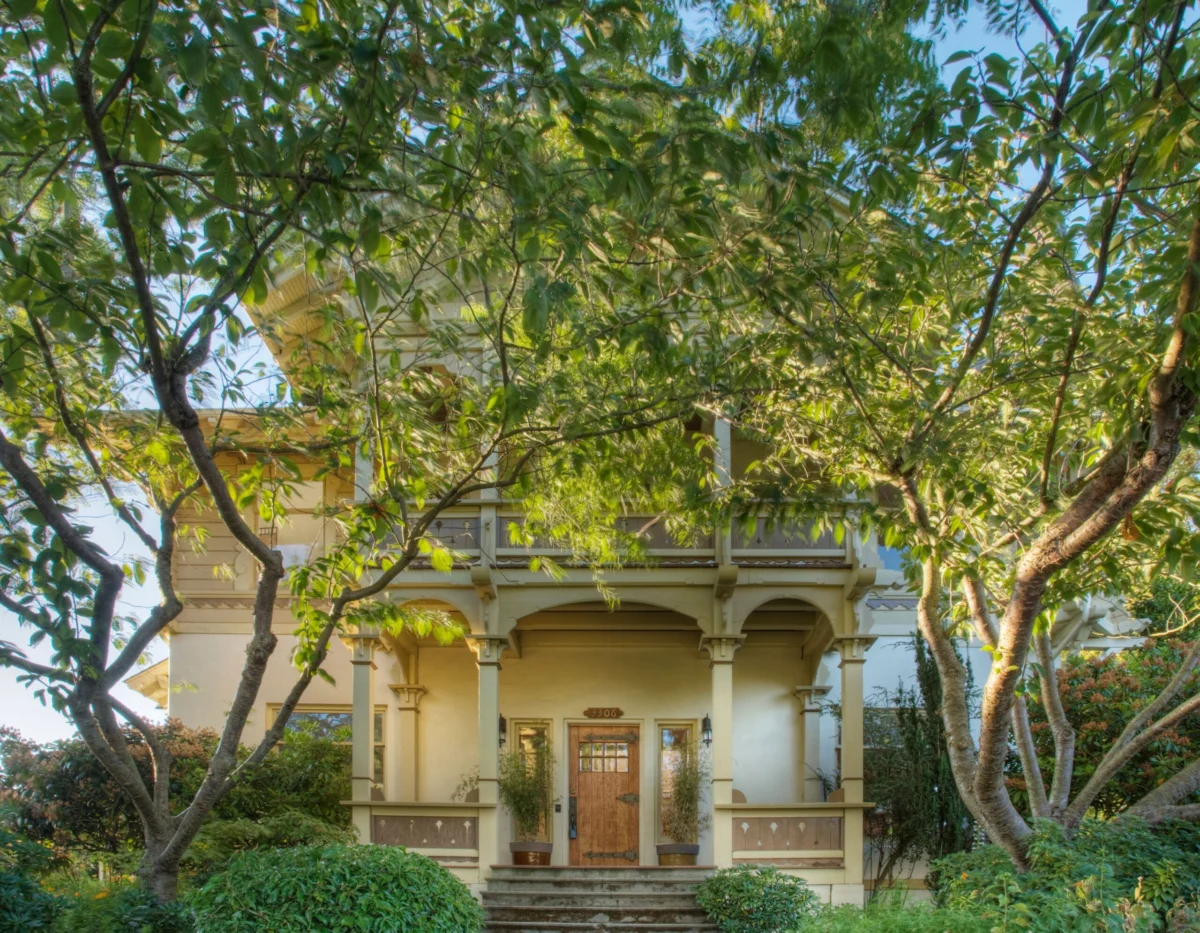
The front porch remains one of the most enduring symbols of American residential architecture, serving as a critical transition zone between the private sanctuary of the home and the public sphere of the neighborhood. As homeowners increasingly prioritize outdoor living spaces, the design, styling, and structural integrity of the front porch have moved to the forefront of architectural discourse. Modern design professionals are now viewing these spaces not merely as entryways, but as sophisticated outdoor rooms that require the same level of intentionality as interior renovations. From the expansive wraparound structures of the Victorian era to the minimalist porticos of contemporary urban dwellings, the front porch continues to adapt to the changing needs of the modern inhabitant.
Architectural Typologies: Categorizing the Front Porch
The architectural diversity of front porches allows for a wide range of functional and aesthetic applications. According to industry experts, identifying the specific style of a porch is the first step in any successful design or renovation project.
One of the most prominent styles is the open porch, frequently referred to in rural and suburban contexts as a farmer’s porch. These structures are characterized by their robust ground support and their ability to span the entire front facade or wrap around the sides of a residence. Mauck Smith, co-owner and designer at BLDC Design in Shaker Heights, Ohio, notes that these porches often feature a broad opening to the surrounding green space. While they can be elevated, they are frequently built close to the ground to foster a sense of connection with the landscape. Interestingly, Smith points out that traditional open porches often lack roofs, though modern iterations frequently include them for added utility.
In contrast, the bungalow porch is a quintessential feature of Craftsman-style architecture. This style acts as a literal extension of the home’s footprint, typically supported by heavy columns and finished with a permanent roof or a decorative pergola. For homeowners in humid or insect-prone climates, both open and bungalow porches are frequently modified with screens to create a "bug-free" environment without sacrificing airflow.
For smaller residences or those prioritizing a minimalist aesthetic, the portico and the front entry porch offer streamlined alternatives. A portico is a small, roofed structure specifically designed to shield the main entry point from the elements. While it offers less space for socialization, it provides essential protection for residents and guests during inclement weather. The front entry porch is the most basic iteration, often consisting of a simple concrete slab directly outside the door, providing a clean, durable transition into the home. Finally, the gable roof porch utilizes a triangular structure overhanging the entry, providing both architectural visual interest and superior water shedding capabilities.
Historical Context and the Resurgence of Front-Facing Socialization
The history of the American front porch is a reflection of shifting social norms and technological advancements. During the late 19th and early 20th centuries, the porch was the primary social hub of the home—a place to cool off before the advent of air conditioning and a venue for interacting with neighbors.
However, the mid-20th century saw a decline in porch usage. The rise of the automobile, the television, and central air conditioning drove residents indoors or toward the privacy of the backyard patio. By the 1970s, many new housing developments eliminated the front porch entirely in favor of larger garages.
In the last decade, and particularly following the global pandemic of 2020, there has been a marked resurgence in front porch culture. Data from the National Association of Home Builders (NAHB) indicates that over 60% of new single-family homes now include a front porch. This shift represents a return to "New Urbanism," a design movement that emphasizes walkability and community connectivity. The front porch has once again become a tool for social cohesion, allowing for distanced but meaningful interaction with the local community.
Interior Design Principles Applied to Exterior Spaces
Modern styling techniques for front porches suggest that these areas should be treated as a continuation of the home’s interior design language. Jennifer Hunter, owner of Jennifer Hunter Design, emphasizes that a front porch should be a space to be "savored." She advocates for the creation of intentional seating areas using chairs and side tables, which not only facilitates socialization but also enhances the home’s "curb appeal" and perceived value.
When selecting materials for these spaces, durability is the primary concern. Mauck Smith advises homeowners to invest in woods, metals, and fabrics that are specifically engineered to be waterproof and fade-resistant. The goal is to achieve an "indoor feel" through outdoor-grade materials. This includes moving away from stereotypical "outdoor" signage and instead utilizing sophisticated decorative elements such as lanterns, hurricanes, and potted plant arrangements.
"Be inventive with your styling," suggests Hunter. She recommends grouping collections of plants on coffee tables or using garden stools to hold single ferns. The introduction of candlelight or high-quality outdoor lighting can transform the mood of the porch, allowing the space to remain functional and inviting long after sunset.
Engineering Solutions for Narrow and Compact Porches
In urban environments where square footage is at a premium, decorating a narrow front porch requires creative spatial engineering. Katie Gutierrez, principal interior designer at Errez Design in Miami, suggests a strategy of verticality. "Stop trying to fight the height on a narrow porch and mount whatever you can," Gutierrez says. Her recommendations include the use of steel sconces, slim trellises for climbing plants like jasmine or ivy, and tall, narrow galvanized planters that draw the eye upward without obstructing the walkway.
For seating in cramped quarters, a long, shallow bench placed flush against the wall can maximize floor space while providing ample room for guests. Meeshie Fahmy, founder of Haus of Meeshie in Los Angeles, suggests that vintage wrought-iron bistro sets are ideal for narrow spaces due to their "visual transparency"—they provide utility without making the area feel cluttered.
Lighting also plays a critical role in small-scale porch design. Rainey Richardson, principal of Rainey Richardson Interior Design in Houston, notes that interesting light fixtures are essential when ground real estate is limited. Placing wall sconces on either side of the entrance or installing a statement pendant light can create a focal point that distracts from the narrowness of the space. Additionally, Richardson suggests that using heavy materials like stone or brick instead of traditional siding can add "visual weight" and a sense of permanence to a small porch.
Climate Mitigation and Environmental Resilience
One of the primary functional challenges of a front porch is its exposure to the elements. Architects have developed several strategies to mitigate the impact of wind and rain. Mike Shively, partner at En Masse Architecture and Design in Chicago, advocates for the "layered approach." This involves creating a secondary threshold, such as a vestibule or a recessed entry, which acts as a buffer between the exterior and the interior. This design not only blocks wind-driven rain but also provides a practical "drop zone" for wet umbrellas and shoes, protecting the home’s interior flooring.
Allison Babcock, owner of Allison Babcock Design in Sag Harbor, New York, emphasizes the importance of large overhangs and covered porticos. To further soften the impact of the environment, she recommends slatted wood screens and strategic landscaping. These elements can break the force of the wind while still allowing for natural light and ventilation.
From a color perspective, Gutierrez suggests that choosing the right palette can help a porch age gracefully despite weather exposure. She recommends "weather-friendly" colors like sun-bleached ochre or charcoal, which tend to look better as they develop a patina over time.
Technical Standards and Construction Oversight
The construction of a front porch is a significant structural undertaking that requires adherence to local building codes and safety regulations. Kiril Ratia, founder of Ratia Construction in Chicago, stresses that the process must begin with thorough research into municipal requirements for permitted structural work.
The typical construction chronology for a front porch involves:
- Site Assessment and Permitting: Ensuring the ground is stable and the design meets local zoning laws.
- Foundation Installation: Setting deep piers or a concrete slab to support the weight of the structure.
- Framing: Constructing the skeletal system of the floor and roof.
- Roofing and Siding: Integrating the porch with the existing home’s exterior.
- Finishing: Installing flooring, railings, and electrical fixtures.
Ratia warns that building a porch is not a project for the novice DIY enthusiast. "When it comes to structural work, there is a reason why architects and structural engineers need to be consulted," he states. Improperly anchored porches can lead to structural failure, especially in regions prone to heavy snow loads or high winds.
Broader Impact: The Porch as a Real Estate Asset
Beyond its social and aesthetic benefits, the front porch serves as a significant driver of property value. Real estate analytics suggest that homes with well-maintained, functional front porches sell faster and at higher price points than those without. In a market where "outdoor living" is a top priority for buyers, a porch acts as a high-yield investment.
Furthermore, the porch contributes to the "eyes on the street" philosophy of urban planning. By encouraging residents to spend time at the front of their homes, porches increase natural surveillance, which has been shown to improve neighborhood safety and foster a stronger sense of community.
As architectural trends continue to evolve, the front porch remains a versatile and vital component of the home. Whether through the lens of historical preservation or modern innovation, the integration of thoughtful design, durable materials, and structural integrity ensures that the porch will remain a cherished feature of the residential landscape for generations to come.