Nila Kartika Wati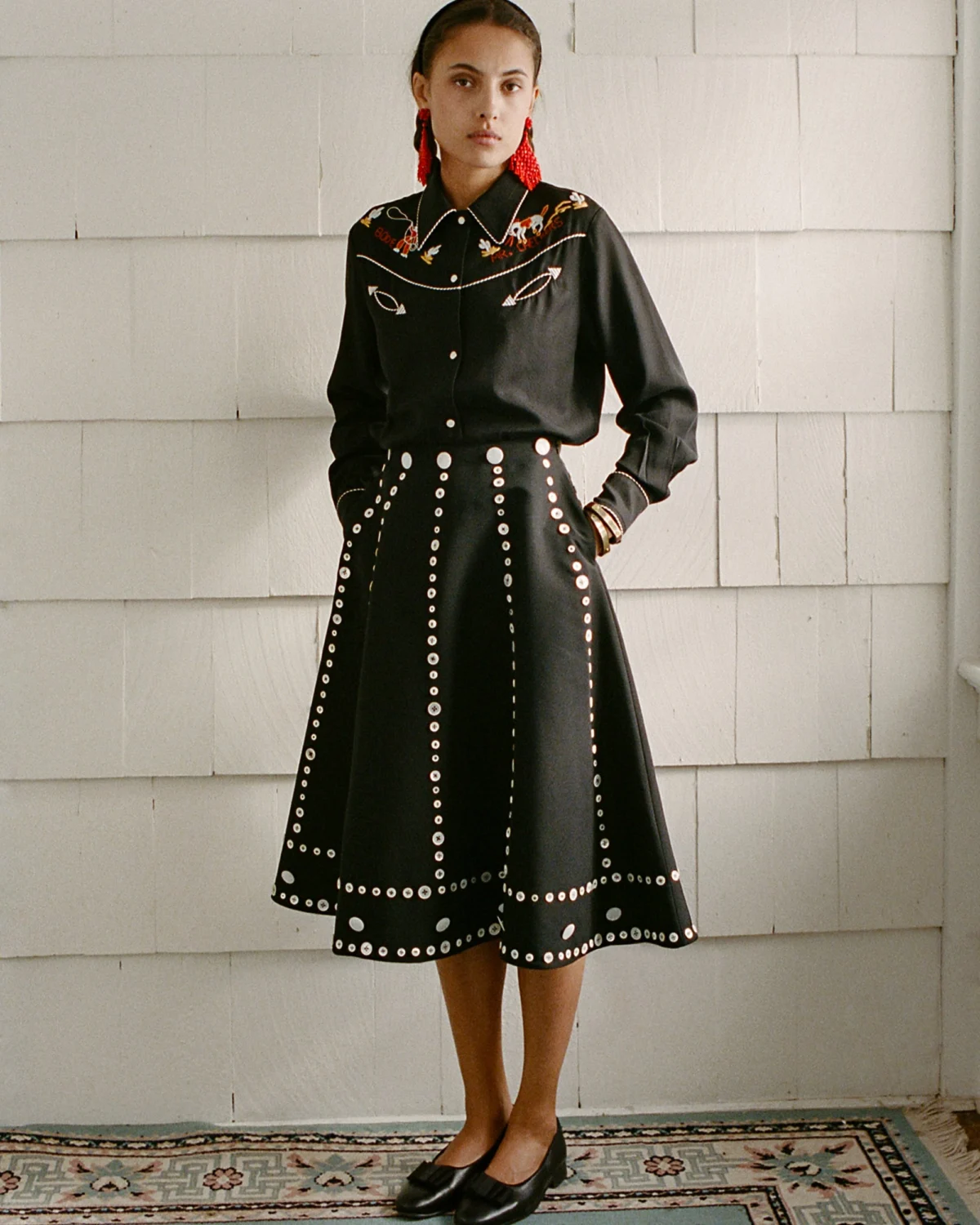
The enduring appeal of Americana in fashion, characterized by iconic silhouettes like cowboy boots, robust workwear, and the timeless elegance of traditional Ivy League prep, is experiencing a significant revival. This trend has demonstrably benefited heritage brands such as Ralph Lauren, which have consistently championed these sartorial touchstones. However, as the United States approaches its 250th anniversary, this resurgence of nationalistic fashion symbols is occurring against a backdrop of profound internal political polarization and a complex, often contested, global perception of American identity. The convergence of these forces is highlighting the increasing difficulty in divorcing national symbolism from its often divisive political connotations, presenting a unique paradox for the fashion industry and for the nation itself.
The Enduring Allure of American Heritage
Americana, as a fashion aesthetic, draws heavily from the nation’s diverse historical narratives and cultural archetypes. The rugged individualism associated with the American West, the utilitarianism born from industrial labor, and the intellectual sophistication of elite academic institutions have all contributed to a rich visual lexicon. This has long been a fertile ground for designers and brands seeking to evoke a sense of heritage, quality, and aspirational lifestyle.
Ralph Lauren, a quintessential American brand, has masterfully leveraged these elements for decades. Their collections frequently feature pieces that directly reference rodeo culture, collegiate sportswear, and classic American sportswear, resonating with consumers both domestically and internationally who seek to connect with an idealized vision of American life. The brand’s consistent success underscores the persistent global fascination with these cultural signifiers. Market analysis from Statista, for instance, has consistently shown strong performance for brands rooted in American heritage, with Ralph Lauren holding a significant market share within the global apparel sector. For example, in 2023, the Ralph Lauren Corporation reported net revenue of $6.7 billion, a testament to the enduring appeal of its brand identity.
Beyond Ralph Lauren, other designers and brands have also embraced and reinterpreted American archetypes. The rise of designers like Emily Bode, whose eponymous brand focuses on artisanal craftsmanship and the repurposing of vintage American textiles, further illustrates this trend. Bode’s collections, often featuring patchwork quilts, hand-stitched denim, and meticulously crafted workwear, tap into a desire for authenticity and a connection to American history, albeit through a more artisanal and nostalgic lens. Her Fall 2026 collection, as depicted in accompanying imagery, showcases a distinct western-inspired aesthetic, blending traditional motifs with contemporary design sensibilities.
A Nation at a Crossroads: The 250th Anniversary Amidst Division
The approaching 250th anniversary of the United States, slated for July 4, 2026, was anticipated to be a moment of national celebration and reflection. This milestone, marking a quarter-millennium of the nation’s founding, typically serves as an occasion to commemorate shared history, values, and achievements. However, contemporary America finds itself grappling with unprecedented levels of political polarization, social division, and a questioning of its foundational ideals.
This internal strife is not confined to political discourse; it permeates cultural expressions, including fashion. The very symbols that once broadly represented American identity are now often viewed through partisan lenses. For instance, symbols associated with the American Revolution or the nation’s westward expansion can be interpreted differently by various political factions, leading to a fracturing of shared meaning. This makes any large-scale national celebration, including those that might inspire fashion trends, inherently more complex.
The diminished reputation of America abroad, a consequence of geopolitical shifts, internal political turmoil, and differing global perspectives on its foreign policy, further complicates the narrative. While American cultural exports, including fashion, have historically held significant global influence, this influence is now being navigated in a more nuanced and sometimes challenging international landscape.
The Paradox of Patriotism in Fashion
The resurgence of Americana in fashion, therefore, presents a fascinating paradox. On one hand, it speaks to a global and domestic desire for familiar, often idealized, representations of American culture. On the other hand, the very act of evoking national identity through fashion is becoming increasingly fraught with political subtext.
For brands, this presents a delicate balancing act. How can they celebrate American heritage without alienating a segment of their consumer base or being perceived as taking a political stance? The risk of misinterpretation is significant. A collection that draws heavily on traditional American imagery, intended to evoke nostalgia and quality, could inadvertently be seen as endorsing a particular political ideology or a romanticized, and perhaps exclusionary, view of American history.
The challenge is exacerbated by the fact that political identities are often deeply intertwined with cultural consumption. In an era where political affiliation can influence purchasing decisions, brands that lean too heavily into nationalistic themes risk alienating consumers who feel excluded or misrepresented by those themes.
Data and Market Trends
While specific real-time data on the direct impact of political polarization on Americana fashion sales is scarce, broader trends in consumer behavior offer insights. Market research consistently highlights the growing importance of brand values and authenticity for consumers. A 2023 report by Accenture, for instance, found that 40% of consumers globally are willing to pay more for sustainable and ethically sourced products, and a significant portion also consider a brand’s stance on social issues. This suggests that consumers are increasingly looking beyond mere aesthetics and are engaging with brands on a deeper, values-driven level.
In the context of Americana, brands that can successfully navigate the complexities of national identity might find success by emphasizing craftsmanship, heritage, and the universal appeal of quality design, rather than overt political messaging. The success of brands like L.L.Bean or Filson, which have long been associated with American outdoor heritage and durability, can be partly attributed to their consistent focus on product quality and functional design, which transcends immediate political trends. Their enduring appeal lies in the inherent value and timelessness of their offerings, rather than explicit nationalistic branding.
Historical Precedents and Evolving Narratives
The use of national symbols in fashion is not a new phenomenon. Throughout history, clothing has been employed to signify national allegiance, pride, and identity. During times of war or nationalistic fervor, patriotic symbols often become more prominent in fashion. However, the current era of hyper-partisanship and the 24/7 news cycle amplify the speed and intensity with which such symbols can become politicized.
The narrative of America itself is also evolving. The traditional, often monolithic, representation of American identity is being challenged by more diverse and inclusive perspectives. This means that any attempt to define or celebrate "Americana" must now contend with a multiplicity of experiences and histories. Fashion that aims to capture the essence of America needs to be mindful of this evolving understanding, potentially by embracing a broader spectrum of cultural influences and narratives that constitute the modern American experience.
Broader Impact and Future Implications
The trend of Americana in fashion, set against the backdrop of America’s 250th anniversary and its internal divisions, has several broader implications:
- Brand Strategy: Fashion brands will need to be increasingly sophisticated in their marketing and product development. A nuanced approach that acknowledges the complexities of national identity, perhaps focusing on craftsmanship, historical narratives without overt political framing, and universal themes of quality and aspiration, may prove more successful.
- Consumer Engagement: Consumers are likely to become more discerning, scrutinizing brands for authenticity and their alignment with personal values. Brands that can foster a sense of inclusivity and genuine connection to American heritage, rather than simply capitalizing on a trend, may build stronger loyalty.
- Cultural Discourse: The fashion industry, as a significant cultural influencer, will play a role in shaping the ongoing conversation about national identity. The choices made by designers and brands can either reinforce divisions or contribute to a more inclusive and nuanced understanding of what it means to be American.
- Economic Impact: While specific data is limited, the continued popularity of Americana can have a tangible economic impact, supporting heritage brands, artisans, and the manufacturing sectors associated with these styles. However, the potential for political backlash could also lead to boycotts or decreased sales for brands perceived as misstepping.
As the United States approaches its 250th anniversary, the resurgence of Americana in fashion serves as a potent reminder of the intricate relationship between national identity, cultural expression, and political realities. The challenge for the fashion world, and for America itself, will be to find ways to celebrate heritage and identity in a manner that is both inclusive and unifying, navigating the currents of polarization with thoughtful design and authentic storytelling. The enduring appeal of American style may continue, but its meaning and reception will undoubtedly be shaped by the nation’s ongoing journey of self-definition.