Prabowo Widodo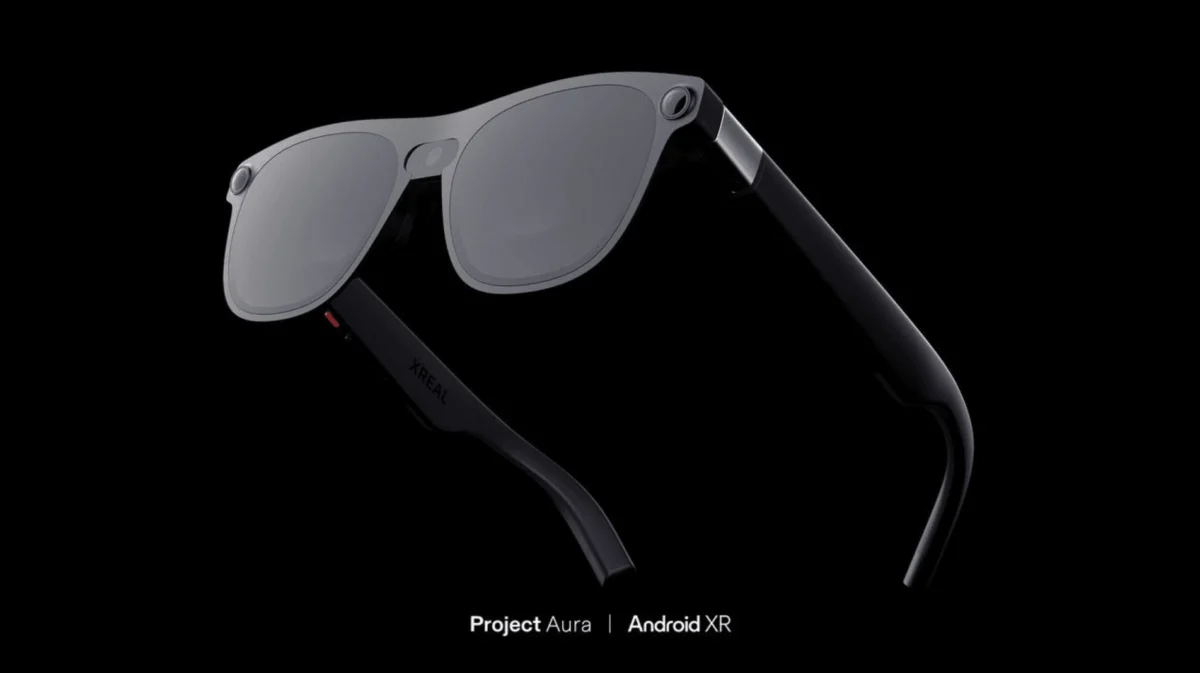
The smart glasses industry has long been a tortured dream of Silicon Valley, a technological frontier perpetually on the cusp of revolutionizing human-computer interaction, yet consistently mired in challenges that have relegated it to the realm of speculative fiction rather than mainstream adoption. The foundational premise is undeniably compelling: imagine a world where the benefits of mobile computing are seamlessly integrated into daily life, freeing individuals from the perpetual tether of staring at a smartphone screen, instead offering a lightweight, intuitive device worn on the face. This vision, deeply rooted in the lore of science fiction, resonates powerfully within the tech industry, drawing immense investment and innovative minds. However, for much of the last decade, this sector has more closely resembled a financial black hole, absorbing gargantuan investments from tech giants and startups alike, with little to no substantial profit emerging.
Chi Xu, the founder and CEO of smart glasses company Xreal, a long-standing partner of Google, articulates this struggle candidly: "Everybody’s losing money." Speaking at Google’s I/O conference in Mountain View, Xu was promoting Project Aura, Xreal’s latest endeavor to forge a set of functional extended reality (XR) glasses that consumers will genuinely desire and use. His blunt assessment underscores the formidable technical and market hurdles. "That’s because it’s very hard, what we’re doing," he emphasized, highlighting the complexity inherent in miniaturizing advanced computing and display technologies into a socially acceptable and comfortable form factor.
The Historical Weight of Unfulfilled Promises
The journey of smart glasses has been fraught with well-documented failures and missteps. Early iterations often suffered from a combination of bulky, aesthetically unappealing designs, prohibitive costs, and a glaring lack of truly beneficial software applications. These issues contributed to significant public and media backlash, epitomized by the short-lived trajectory of Google Glass in the early 2010s. Launched with much fanfare, Google Glass quickly became a symbol of technological overreach, facing criticism over privacy concerns (due to its integrated camera), social awkwardness, and a perceived absence of compelling use cases beyond novelty. Users were often derided as "Glassholes," and the device failed to move beyond a niche developer audience.
Following Google Glass, other ambitious projects emerged, such as Magic Leap, which raised billions in funding with promises of revolutionary augmented reality experiences. However, after years of development, its initial product, the Magic Leap 1, was met with lukewarm reception, criticized for its high price, limited field of view, and cumbersome design, failing to deliver on its grander visions. These historical precedents created a pervasive skepticism around the viability of smart glasses, painting them as a perpetual "next big thing" that never quite arrived.
A Shifting Landscape: The Inflection Point Narrative
Despite the turbulent past, a palpable shift in industry sentiment suggests that the smart glasses sector may finally be reaching an inflection point. Insiders, including Xu, now express a cautious optimism that the fundamental problems – form factor, comfort, and software utility – are being systematically addressed. This renewed hope is largely attributed to recent advancements and strategic partnerships that have begun to chip away at the long-standing barriers to mass adoption.
A significant catalyst for this shift has been Meta’s strategic foray into the market. Their 2023 partnership with Ray-Ban, a titan in eyewear fashion, launched a line of smart glasses that has achieved notable commercial success in terms of unit sales. By integrating discreet cameras, microphones, and speakers into stylish Ray-Ban frames, Meta managed to create a product that bypassed many of the aesthetic and social stigmas associated with previous smart glasses. While these devices offer a more limited feature set compared to full-blown AR glasses, focusing primarily on hands-free photo/video capture, audio playback, and communication, their design-first approach resonated with a broader consumer base. It is crucial to acknowledge, however, that Meta’s Reality Labs division, responsible for these glasses and its broader AR/VR initiatives, continues to operate at a massive loss, reporting billions in quarterly expenditures. This underscores that while unit sales may be rising, the path to profitability for sophisticated AR/VR hardware remains incredibly challenging.
Xreal’s Project Aura: A Bold Step Forward
Against this backdrop of cautious optimism and evolving market dynamics, Xreal is positioning itself to become a leader in the space. Chi Xu believes that the convergence of critical elements – robust hardware, a mature operating system, and an intuitive user interface – is finally within reach. "You need all the key pieces ready – you need the hardware ready, the operating system needs to be ready, and then you need a great user interface," Xu stated, outlining the holistic approach necessary for success.
Xreal’s newest flagship model, Project Aura, embodies this philosophy. These wired smart glasses feature embedded OLED displays, delivering high-resolution video directly within the user’s field of vision. The display technology itself represents a significant leap, offering vibrant colors and deep blacks crucial for an immersive visual experience. A notable design choice, however, is the "puck" – a phone-shaped mini-computer that tethers to the glasses, providing the necessary processing power and battery life. While this tether introduces a degree of awkwardness, requiring the user to carry an additional device, Xreal argues that the trade-off is justified by the enhanced capabilities it unlocks. The puck, ostensibly designed to slip into a pocket, offloads the computational burden from the glasses themselves, allowing for a lighter, more comfortable head-mounted unit.
This design decision reflects a pragmatic understanding of current technological limitations. Miniaturizing powerful processors, large batteries, and complex optical systems into a lightweight frame without generating excessive heat or bulk remains a significant engineering challenge. By externalizing the compute unit, Xreal can focus on optimizing the display and sensor package within the glasses, offering a wider variety of compelling experiences that would otherwise be impossible with fully self-contained units at this stage of development.
Revolutionizing Interaction: Use Cases and Features
Project Aura promises a diverse range of applications that extend beyond mere entertainment. Users can enjoy immersive experiences such as a dynamic Google Maps app, where navigational directions overlay the real world, and VR YouTube videos, transforming any environment into a private cinema. A particularly innovative feature is the "painting app," which leverages advanced hand tracking capabilities to allow users to create holographic imagery visible only to them, fostering new avenues for digital creativity and interaction. The device also reportedly supports playable games via hand tracking and offers basic web surfing functionality, further expanding its utility.
Xreal’s vision for Aura is not limited to casual consumers. Xu foresees significant professional applications as well. "It’s not just about watching the NBA game in a hologram type of format, you could also go to a coffee shop and do some work," he explained. The company highlights use cases such as following a floating recipe while cooking, establishing a private virtual workspace in public settings like coffee shops or during flights, or enjoying a movie on a virtual big screen at home. The promise is a "seamless" experience, integrating digital information and entertainment into the physical world without disrupting natural interaction.
The Road to Commercialization and Profitability
Currently, Project Aura is available primarily for developers, a strategic move to build an ecosystem of applications and gather feedback before a broader commercial release. The company’s plan is to launch commercially later this year, aiming to capitalize on the growing interest in XR technologies. Concurrently, Xreal is working towards an initial public offering (IPO), which Xu anticipates will take place before the end of 2026, though he refrained from disclosing further details.
The transition from a high-potential startup to a profitable public company is a critical hurdle for Xreal, mirroring the broader industry’s struggle to monetize its significant investments. Chi Xu acknowledges this challenge, noting that Xreal has been diligently working to improve its financial health by increasing gross margins and streamlining costs related to marketing and sales. "Next year is the year when we could actually break even," he stated, projecting a potential turning point for the company’s financial sustainability. This forecast, if realized, would mark a significant milestone in an industry where profitability has remained largely elusive.
Broader Implications and Future Outlook
The trajectory of companies like Xreal, and the smart glasses industry as a whole, holds profound implications for the future of mobile computing and human-computer interaction. A successful integration of smart glasses into daily life could fundamentally alter how we consume information, communicate, work, and entertain ourselves. Imagine a world where critical data overlays are available on demand, professional tasks are augmented with real-time holographic instructions, and remote collaboration feels as natural as in-person meetings.
However, significant challenges persist. Beyond the technical hurdles of battery life, processing power, and display quality, issues such as data privacy, ethical considerations of constant recording, and the potential for digital distraction remain at the forefront. The ecosystem of applications must also mature significantly, moving beyond novelty to provide genuinely indispensable tools and experiences. Furthermore, the competitive landscape is intensifying, with tech giants like Apple reportedly developing their own sophisticated AR glasses, potentially setting the stage for a new wave of innovation and competition.
The journey of smart glasses from a Silicon Valley dream to a tangible, profitable reality is far from over. Yet, with advancements in display technology, more refined form factors, and strategic design choices like Xreal’s tethered puck, the industry appears to be shedding its "tortured" past. As companies like Xreal navigate the complex interplay of innovation, market adoption, and financial viability, the promise of truly ubiquitous and seamless mobile computing, worn discreetly on our faces, seems closer than ever before. The coming years will be crucial in determining whether this long-held vision finally steps out of science fiction and into the mainstream.