
 Reynand Wu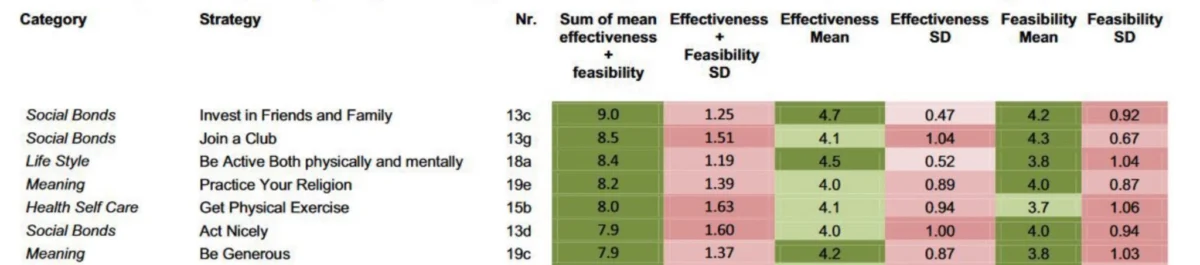
As the new year unfolded amidst a renewed surge in COVID-19 cases across the nation, driven largely by the highly transmissible Omicron variant in late 2021 and early 2022, a palpable sense of weariness and despondency permeated public discourse. This challenging period coincided with the release of new data from the venerable General Social Survey (GSS), which starkly illuminated a concerning continuation of a trend observed earlier in the pandemic: a significant decline in self-reported happiness among Americans. This confluence of public health crisis and a deteriorating national mood underscores the urgent need to understand the underlying drivers of well-being and identify effective pathways toward collective resilience, a quest that increasingly points towards the profound importance of social relationships.
The Unfolding Crisis: Pandemic’s Impact on National Sentiment
The COVID-19 pandemic, which began its global sweep in early 2020, rapidly reshaped nearly every facet of human existence, from public health and economic stability to social interaction and mental well-being. Early indicators, such as those picked up by various surveys in mid-2020, already hinted at a noticeable dip in public morale. As initial lockdowns gave way to evolving restrictions and persistent anxieties, researchers noted a consistent decline in individuals reporting themselves as "very happy." This initial observation, though concerning, was largely understood as a direct response to the unprecedented disruptions and uncertainties of the early pandemic phase.
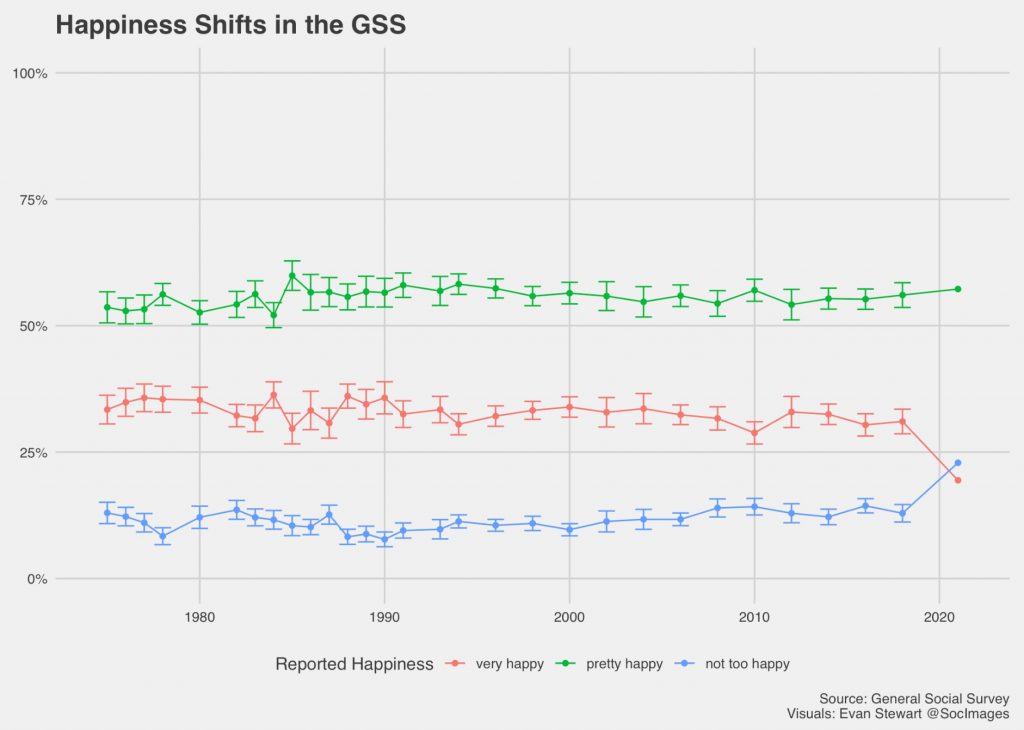
However, the recently released data from the General Social Survey for 2021 provides a more enduring and sobering confirmation of this trend. The GSS, a biennial survey conducted by the National Opinion Research Center (NORC) at the University of Chicago since 1972, is one of the most comprehensive long-running sociological surveys in the United States, meticulously tracking social trends, attitudes, and behaviors across generations. Its findings are particularly robust due to its consistent methodology and broad scope. The 2021 data revealed that the proportion of Americans reporting to be "very happy" continued its downward trajectory, while conversely, the percentage of those identifying as "not too happy" saw a corresponding spike. This pattern, consistent with NORC’s previous pandemic tracking surveys, suggests that the erosion of national happiness is not a transient blip but a more entrenched phenomenon with potential long-term implications.
Understanding the Data: GSS Methodology and Context
The General Social Survey employs a direct question to gauge happiness: "Taken all together, how would you say things are these days – would you say that you are very happy, pretty happy, or not too happy?" For decades, the responses to this simple yet powerful query have offered invaluable insights into the nation’s psychological pulse. Historically, the percentage of Americans reporting "very happy" has fluctuated but maintained a relatively stable baseline. The sharp decline observed since 2020, therefore, represents a significant deviation from historical norms.
It is important to acknowledge that the 2021 GSS administration introduced a methodological shift, moving partially to an online format alongside traditional in-person interviews. While such changes can sometimes influence survey responses, NORC has taken measures to ensure data comparability, and the consistency of the observed happiness decline with other concurrent tracking surveys lends credibility to the finding. Moreover, the GSS data aligns with other global happiness reports, such as the World Happiness Report, which also documented significant drops in life satisfaction in many countries during the pandemic, attributable to factors ranging from health crises and economic downturns to heightened social isolation and political polarization.
The implications of this sustained decline in self-reported happiness extend far beyond individual emotional states. A nation whose citizens report lower levels of happiness and life satisfaction faces potential challenges in areas such as public health outcomes, economic productivity, social cohesion, and even democratic participation. Mental health experts have widely reported an increase in anxiety, depression, and stress-related conditions since the pandemic’s onset, further corroborating the GSS findings and emphasizing the societal cost of prolonged distress.
Seeking Solutions: The Expert Consensus Study
In light of these concerning trends, a critical question emerges: how can society effectively bolster well-being in challenging times? This question has become particularly pertinent for fields like sociology, which grapple with understanding and addressing societal problems. Amidst this backdrop, a specific study, widely circulated and discussed among academics, has offered a hopeful and insightful direction. Published in Social Indicators Research by authors including Jennifer A. Frey, the research sought to identify the most effective strategies for increasing life satisfaction by surveying experts in the burgeoning field of happiness research.
The study employed a sophisticated methodology, often involving a Delphi-like process, where a panel of experts — typically comprising psychologists, sociologists, economists, and public health specialists specializing in well-being — were interviewed and surveyed to rank interventions most likely to enhance life satisfaction. Their rankings were based on their comprehensive understanding of the existing research literature, aiming to distill conventional wisdom into actionable insights. Two pivotal aspects of this expert consensus study particularly captured attention and offer crucial guidance for policymakers and individuals alike.
Beyond the Individual: Policy and Collective Well-being
The first significant takeaway from the expert consensus study was its deliberate inclusion of both personal solutions and policy solutions aimed at improving life satisfaction. This distinction is profoundly important. In many Western societies, the discourse around happiness is heavily individualized, often promoted by a vast self-help industry that emphasizes personal effort, mindset shifts, and individual choices as the primary determinants of well-being. While personal agency is undoubtedly a component of happiness, this individualistic framing frequently overlooks the powerful systemic and collective forces that shape human experience.
The experts surveyed recognized that true well-being is not solely an individual endeavor but is deeply intertwined with the broader social and structural environment. Consequently, their top-ranked solutions included not only personal behavioral changes but also large-scale policy interventions. This emphasis on policy reminds us that an individual’s ability to thrive is inextricably linked to the collective well-being of their community and society. Policies addressing economic inequality, access to healthcare, education, safe environments, and social support systems can have a profound impact on the life satisfaction of millions, often far exceeding the reach of individual self-help strategies. This dual approach signifies a maturation in happiness research, acknowledging the complex interplay between micro-level experiences and macro-level structures.
The Power of Social Bonds: A Core Finding
The second, and perhaps most compelling, finding from the expert consensus study was the overwhelming emphasis on social relationships as a primary driver of life satisfaction. Across both personal and policy categories, interventions centered on fostering and strengthening social bonds consistently ranked at the top of experts’ lists.
For personal solutions, two of the most highly rated suggestions were "investing in friends and family" and "joining a club or community group." These recommendations highlight the proactive role individuals can play in cultivating their social networks, dedicating time and energy to nurturing existing relationships, and forging new connections through shared interests and collective activities. This isn’t merely about casual acquaintances but about developing deep, meaningful ties that provide emotional support, a sense of belonging, and shared experiences.
On the policy front, the experts’ consensus similarly gravitated towards initiatives that promote social connection. Top policy solutions included "promoting voluntary work or civil service" and "reducing loneliness." These recommendations underscore the role of government and public institutions in creating environments that facilitate social interaction and mitigate isolation. Programs that encourage civic engagement, volunteerism, and community-building initiatives can not only provide individuals with a sense of purpose and contribution but also foster valuable social networks. Addressing loneliness, increasingly recognized as a public health crisis in itself, requires comprehensive strategies, from urban planning that encourages public spaces for interaction to targeted interventions for at-risk populations.
Crucially, the study noted not just high expert ratings for these social bond-centric solutions, but also low standard deviations among the experts’ responses. This indicates a remarkable degree of agreement and consensus within the scientific community regarding the paramount value of social connections for human flourishing. This expert agreement solidifies what many sociologists have long argued: humans are fundamentally social beings, and our well-being is profoundly dependent on the quality and quantity of our relationships.
Broader Implications and Sociological Perspectives
Expert consensus studies, while valuable for distilling current scientific understanding, inherently reflect the prevailing wisdom of a given time and can have certain limitations. They offer a snapshot rather than a definitive, immutable truth. However, the consistent emphasis on social relationships in this particular study holds profound implications, particularly for the field of sociology.
This research reinforces the foundational tenets of sociology, which posits that individual experiences, including happiness and well-being, are deeply embedded within social structures, norms, and relationships. It moves beyond a purely psychological or economic view of happiness, integrating the crucial social dimension. For sociologists, understanding and investing in relationships is not merely a "self-help fad" but a critical area for academic inquiry, policy development, and societal intervention.
The findings highlight the positive stakes of sociological research. By developing a better understanding of how relationships are formed, maintained, and sometimes fractured, and by exploring the societal conditions that either foster or hinder strong social bonds, sociology can offer concrete, evidence-based pathways to enhance collective well-being. This perspective is particularly vital in an era marked by increasing social fragmentation, digital isolation, and political polarization.
Moving Forward: Policy and Community Initiatives
The convergence of declining national happiness and expert consensus on the centrality of social relationships presents a clear mandate for action. Policymakers, community leaders, educators, and individuals all have a role to play in reversing the tide of declining well-being.
At the policy level, this could translate into:
- Investing in Public Spaces: Creating and maintaining parks, community centers, libraries, and other public spaces that encourage casual interaction and community gathering.
- Promoting Civic Engagement: Funding and supporting programs that encourage volunteerism, civic participation, and intergenerational activities.
- Addressing Economic Disparities: Recognizing that economic insecurity can severely strain social relationships and contribute to isolation, policies that foster economic stability can indirectly support social well-being.
- Integrating Social Connection into Healthcare: Recognizing loneliness as a risk factor for various health conditions, healthcare systems could incorporate "social prescribing" or refer patients to community-based social support programs.
- Supporting Families and Caregivers: Policies that support work-life balance, affordable childcare, and elder care can strengthen family bonds, a crucial component of individual happiness.
At the community and individual levels, the implications are equally clear:
- Prioritize Relationships: Consciously allocate time and energy to nurturing friendships and family ties.
- Join and Participate: Actively engage with clubs, organizations, religious groups, or volunteer efforts that align with personal interests.
- Cultivate Empathy and Connection: Practice active listening, offer support to neighbors, and engage in acts of kindness that strengthen community fabric.
- Digital Balance: While digital platforms can connect, prioritize in-person interactions and be mindful of the potential for digital overload or comparison to negatively impact well-being.
The ongoing challenges presented by global health crises and other societal stressors demand a comprehensive approach to well-being. The insights from the GSS data and the expert consensus study serve as a powerful reminder that while individual efforts matter, our collective happiness is fundamentally a social enterprise. By intentionally investing in and strengthening our social relationships, both personally and through thoughtful public policy, we can build more resilient, connected, and ultimately, happier communities to navigate the complexities of the modern world together.








