Danny Garick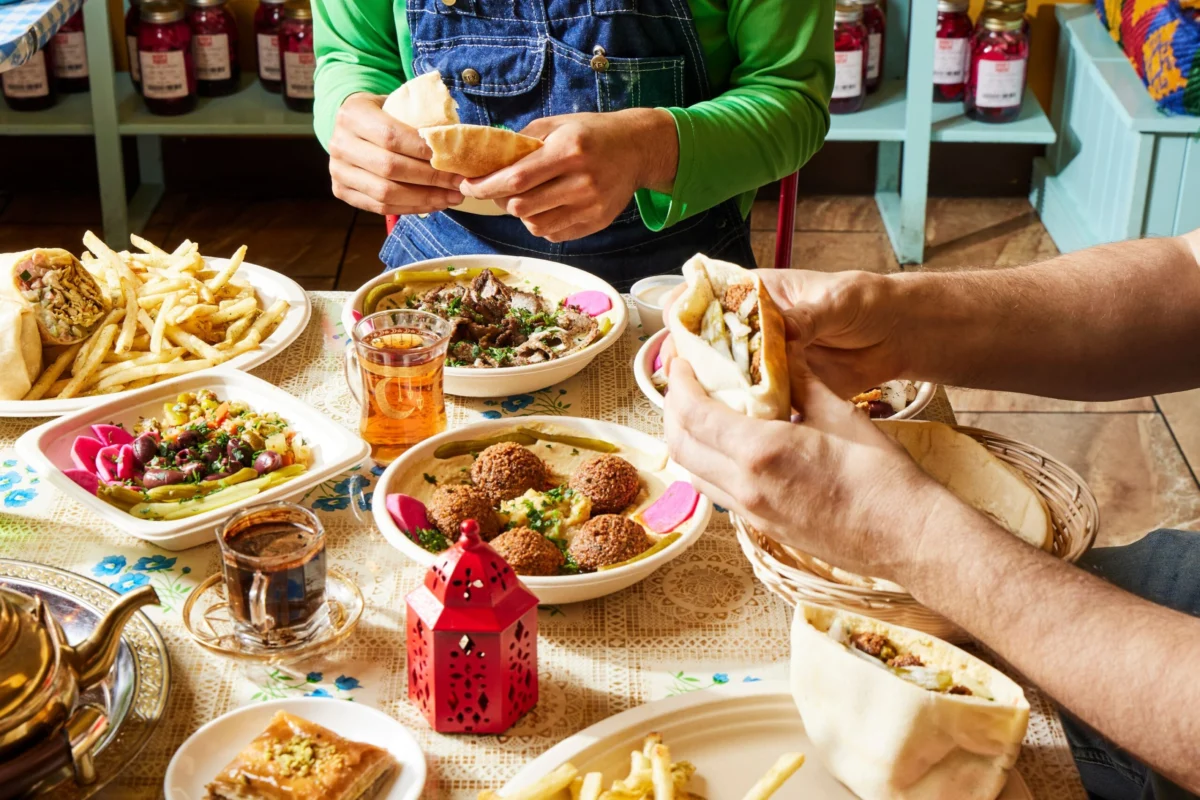
Kansas City, long defined in the global consciousness by the fragrant smoke of its legendary barbecue pits and the soulful notes of its jazz heritage, is undergoing a profound culinary transformation that extends far beyond its traditional borders. Historically referred to as the “Paris of the Plains,” a moniker born during the wide-open Pendergast era of the 1920s and 30s when liquor flowed freely despite Prohibition, the city has matured into a sophisticated Heartland cultural center. While the nickname originally alluded to the city’s vice-fueled nightlife and its sprawling system of boulevards and fountains—second in number only to Rome—it now serves as a testament to a diverse and burgeoning food scene that challenges the Midwestern stereotype of a meat-and-potatoes monoculture.
.jpg)
As the city prepares for a global spotlight as a host for the 2026 FIFA World Cup, the evolution of its dining landscape reflects a broader shift in the American culinary map. Chefs and restaurateurs are increasingly drawn to the "blank page" of the Plains, where lower overhead costs and a lack of rigid coastal expectations allow for high-level experimentation. This environment has fostered a unique ecosystem where scratch-made Italian delis, Palestinian-American cafes, and wood-fired hearth cooking coexist alongside historic steakhouses and century-old diners.
The Historical Evolution of Kansas City Dining
The chronology of Kansas City’s food scene is inextricably linked to its geography and its history as a major logistics hub. Founded at the confluence of the Missouri and Kansas Rivers, the city became the gateway to the West. In the late 19th and early 20th centuries, the Kansas City Stockyards were the second busiest in the nation, trailing only Chicago. This era established the city as a "cowtown," a legacy that persists in its high-end steakhouses and the birth of the "Kansas City Strip" steak.

Following the stockyard boom, the mid-20th century saw the emergence of neighborhood staples that defined the local palate. Establishments like Town Topic (1937) and Kitty’s Cafe (1951) provided affordable, high-quality fare to the city’s growing working class. The latter, founded by Paul and Kitty Kawakami after their release from a Japanese internment camp during World War II, introduced a unique cultural fusion—the tempura-breaded pork tenderloin—that remains a local icon today.
By the late 1990s and early 2000s, the city began to see a rise in international fine dining and "cheffy" concepts. The opening of Le Fou Frog in 1996 brought authentic French bistro culture to the River Market area, proving that Kansas Citians had an appetite for more than just brisket and burnt ends. Today, the city’s culinary map spans two states, with Kansas City, Missouri (KCMO) housing the majority of the fine-dining establishments and Kansas City, Kansas (KCK) offering a rich tapestry of immigrant-led eateries, including the famous "Taco Trail."

Modern Culinary Landmarks and Essential Stops
To understand the modern Kansas City palate, one must look at the restaurants that bridge the gap between traditional Midwestern ingredients and global techniques.
The Antler Room: Modernity and Technique
Located in Midtown, The Antler Room represents the vanguard of the city’s modern dining scene. Led by James Beard-nominated talent, the restaurant focuses on small plates that emphasize texture and multi-layered flavors. The menu is a rotating canvas of seasonal produce, handmade pastas, and globally inspired remixes. Its success signals a shift in local consumer behavior, where diners prioritize creativity and "natural" wine programs over large, singular entrées.

The Town Company: Hearth-Centered Regionalism
Situated within the historic Hotel Kansas City—a building that originally served as the Kansas City Club—The Town Company utilizes a three-tier Missouri oak-fired hearth as its central tool. The restaurant’s philosophy is deeply rooted in the region; every dish, from the smoked pork chops to the carrot-infused bread dips, pays homage to Midwestern agriculture. This approach exemplifies the "New Midwestern" movement, which seeks to elevate local staples through primitive cooking techniques and refined presentation.
The Golden Ox: The Legacy of the Stockyards
For those seeking the historical "cowtown" experience, The Golden Ox remains the definitive destination. Located in the Livestock Exchange Building in the West Bottoms, it is the birthplace of the Kansas City Strip. After a careful restoration, the restaurant maintains its mid-century charm, serving as a museum of the city’s meatpacking past. Its presence serves as a reminder that even as the city innovates, its foundational industries remain a point of pride.

International Influence: Baba’s Pantry and El Pollo Rey
The diversity of the Plains is perhaps best represented by Baba’s Pantry and El Pollo Rey. Baba’s Pantry, a casual Palestinian-American deli, has garnered national acclaim for its sumac-studded falafel and experimental dips that blend Middle Eastern spices with Midwestern dairy. Meanwhile, across the state line in KCK, El Pollo Rey specializes in Sinaloa-style grilled chicken. By using hickory wood for its wood-fired grills, El Pollo Rey bridges the gap between Mexican culinary traditions and Kansas City’s native barbecue techniques.
Supporting Data and Economic Impact
The growth of the Kansas City restaurant industry is supported by significant economic data. According to the National Restaurant Association, Missouri’s restaurant industry was projected to register $16.1 billion in sales in recent years, with a workforce comprising over 10% of the state’s total employment. In Kansas City specifically, the hospitality sector has become a primary driver of urban revitalization, particularly in neighborhoods like the Crossroads Arts District and the West Bottoms.
.jpg)
The "Taco Trail" in Kansas City, Kansas, is another data point illustrating the city’s culinary depth. Featuring nearly 60 taquerias and mercados, the trail has become a major tourism draw, highlighting the significant Hispanic population in Wyandotte County and their contribution to the regional economy.
Furthermore, the selection of Kansas City as a 2026 World Cup host city is expected to generate an economic impact between $160 million and $620 million for the region. Local officials and industry leaders have identified the food and beverage sector as a critical component of the city’s readiness plan, prompting a surge in new openings and infrastructure improvements.
.jpg)
Chronology of Iconic Kansas City Establishments
- 1933: The Peanut opens as a post-Prohibition tavern on Main Street, later becoming famous for its whole-wing buffalo wings.
- 1937: Town Topic begins serving 24/7 diner fare from a small storefront on Broadway Blvd.
- 1949/1950: The Golden Ox establishes itself as the premier steakhouse for the livestock industry.
- 1951: Kitty’s Cafe opens, introducing the tempura-style pork tenderloin.
- 1996: Le Fou Frog opens, ushering in a new era of French fine dining in the River Market.
- 2016: The Antler Room opens, signaling the rise of the "small plate" and natural wine movement in the city.
- 2020: The Town Company opens within the renovated Hotel Kansas City, focusing on hearth-fired Midwestern cuisine.
- 2021: Baba’s Pantry opens, bringing Palestinian-American deli culture to the forefront of the local scene.
Broader Impact and Implications
The evolution of the Kansas City dining scene carries implications that reach far beyond the kitchen. It is a reflection of the city’s changing demographics and its efforts to project a more cosmopolitan image to the world. The shift away from a BBQ-only identity allows the city to compete with other mid-sized cultural hubs like Austin, Nashville, and Minneapolis for talent and tourism.
Professional analysis suggests that the "Paris of the Plains" is no longer just a nostalgic reference to a lawless past but a description of a city that values aesthetic beauty, cultural diversity, and culinary excellence. The success of independent restaurants like The Italian Sausage Co. in Gladstone—which has quickly become a regional benchmark for modern delis—demonstrates that high-quality, artisanal food is no longer confined to the urban core but is permeating the entire metropolitan area.

As Kansas City moves toward 2026, the focus remains on authenticity. Whether it is the 24/7 service at Town Topic or the show-tune-singing waiters at Le Fou Frog, the city’s restaurants offer a level of unpretentious character that is increasingly rare in more commodified markets. For the visitor, this means a culinary landscape that is both historically grounded and restlessly innovative, offering a palate cleanser for every pit stop along the way.