
 Reynand Wu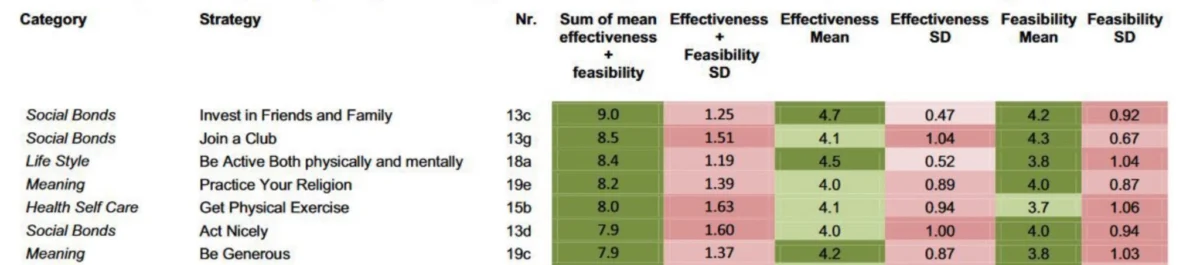
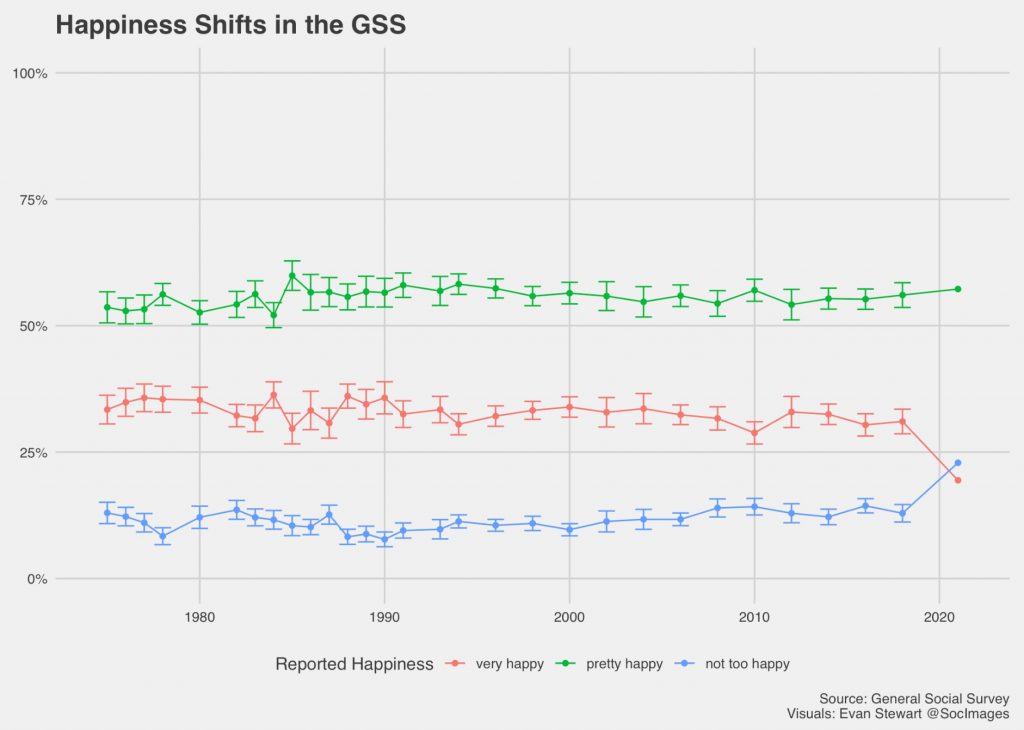
As the new year unfolded, marked by a resurgence of COVID-19 cases across the nation, a palpable sense of weariness settled over the populace. This collective sentiment is not merely anecdotal; it is increasingly reflected in longitudinal studies tracking national well-being. A trend first observed early in the pandemic—a noticeable decline in self-reported happiness—has not only persisted but appears to have deepened, according to the latest data from the General Social Survey (GSS). This continuous downward trajectory in national mood underscores a critical societal challenge that transcends individual coping mechanisms, pointing instead towards a deeper interrogation of collective well-being and the structures that support it.
The Unfolding Crisis of Well-being: A Look at GSS Data
The General Social Survey, administered by the National Opinion Research Center (NORC) at the University of Chicago, stands as one of the most comprehensive and respected sources of information on American attitudes, behaviors, and characteristics. Since 1972, the GSS has periodically interviewed a representative sample of adults, providing invaluable insights into societal shifts over decades. Its consistent methodology has made it a benchmark for tracking trends in various aspects of American life, including happiness.
During the initial phases of the COVID-19 pandemic in 2020, preliminary GSS data and other surveys began to register a marked decrease in the proportion of Americans reporting themselves as "very happy." This was a significant departure from pre-pandemic levels, which, while fluctuating, had maintained a relatively stable baseline over many years. The recently released GSS data for 2021 indicates that this downturn is not a temporary blip but a sustained trend. The percentage of individuals identifying as "very happy" continued its decline, while conversely, the proportion reporting themselves as "not too happy" saw a corresponding increase.
This observed shift, while potentially influenced by the GSS’s recent adoption of an online administration method for some respondents—a change that could introduce subtle biases—is largely consistent with findings from NORC’s previous pandemic tracking surveys. This corroboration strengthens the validity of the GSS results, suggesting that the statistical dip reflects a genuine decline in overall life satisfaction rather than a mere artifact of survey methodology. The GSS data, therefore, serves as a stark barometer of the nation’s psychological health, signaling a pervasive struggle with contentment and optimism amidst ongoing public health crises and their myriad socio-economic repercussions.
A Chronology of Discontent: The Pandemic’s Grip on Public Mood
The timeline of declining happiness closely mirrors the ebb and flow of the COVID-19 pandemic itself. When the novel coronavirus first emerged in late 2019 and rapidly escalated into a global pandemic by early 2020, societies worldwide were plunged into unprecedented uncertainty. Initial lockdowns, widespread illness, a burgeoning death toll, and severe economic disruption created a climate of fear, anxiety, and isolation. Mental health professionals and public health officials almost immediately began to warn of a parallel mental health crisis unfolding alongside the viral outbreak.
Early 2020: The initial shock of the pandemic. Lockdowns, business closures, and widespread fear. Surveys begin to show initial dips in mood and spikes in anxiety and depression. The World Health Organization (WHO) and various national health bodies highlight the psychological toll of isolation and uncertainty.
Late 2020: The prolonged nature of the pandemic sets in. "Zoom fatigue" and chronic stress become common. Political polarization around public health measures adds to societal strain. Self-reported happiness starts to show more significant, sustained declines as the novelty of the situation wears off and its long-term implications become clearer.
Early to Mid-2021: The rollout of vaccines brings a wave of hope, but new variants (like Delta) emerge, leading to renewed waves of infection and hospitalizations. The promise of a swift return to normalcy recedes. Economic recovery remains uneven, and supply chain issues contribute to inflationary pressures. It is during this period that the GSS data for 2021 was collected, capturing a population grappling with dashed hopes and persistent challenges. The "new peak" in cases mentioned in the original context likely refers to the Omicron wave that swept through towards the end of 2021 and into early 2022, further exacerbating the sense of fatigue and despair.
Late 2021 and Beyond: The pandemic transitions into an endemic phase, but its lingering effects on mental health, social cohesion, and economic stability continue to impact well-being. The sustained nature of the happiness decline, as evidenced by the GSS, underscores that these are not transient responses but potentially deeper societal shifts.
This chronological overview illustrates how the relentless pressures of the pandemic—from health anxieties and grief to economic precarity and enforced social distancing—have cumulatively eroded the nation’s collective sense of well-being.
Sociology’s Lens: Understanding Collective Well-being
The discipline of sociology offers a crucial framework for understanding these trends, moving beyond individual psychology to examine the broader social forces shaping happiness and distress. For academics like Evan Stewart, an assistant professor of sociology at the University of Massachusetts Boston, these data points are not just statistics but urgent calls for scholarly inquiry and practical application. As Stewart noted, when teaching introductory sociology, it becomes imperative to address how the field can contribute meaningfully to global challenges, especially during tough times. New students, contemplating a major in sociology, rightfully question the discipline’s utility in improving the world.
This perspective challenges the prevailing narrative that often frames happiness as solely an individual pursuit, heavily influenced by personal choices, resilience, or the consumption of self-help products. While individual agency plays a role, sociological inquiry emphasizes that personal well-being is inextricably linked to collective well-being. Social structures, policies, community resources, and the quality of social relationships are powerful determinants of individual happiness, often outweighing purely personal efforts. This holistic view is vital for developing effective interventions, moving beyond superficial fixes to address root causes of discontent.
Expert Consensus: The Power of Social Bonds
In this context, a study that recently garnered significant attention on social media platforms, including Twitter, offered a particularly hopeful direction. Published in the journal Social Indicators Research in 2019, but gaining renewed relevance amidst the pandemic’s prolonged impact, this study employed a Delphi method, conducting interviews and surveys with a diverse panel of experts in the field of happiness research. The objective was to rank interventions most likely to enhance life satisfaction, based on the experts’ comprehensive understanding of the existing research literature. Two key findings from this expert consensus stood out prominently.
First, the study transcended the typical individual-centric focus by identifying both personal solutions and policy solutions for improving life satisfaction. This distinction is profoundly important. The pervasive "self-help" industry often promotes the idea that happiness is an internal state achievable through individual effort, meditation, positive thinking, or lifestyle adjustments. While these personal strategies can be beneficial, they frequently overlook the systemic and structural barriers to well-being. By explicitly including policy solutions, the expert panel underscored that governments, communities, and institutions have a critical role to play in fostering an environment conducive to widespread happiness. This reinforces the sociological premise that individual well-being is deeply intertwined with collective well-being and the societal conditions that enable or impede it.
Second, and perhaps most strikingly, many of the top-ranked solutions—across both personal and policy categories—were explicitly centered on social relationships. The experts reached a strong consensus that investing in and nurturing social bonds is paramount.
Personal Solutions: Nurturing Individual Connections
For individual-level interventions, two of the highest-ranked suggestions were:
- Investing in friends and family: This involves actively dedicating time, effort, and emotional energy to cultivate strong, supportive relationships with loved ones. It highlights the protective role of close personal ties against stress, loneliness, and mental health challenges. These relationships provide emotional support, a sense of belonging, and practical assistance, all of which are crucial for navigating life’s difficulties.
- Joining a club or group: This recommendation emphasizes the importance of broader community engagement and finding affinity groups. Whether it’s a hobby club, a sports team, a religious congregation, or a volunteer organization, these groups offer opportunities for shared experiences, mutual support, and a sense of collective identity, combating social isolation and fostering a sense of purpose.
The high ratings for these suggestions, coupled with low standard deviations among expert responses, indicated a remarkable degree of agreement among happiness researchers about the fundamental value of social connections in personal life satisfaction.
Policy Solutions: Building Community Resilience
On the policy front, the expert consensus also heavily leaned into the realm of social connections. Top-ranked policy suggestions included:
- Promoting voluntary work or civil service: Encouraging citizens to engage in volunteer activities or civil service initiatives strengthens community bonds, fosters altruism, and provides individuals with a sense of purpose and contribution. These programs often create robust social networks and enhance civic engagement, benefiting both the individual volunteer and the broader community.
- Reducing loneliness: This is a direct acknowledgment of a growing public health concern, especially exacerbated by the pandemic. Policy interventions aimed at reducing loneliness could include funding for community centers, support groups, intergenerational programs, and initiatives to connect vulnerable populations. Addressing loneliness at a systemic level recognizes its profound impact on mental and physical health, making it a legitimate target for public policy.
The alignment between personal and policy solutions on the centrality of social relationships is a powerful testament to their perceived importance by those who study happiness most rigorously.
Supporting Data and Broader Context
The findings of this expert consensus study are corroborated by a wealth of other research and data. For instance, numerous epidemiological studies have linked social isolation and loneliness to increased risks of premature mortality, heart disease, stroke, dementia, and depression. The U.S. Centers for Disease Control and Prevention (CDC) reported a significant increase in symptoms of anxiety and depressive disorder during the pandemic, particularly among young adults and individuals with pre-existing mental health conditions. Surveys by organizations like the Kaiser Family Foundation also highlighted the widespread mental health impact of the pandemic, with many Americans reporting increased stress, sleep difficulties, and substance use.
Beyond the immediate health crisis, economic insecurity and societal inequality have also played a role in the erosion of happiness. Studies have consistently shown that while wealth beyond a certain threshold does not significantly increase happiness, basic economic security and a fair distribution of resources do contribute to overall well-being. The pandemic’s disproportionate impact on marginalized communities further exacerbated existing inequalities, creating additional stressors that undermine happiness for large segments of the population. The decline in social trust, another metric tracked by surveys, also contributes to a sense of unease and disconnect, making collective action and shared well-being more challenging.
Implications for Public Policy and Societal Health
The insights gleaned from both the GSS data and the expert consensus study carry profound implications for public policy and societal health. They serve as a critical reminder that happiness is not merely a private affair but a public good, influenced by the environments and relationships we inhabit.
Firstly, policymakers should view investments in social infrastructure with the same gravity as investments in physical infrastructure. This includes funding for community centers, parks, libraries, public spaces that encourage interaction, and programs that foster civic engagement and volunteerism. Initiatives that support families, provide affordable childcare, and create opportunities for intergenerational connections can all contribute to a stronger social fabric.
Secondly, public health campaigns should extend beyond physical health to explicitly address mental well-being and the cultivation of social bonds. Reducing loneliness and promoting social inclusion should become stated public health priorities, with measurable outcomes and dedicated resources. This could involve partnerships between health organizations, local governments, and community groups to create programs designed to connect people.
Finally, the education system, from early childhood to higher education, has a role in fostering social intelligence and emphasizing the importance of relationships. Sociology, as a field, offers invaluable tools for understanding these dynamics, equipping students with the critical thinking skills necessary to analyze social problems and contribute to solutions that enhance collective well-being.
The Path Forward: Rebuilding Social Capital
Expert consensus studies, while having limitations in that they reflect current conventional wisdom, nonetheless offer a valuable distillation of knowledge. In this instance, the strong agreement among happiness researchers on the pivotal role of social relationships should not be overlooked. It elevates the importance of developing a better understanding of our relationships—and crucially, investing in them—beyond the realm of self-help fads. It frames social connection as a foundational element for societal resilience, especially pertinent as we navigate ongoing crises.
As the nation continues to grapple with the multifaceted aftermath of the pandemic and other societal challenges, the imperative to rebuild and strengthen social capital becomes clearer than ever. By prioritizing policies and personal actions that nurture human connection, communities and individuals alike can forge a more resilient path forward, transforming collective fatigue into collective well-being and shared purpose. This holistic approach, integrating sociological insights with expert recommendations, offers a potent strategy to move beyond mere survival towards genuine flourishing in an increasingly complex world.
Evan Stewart is an assistant professor of sociology at University of Massachusetts Boston. His work can be followed on his website, or on BlueSky.









