Danny Garick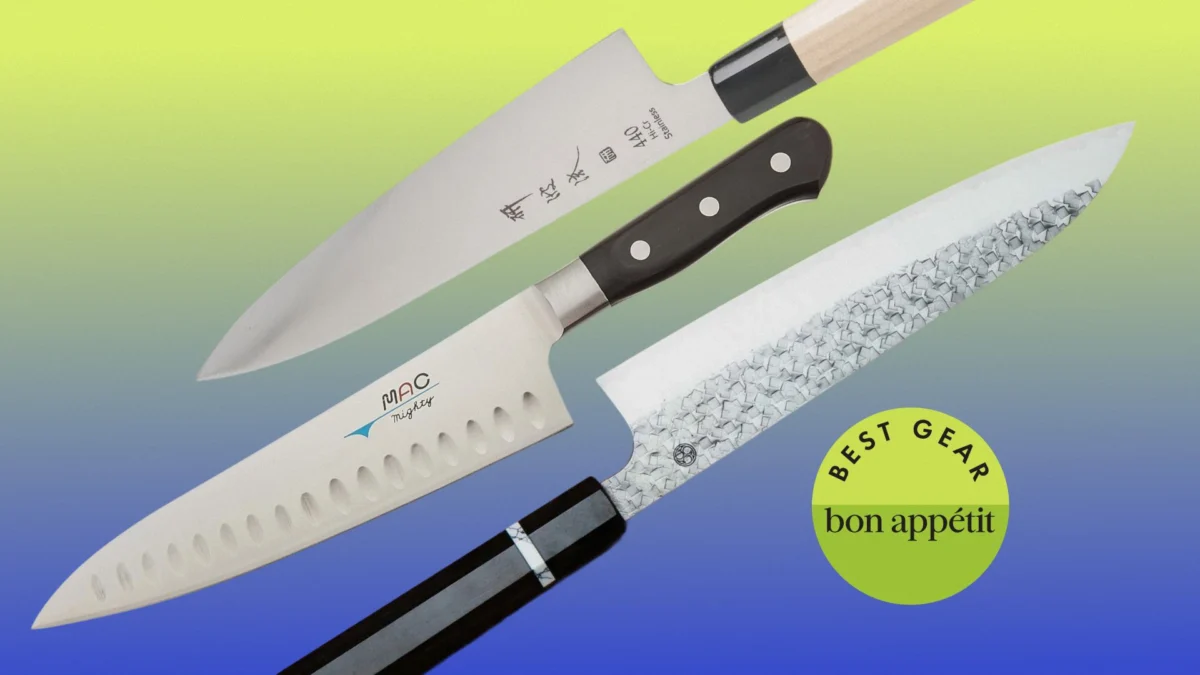
The global landscape of culinary tools has undergone a radical transformation over the last two decades, evolving from a market dominated by heavy Western cutlery to one where the precision and artistry of Japanese blades are highly coveted by professional chefs and home enthusiasts alike. Twenty years ago, acquiring a high-quality Japanese kitchen knife outside of Japan was a laborious task, often requiring specialized knowledge and international shipping. In the early days of e-commerce, consumers were largely restricted to a few major manufacturers found in high-end kitchen chains, where they competed for shelf space against established German giants like Wüsthof and Zwilling J.A. Henckels. Today, the market has expanded into a sophisticated ecosystem of direct importers and specialized online retailers such as Korin, Chubo Knives, and Japanese Chef’s Knife (JCK), which bridge the gap between rural Japanese blacksmithing studios and the global consumer.

This surge in interest is not merely a result of increased availability but is deeply intertwined with the rise of fine dining as a cornerstone of popular culture. The "foodie" movement, fueled by over 20 years of Top Chef, the grit of The Bear, and the cinematic storytelling of Chef’s Table, has demystified the professional kitchen. Viewers have become "knife-curious," seeking to replicate the efficiency and aesthetic of the hand-forged blades seen on screen. Consequently, the demand for the gyuto—the Japanese interpretation of the Western chef’s knife—has reached an all-time high, prompting a need for rigorous testing and consumer guidance in an industry where small-batch production and artisanal branding are the norms.
The Historical Evolution: From Samurai Swords to the Modern Gyuto
To understand the current state of Japanese cutlery, one must look back to the Meiji Restoration in the late 19th century. Following the 1876 ban on carrying swords in public, many master swordsmiths transitioned their skills from crafting katanas for the samurai class to forging tools for the domestic kitchen. This transition preserved ancient metallurgical techniques while adapting them to a changing society.

The gyuto, which literally translates to "cow sword," was born during this era of Westernization. Before its introduction, Japanese knives were primarily task-specific, such as the deba for butchering fish or the usuba for vegetables. As Western culinary influences introduced beef and more diverse proteins to the Japanese diet, chefs required a more versatile, multi-purpose blade. The resulting gyuto combined the length and profile of a Western chef’s knife with the harder steel and thinner geometry characteristic of Japanese forging. This historical lineage remains evident today in regions like Sakai, Seki, and Takefu, which serve as the epicenters of high-end knife production.
Technical Specifications and Metallurgical Advancements
The primary differentiator between a Japanese gyuto and its Western counterpart lies in the composition of the steel and the geometry of the edge. Western knives typically use softer steels (measured between 56 and 58 on the Rockwell Hardness Scale, or HRC). This makes them durable and resistant to chipping but requires frequent sharpening. Japanese knives, conversely, utilize high-carbon steels and specialized alloys like VG10, SG2 (Super Gold 2), and "White Paper" steel, often reaching HRC ratings of 60 to 65.

Supporting data from metallurgical tests indicates that these harder steels can be sharpened to a much finer angle—often 10 to 15 degrees per side, compared to the 20-degree angle common in Western blades. However, this hardness comes with a trade-off: brittleness. A gyuto is designed for precision slicing, not for hacking through bone or frozen foods. This distinction is critical for modern consumers who must balance the desire for a razor-sharp edge with the practicalities of kitchen maintenance.
Testing Methodology for High-Performance Cutlery
In a comprehensive evaluation of the current market, a series of rigorous tests were conducted to identify the best Japanese knives across various categories. The testing focused on four key performance indicators:

- Factory Sharpness: Measuring the blade’s ability to initiate and complete clean cuts through various materials without tearing.
- Edge Geometry and Resistance: Testing how the blade profile interacts with layered vegetables like onions and fibrous proteins like flank steak.
- Ergonomics and Balance: Assessing the comfort of both traditional wa-style (octagonal or cylindrical wood) handles and hybrid full-tang handles.
- Food Release: Evaluating how decorative finishes, such as hammered tsuchime or nashiji (pear skin) patterns, prevent ingredients from sticking to the blade.
The Top Performer: Kazan Arare by Shibata Gyutou (210mm)
The standout performer in recent testing was the Kazan Arare gyuto, a collaboration between Chubo Knives and master knifemaker Takayuki Shibata. Priced at approximately $240, this knife represents the pinnacle of modern Japanese craftsmanship. It utilizes SG2 steel, a high-carbon stainless powder steel known for its exceptional edge retention and relative ease of maintenance compared to traditional carbon steel.
The Kazan Arare features a unique geometric hammer pattern that serves a functional purpose: creating air pockets between the blade and the food to ensure clean release. During testing, the knife performed what felt like "magic tricks," slicing through tomatoes one-handed and gliding through flank steak with zero resistance. Its ebony handle provides natural moisture resistance, offering the durability of synthetic materials with the tactile feel of natural wood.

Professional Standards: Misono UX10 Gyuto
For those seeking a hybrid design that bridges the gap between East and West, the Misono UX10 remains a favorite among professional chefs. Unlike traditional Japanese knives that may feel delicate, the UX10 features a full-tang construction and a high-carbon Swedish stainless steel blade. Its 70/30 asymmetrical bevel—meaning one side is sharpened at a steeper angle than the other—allows for extreme precision in right-handed slicing.
Industry analysis suggests that the Misono UX10’s popularity stems from its consistency. While many artisanal knives vary slightly due to their handmade nature, Misono’s production process ensures a uniform standard of excellence, making it a reliable workhorse for high-volume commercial kitchens.
.jpg)
Traditional Value: Akira-Saku White #1 Funayuki
At a more accessible price point of $146, the Akira-Saku Funayuki Gyutou offers a traditional experience. Forged by a father-and-son team, this knife uses White #1 carbon steel, a material favored by traditionalists for its ability to take a frighteningly sharp edge. Unlike stainless alloys, carbon steel will develop a patina over time, a process that many enthusiasts view as a badge of honor. However, it requires diligent care, including immediate drying and occasional oiling to prevent rust.
The Impact of Handle Construction: Wa vs. Yo
The debate between the wa-style (traditional Japanese) and yo-style (Western full-tang) handle is more than aesthetic; it dictates the knife’s balance point. A wa-handle is typically lighter, shifting the balance point toward the tip of the blade. This encourages a "pinch grip," where the chef holds the base of the blade between the thumb and forefinger, providing greater control for intricate tasks.

Full-tang handles, such as those found on the Tojiro Classic or the Misono series, provide a more "handle-heavy" feel. This is often preferred by those transitioning from Western brands, as it offers a sense of sturdiness and familiarity during heavy chopping. Supporting data suggests that the market is increasingly leaning toward hybrid models that offer Japanese steel quality with Western-style ergonomics to appeal to a broader demographic.
Market Analysis and Broader Implications
The democratization of Japanese cutlery has significant implications for the global kitchenware industry. Established Western brands have been forced to innovate, often launching their own "Japanese-inspired" lines to compete. However, the allure of the "Made in Japan" label remains strong. This is partly due to the narrative of the artisan; consumers are increasingly willing to pay a premium for a tool that they know was hand-forged in a small workshop in Takefu rather than mass-produced in a factory.

Furthermore, the rise of specialized importers has created a more transparent market. By working directly with blacksmiths, companies like Korin and Chubo are able to provide detailed provenance for their products, including the name of the smith, the type of steel used, and the specific region of origin. This level of detail has turned knife collecting into a hobby akin to horology or fine wine.
Maintenance: The Responsibility of Ownership
As high-end Japanese knives become more common in home kitchens, the need for consumer education regarding maintenance has grown. A recurring theme in expert evaluations is that a knife is only as good as its edge. The harder steels used in Japanese blades cannot be maintained with standard pull-through sharpeners, which can chip the brittle edge. Instead, the use of whetstones is recommended.

The maintenance of carbon steel, in particular, requires a shift in kitchen habits. The application of Tsubaki (camellia) oil is essential for long-term storage, and the immediate cleaning of the blade after contact with acidic foods like lemons or onions is mandatory. For many, this ritualistic care is part of the appeal, fostering a deeper connection between the cook and their tools.
Conclusion: The Future of the Japanese Knife Market
The trend toward high-performance, artisanal Japanese cutlery shows no signs of waning. As pop culture continues to romanticize the culinary arts, the demand for authentic, high-quality tools will likely expand into even more specialized niches, such as the kiritsuke or the honesuki.

The current "Golden Age" of Japanese knives offers an unprecedented opportunity for home cooks to elevate their skills. Whether one chooses the high-tech performance of an SG2 Kazan Arare or the rugged, traditional feel of an Akira-Saku carbon steel blade, the result is the same: a more efficient, enjoyable, and precise cooking experience. As long as the master blacksmiths of Japan continue to blend ancient traditions with modern metallurgy, the gyuto will remain the "cow sword" that conquered the global kitchen.