Danny Garick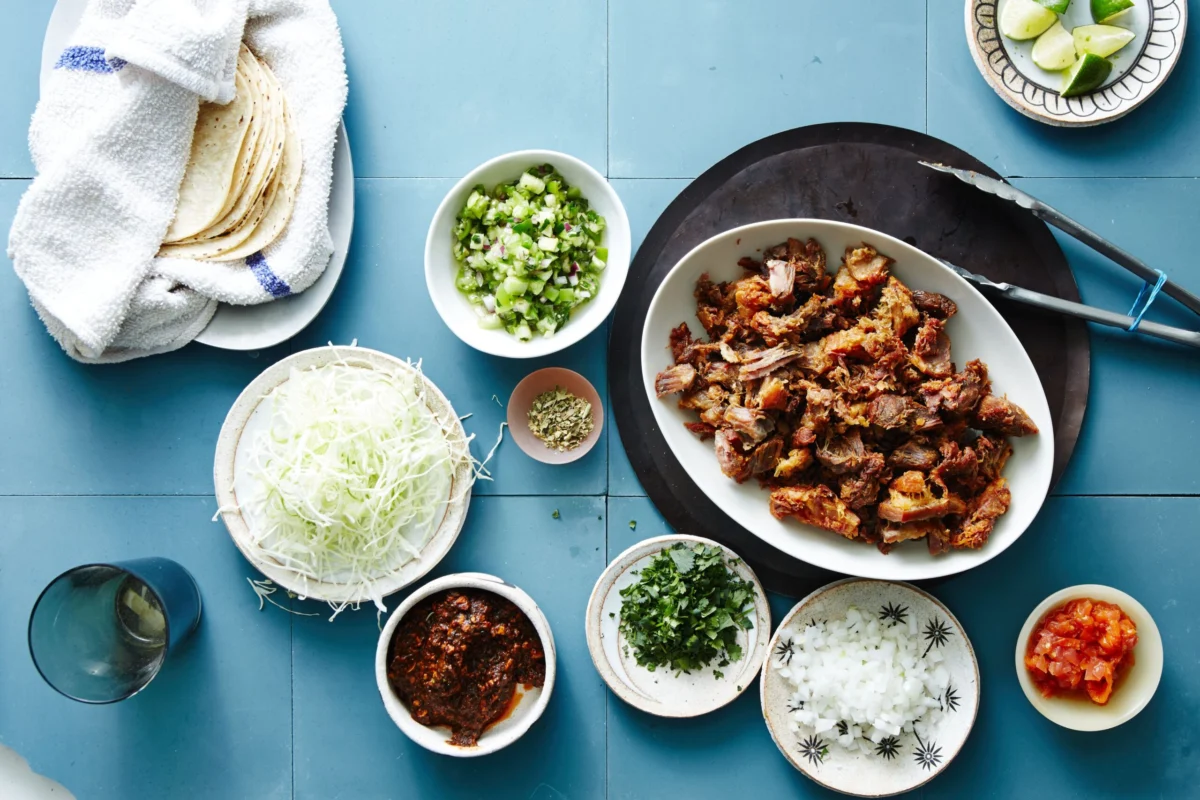
The culinary landscape of Mexican gastronomy has long been defined by its complexity, yet a growing movement among chefs and home cooks is refocusing attention on the foundational elements of one of the nation’s most iconic exports: carnitas. Literally translated as "little meats," carnitas represent a masterclass in slow-cooking, traditionally involving the simmering of pork in its own fat until tender, followed by a high-heat finish to achieve a signature crispness. While historical recipes often rely on a symphony of aromatics—including orange, cinnamon, bay leaves, and condensed milk—a new technical approach is gaining traction. This "double-pork" method, utilizing both pork belly and pork shoulder, prioritizes the quality of the livestock and the precision of the cooking process over the addition of external flavorings, signaling a shift toward culinary minimalism in the global appreciation of Mexican soul food.
The Historical Foundations of Carnitas
To understand the current evolution of carnitas, one must look to the state of Michoacán in western Mexico, widely recognized as the birthplace of the dish. The origins of carnitas are inextricably linked to the post-conquest era, following the introduction of pigs to the Americas by Spanish explorers in the 16th century. Over the centuries, Michoacán perfected the art of the cazo—a large, heavy copper vat used to cook the entire pig, "nose-to-tail," in rendered lard.
Traditionally, this process was a communal event, often associated with celebrations and Sunday markets. The use of the copper vat is not merely aesthetic; copper provides superior heat conductivity, ensuring an even temperature that prevents the meat from scorching while the fat renders. This historical context informs the modern "double-pork" recipe, which seeks to replicate the rich, varied textures of a whole-hog cook by combining the lean, muscular fibers of the shoulder with the high-fat content of the belly.
The Anatomy of the Dish: Shoulder and Belly
The selection of meat is the most critical variable in the minimalist carnitas framework. In professional butchery, the pork shoulder—specifically the "Boston butt" or "pork butt"—is the gold standard for slow-cooked dishes. This cut comes from the upper part of the front leg and is characterized by a high concentration of connective tissue, specifically collagen. When cooked at low temperatures over an extended period, this collagen undergoes a chemical transformation into gelatin, resulting in the "shreddable" texture that defines high-quality carnitas.
The inclusion of pork belly represents a strategic enhancement of the traditional recipe. Pork belly is the source of bacon and is composed of alternating layers of fat and muscle. By integrating belly into a shoulder-based braise, cooks introduce an additional source of internal fat that renders out during the cooking process. This serves two purposes: it bastes the leaner shoulder meat, preventing it from drying out, and it provides the necessary medium for the final "frying" stage. According to culinary data, the fat content in pork belly can exceed 50%, providing a depth of flavor and a silky mouthfeel that shoulder alone cannot achieve.
The Science of the Braise and the Maillard Reaction
The "double-pork" technique relies on a two-stage thermodynamic process. The first stage is the braise, where the meat is cooked in a controlled environment with minimal liquid. In the minimalist version, the absence of citrus and spices forces the cook to rely on the "pork-on-pork" flavor profile. Scientific analysis of meat cookery suggests that by stripping away acidic components like orange juice, the natural sweetness of the pork proteins is allowed to caramelize more effectively during the second stage.
The second stage is the "crisping," which utilizes the Maillard reaction—a chemical reaction between amino acids and reducing sugars that gives browned food its distinctive flavor. For carnitas to be successful, the meat must be removed from the cooking liquid, shredded, and then fried in the rendered fat. Culinary experts emphasize that overcrowding the pan is the primary cause of failure in this stage. When too much meat is added to a skillet, the moisture escaping from the pork creates steam, which prevents the temperature from rising high enough to trigger the Maillard reaction. By frying in small batches in a wide skillet, the pork achieves the "crackly edges" and concentrated flavor that define the dish.
A Shift Toward Culinary Minimalism
The decision to remove traditional aromatics such as garlic, onion, cumin, and beer represents a broader trend in the high-end culinary world: the pursuit of "ingredient-pure" cooking. This philosophy posits that if the raw material—in this case, the pork—is of sufficiently high quality, external seasonings serve only to mask the natural nuances of the meat.
Market data from the artisanal butchery sector suggests a rising consumer interest in heritage breeds such as Berkshire, Duroc, and Mangalitsa. These breeds are known for their superior marbling and flavor profiles compared to standard commercial pork. When using heritage meats, the minimalist approach to carnitas allows the specific terroir and diet of the animal to be expressed in the final dish. This reflects a shift in consumer behavior, where transparency in sourcing and the "back-to-basics" movement are driving recipe development.
Economic and Market Implications of the Taco Industry
The popularity of carnitas is not merely a matter of taste; it is a significant driver in the global food economy. In the United States, the "Mexican grill" segment of the fast-casual dining market has seen consistent growth, with the taco industry alone valued at over $2 billion annually. Carnitas remain a staple of this industry due to their cost-effectiveness. Pork shoulder remains one of the most affordable protein cuts per pound, making it a high-margin item for restaurateurs.
However, the volatility of pork prices—influenced by global supply chain issues and outbreaks of African Swine Fever in various regions—has forced chefs to become more creative. The "double-pork" method, while adding the more expensive pork belly, allows for a premium pricing tier. Consumers have shown a willingness to pay more for "hand-crafted" or "small-batch" carnitas that promise a specific textural experience, such as the "juicy and crispy" dichotomy found in the belly-shoulder combination.
Expert Perspectives and Culinary Analysis
Culinary historians and professional chefs offer varying perspectives on the minimalist trend. "There is a tension between the ‘Michoacán purist’ and the ‘modern minimalist,’" says one food analyst specializing in Latin American cuisine. "The purist argues that the orange and the spices are what make it ‘carnitas’ rather than just ‘fried pork.’ The minimalist argues that the technique of the confit is the true soul of the dish."
From a technical standpoint, the minimalist method is often praised for its "unfussy" nature. By removing the need for a long list of ingredients, the recipe becomes more accessible to the home cook while demanding a higher level of attention to the cooking process itself—specifically the management of heat and fat. This focus on technique over ingredients is a hallmark of modern professional culinary training.
The Chronology of a Perfect Batch
The timeline for producing double-pork carnitas is a study in patience. A typical professional workflow follows this chronology:
- Preparation (Hour 0): Cubing the shoulder and belly into uniform pieces (typically 2-inch chunks) to ensure even cooking.
- The Slow Simmer (Hours 1–3): The meat is placed in a heavy-bottomed pot or Dutch oven with a small amount of liquid (water or broth) and salt. It is cooked at a low simmer until the liquid evaporates and the fat begins to render.
- The Confit (Hours 3–4): Once the water is gone, the meat begins to cook in its own fat. This is where the shoulder becomes tender and the belly begins to melt.
- Resting and Shredding (Hour 4.5): The meat is removed from the fat and allowed to rest briefly before being hand-shredded or broken into large chunks.
- The Final Crisp (The "A La Minute" Step): Just before serving, the meat is returned to a hot skillet with a portion of the reserved lard to achieve the final browning.
Broader Impact and Cultural Legacy
As carnitas continue to evolve, they remain a powerful symbol of Mexican cultural identity. The dish’s ability to adapt—from the copper kettles of Michoacán to the minimalist kitchens of modern urban centers—speaks to its versatility. The "double-pork" method is more than just a recipe; it is a reflection of how traditional techniques are being reinterpreted for a new generation that values both heritage and simplicity.
In the broader context of global food trends, the focus on "pork and patience" serves as a counter-narrative to the fast-food culture. It encourages a slower, more intentional approach to cooking that honors the animal and the craft. Whether served simply in a warm corn tortilla with white onion and cilantro or elevated with habanero jam and crema, carnitas continue to be a cornerstone of the culinary world, proving that sometimes, the most profound flavors are found in the simplest preparations.