Danny Garick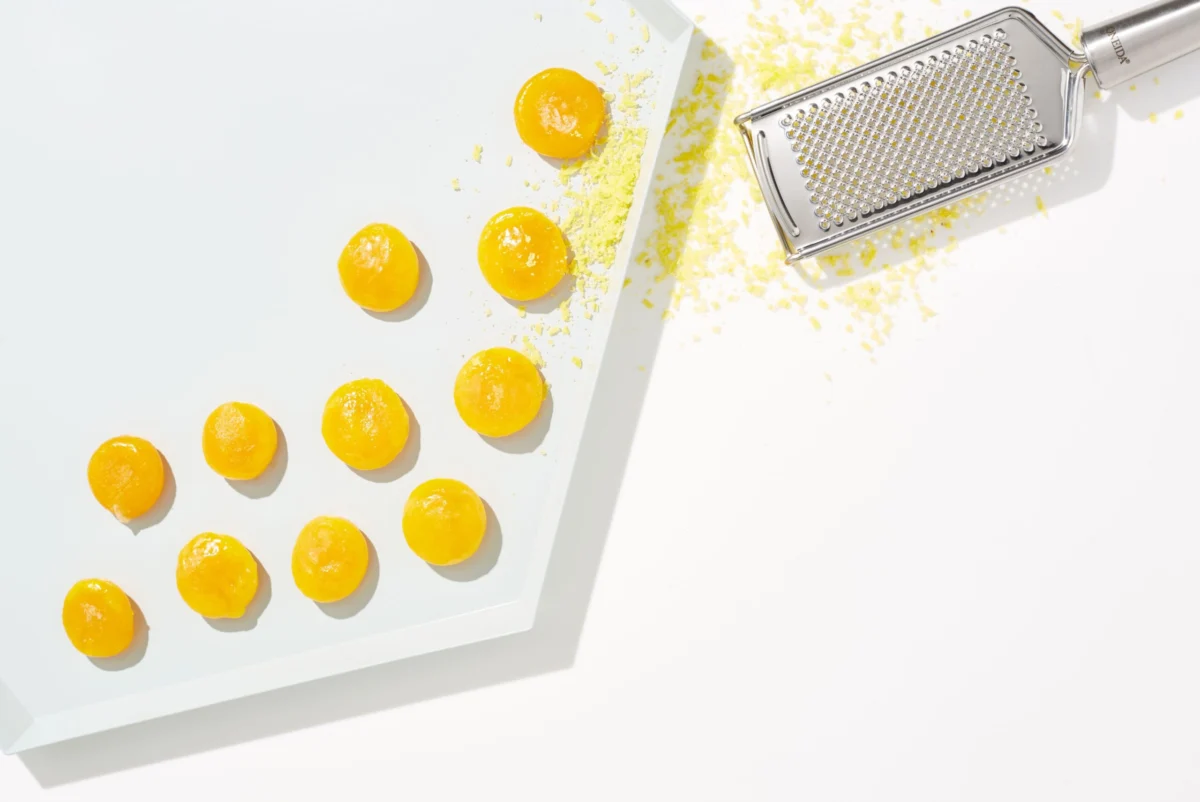
The culinary landscape has witnessed a significant shift in recent years as techniques once reserved for Michelin-starred establishments migrate into the domestic kitchen. Among these methods, the salt-curing of egg yolks has emerged as a prominent example of how traditional preservation science can be repurposed to create modern, flavor-dense condiments. Cured egg yolks, often described by chefs as "egg cheese" or "poor man’s truffles," represent a convergence of ancient preservation logic and contemporary gastronomic trends. By utilizing a simple mixture of salt and sugar, cooks can transform the humble, liquid yolk into a firm, grateable medium that provides an intense concentrated boost of umami and saltiness to a wide variety of dishes.
The Evolution of Salt-Curing Techniques
Salt-curing is one of the oldest methods of food preservation known to civilization. Historically, societies ranging from the ancient Egyptians to the Han Dynasty in China utilized salt to extend the shelf life of proteins, including fish, meats, and eggs. In the context of eggs, the tradition is perhaps most famously rooted in the Chinese salted duck egg, which involves soaking eggs in brine or packing them in salted charcoal. However, the modern iteration of the "cured yolk"—where the yolk is separated from the white and cured in a dry bed—is a more recent refinement popularized by the "New Nordic" and "Modernist" culinary movements of the early 21st century.
The technique gained traction in professional kitchens due to its ability to minimize food waste while adding a unique textural element to menus. As sustainability became a core pillar of professional gastronomy, the need to utilize every component of the egg became paramount. When pastry departments produced meringues, pavlovas, or angel food cakes, they were left with a surplus of yolks. Curing provided a solution that turned potential waste into a high-value garnish. Today, this practice has moved beyond the professional sphere, fueled by the accessibility of high-quality ingredients and the proliferation of digital culinary education.
Chemical Transformation: The Science of Osmosis in Preservation
The transformation of a raw egg yolk into a firm, translucent disk is governed by the principles of osmosis and dehydration. A standard egg yolk is composed of approximately 50% water, 16% protein, and 34% lipids. When the yolk is placed in a high-concentration environment of salt and sugar, a process of osmotic pressure begins.
Salt, being a hygroscopic substance, draws moisture out of the yolk’s cellular structure. Simultaneously, the salt ions penetrate the yolk, denaturing the proteins and altering their structure. This denaturation causes the proteins to coagulate, resulting in a firm, leather-like texture. The inclusion of sugar in the curing bed serves two purposes: it balances the harshness of the salt from a flavor perspective and assists in the dehydration process through its own hygroscopic properties.
From a food safety standpoint, the reduction of "water activity" (Aw) is the primary goal. By lowering the moisture content, the environment becomes inhospitable to the growth of bacteria, such as Salmonella. When the process is completed correctly, the yolk reaches a state where it is shelf-stable for several weeks when refrigerated, effectively concentrating the fats and proteins into a dense flavor bomb.
A Chronological Guide to the Curing Process
The production of cured egg yolks is a multi-day endeavor that requires precision and patience. The timeline can be divided into four distinct phases: the preparation, the cold cure, the rinsing, and the final dehydration.
Phase 1: Preparation and Bedding
The process begins with the creation of the curing mixture. Culinary standards generally recommend a 50/50 or 60/40 ratio of kosher salt to granulated sugar. This mixture is spread into a non-reactive container to a depth of at least one inch. Small indentations are made in the surface to cradle the yolks. Success in this phase depends entirely on the clean separation of the yolk from the white; any residual white can interfere with the uniformity of the cure.
Phase 2: The Cold Cure (4 to 7 Days)
Once the yolks are placed in the indentations and covered with more of the salt-sugar mixture, the container is sealed and refrigerated. Over the next 96 to 168 hours, the osmotic transfer occurs. During this period, the yolks will shrink in size and darken in color, moving from a bright yellow to a deep, sunset orange. The duration of this phase determines the final texture; a shorter cure results in a jammy center, while a longer cure produces the firmness required for grating.
Phase 3: The Cleaning and Rinsing
After the cold cure is complete, the yolks are carefully excavated from the salt bed. At this stage, they are firm enough to handle but will be coated in a layer of excess salt and sugar. They must be gently rinsed under cold, running water or dipped in a water bath to remove the exterior crust. Failure to rinse thoroughly results in a product that is unpalatably salty.
Phase 4: Final Dehydration (2 Hours to 2 Days)
The final step involves removing the last traces of moisture. This is typically achieved in a low-temperature oven set to 150°F (approximately 65°C) for roughly two hours. For those without an oven capable of holding such a low temperature, a food dehydrator is a viable alternative. In the absence of mechanical heat, the yolks can be left to air-dry in a cool, dry place for 48 hours, though this increases the risk of environmental contamination. The end result should be a firm, translucent disk with the consistency of a hard cheese like Gruyère or Manchego.
Supporting Data and Nutritional Context
Data from food science laboratories indicate that the curing process significantly alters the nutritional density of the yolk. While a fresh large egg yolk contains approximately 55 calories and 4.5 grams of fat, the cured version is much more concentrated.
| Component | Fresh Yolk (per 17g) | Cured Yolk (per 10g) |
|---|---|---|
| Water Content | ~50% | ~15-20% |
| Sodium | ~8mg | ~150-200mg (estimated) |
| Protein | ~2.7g | ~2.7g |
| Texture | Liquid | Semi-Hard |
The significant increase in sodium makes the cured yolk a functional seasoning rather than a primary protein source. Furthermore, the concentration of lutein and zeaxanthin—two carotenoids found in egg yolks—remains high, providing the cured yolk with its characteristic vibrant color and antioxidant properties.
Professional Perspectives and Culinary Applications
Professional chefs view the cured egg yolk as a versatile tool for layering flavors. "The cured yolk acts as a bridge between seasoning and fat," says one industry analyst. "It provides the richness of a sauce with the precision of a dry spice."
The applications for the finished product are extensive:
- Pasta and Grains: Shaving the yolk over carbonara or cacio e pepe adds a depth that mimics the funk of aged Pecorino.
- Vegetables: It provides a savory counterpoint to the bitterness of chicory, radicchio, or charred brassicas.
- Breakfast and Brunch: When microplaned over avocado toast or soft-scrambled eggs, it intensifies the inherent egg flavor.
- Soups and Broths: In dishes like miso ramen or brothy beans, the yolk shavings dissolve slightly, enriching the liquid with a velvety mouthfeel.
Furthermore, the recipe is highly customizable. Chefs often "zhush up" the cure by adding aromatics. Cracked black pepper, toasted fennel seeds, coriander, or citrus zest can be incorporated into the salt-sugar bed to infuse the yolks with secondary flavor notes.
Sustainability and the Mitigation of Food Waste
The rise of the cured egg yolk is inextricably linked to the broader "zero-waste" movement in the food industry. According to the Food and Agriculture Organization (FAO), roughly one-third of all food produced for human consumption is lost or wasted globally. In a domestic setting, egg whites are frequently used for light desserts or protein-heavy omelets, often leading to the disposal of the yolks.
By adopting curing practices, households can effectively "upcycle" these leftovers. The longevity of the cured yolk—which can last up to a month in an airtight container—ensures that the nutritional value of the egg is preserved far beyond the lifespan of a fresh shell egg. This aligns with a growing consumer trend toward "pantry cooking," where shelf-stable, homemade concentrates are used to elevate simple ingredients.
Broader Impact and Implications for Home Gastronomy
The democratization of techniques like yolk curing signifies a shift in how the public interacts with food science. No longer intimidated by the "chemical" nature of preservation, home cooks are increasingly comfortable managing microbial environments and enzymatic changes.
The implications of this trend are twofold. First, it fosters a deeper appreciation for the raw ingredients and the labor-intensive nature of professional cooking. Second, it encourages a more creative approach to seasoning. As salt-cured yolks become a staple in more refrigerators, they may eventually challenge the dominance of pre-packaged flavor enhancers and bouillon cubes, leading to a more natural, whole-food approach to flavor development.
In conclusion, the cured egg yolk is more than a culinary fad; it is a testament to the enduring relevance of preservation science. Through the simple application of salt, sugar, and time, a common ingredient is elevated into a sophisticated condiment, bridging the gap between the economy of the home kitchen and the artistry of fine dining. As more cooks master the delicate balance of osmosis and dehydration, the golden, umami-rich shavings of the cured yolk are set to become a permanent fixture in the modern gastronomic repertoire.