Layla Zulfa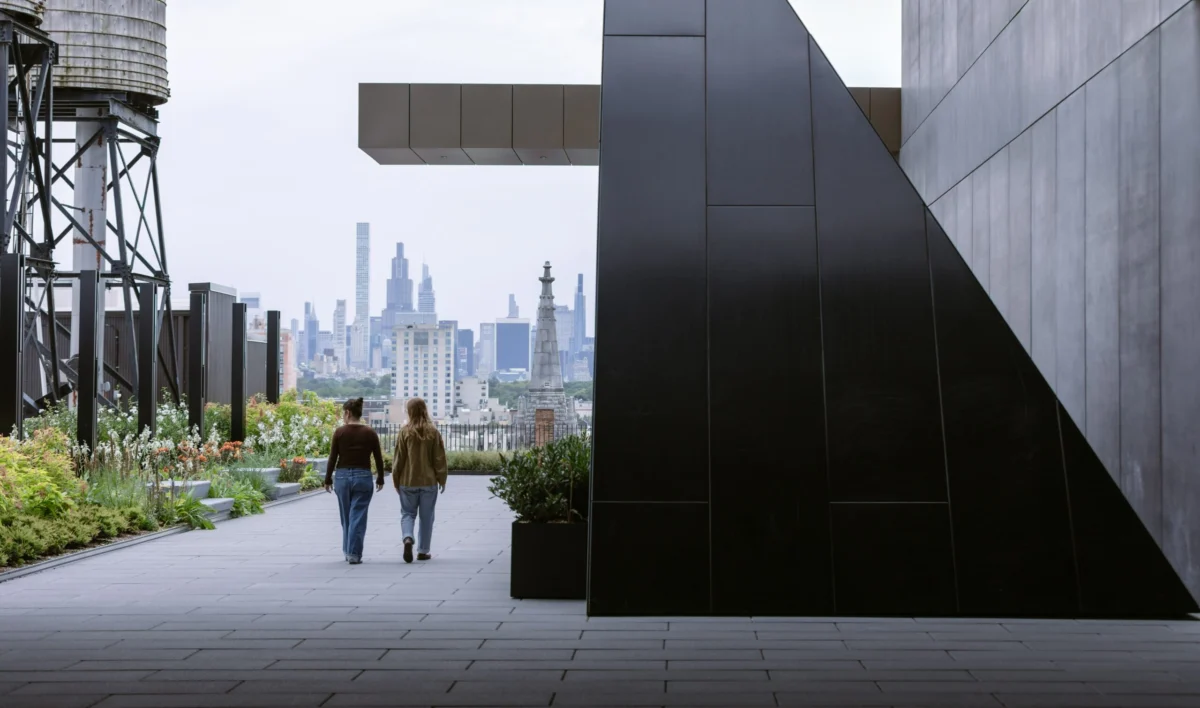
The enduring appeal of the world’s most celebrated hospitality and cultural landmarks is rarely rooted in a single piece of furniture or a specific architectural flourish. Instead, the prestige of institutions like Caviar Kaspia in Los Angeles, the storied halls of the Hotel Chelsea, and the historic il Buco in New York City is built upon a foundation of "atmosphere"—a complex, multi-layered experience derived from light, movement, materiality, and collective memory. As the global design industry shifts its focus from purely visual aesthetics to holistic experiential environments, leading designers are increasingly prioritizing the sensory and psychological impact of space over traditional composition.
This evolution in design philosophy suggests that the success of a destination is measured by its ability to foster a specific emotional state in its visitors. By layering invisible elements such as acoustics, scent, and lighting, designers are moving beyond the role of decorators to become architects of human experience. This trend is visible across a diverse spectrum of projects, from high-end Mediterranean resorts to community-centric museums in Harlem, each reflecting a growing demand for authenticity and emotional resonance in the built environment.
The Psychological Layer: Lighting as an Emotional Catalyst
For Tiffany Howell, the founder of Night Palm Studio and the creative force behind the interiors of Caviar Kaspia Los Angeles, the design process is less about visual arrangement and more about "creating conditions for people to feel something." Central to this objective is the strategic use of lighting, a tool Howell considers one of the most critical yet underutilized components in modern design.
In the context of hospitality, lighting serves as more than a functional necessity; it is a psychological driver. Howell’s approach involves a chronological study of a room’s light profile, tracking how sunlight interacts with surfaces from 7 a.m. to midnight. This methodology accounts for how light bounces off specific furniture pieces and how it affects the skin tones of the occupants. Scientific research supports this emphasis, as studies in chronobiology have shown that lighting significantly influences circadian rhythms and cortisol levels. Poorly calibrated lighting—often characterized by high-glare or inappropriate color temperatures—can induce a subconscious sense of unease, whereas thoughtfully layered lighting can promote relaxation and social cohesion.
By treating light as a material in its own right, designers like Howell ensure that a space remains dynamic throughout the day. This attention to detail is what distinguishes a transient "trendy" spot from an enduring institution. At Caviar Kaspia, the result is an environment that feels both intimate and theatrical, leveraging shadows and warmth to create a sense of exclusivity and comfort.

Contextualism and the Narrative of Place
In the realm of large-scale hospitality, firms like Meyer Davis are redefining luxury through the lens of "contextualism." Will Meyer, who has spent over two decades shaping global hospitality experiences, posits that the most successful projects are those that listen to the existing history and traditions of their location. This philosophy was a guiding principle for the firm’s work on the Four Seasons Resort Red Sea, located on Shura Island.
The Red Sea project is part of a broader initiative under Saudi Arabia’s Vision 2030, a massive economic and social reform program that includes the development of sustainable tourism hubs. For Meyer Davis, designing within this framework required looking beyond the architecture to the physical landscape itself. The interiors were informed by the geometry of sand dunes, the vibrant textures of coral reefs, and the specific green hues of mangrove forests.
The objective of such design is to create a "design language" that is inseparable from its setting. Rather than imposing a standardized luxury aesthetic, the goal is to produce a space that could only exist in that specific geographical and cultural coordinate. This approach reflects a broader industry move toward "biophilic design," which seeks to connect occupants more closely with nature, a practice shown to reduce stress and improve cognitive function in travelers.
The Role of Ritual and Residential Hospitality
Beyond the grand scale of international resorts, the concept of atmosphere is often reinforced through small, repetitive rituals. Jenni Kayne, known for her lifestyle brand and the Jenni Kayne Farmhouse in New York’s Hudson Valley, emphasizes the importance of sensory gestures in establishing a sense of welcome.
Kayne’s approach focuses on "soft hospitality"—the use of fresh air, the warmth of a fireplace, and the scent of seasonal elements to shift a guest’s state of mind. These elements, while seemingly simple, are rooted in the psychology of "homing," where certain sensory triggers signal safety and relaxation. In an era where the lines between residential and hospitality design are increasingly blurred, these rituals are becoming essential components of the guest experience, providing a counterpoint to the often sterile environments of traditional luxury hotels.
Cultural Institutions and the Choreography of Movement
The challenge of creating atmosphere extends to cultural institutions, where the objective is not necessarily to encourage relaxation, but to foster deep engagement and reflection. At the Studio Museum in Harlem, landscape architect Sara Zewde of Studio Zewde has utilized the rooftop as a vital extension of the museum’s mission.

The Studio Museum, founded in 1968, has long served as a nexus for artists of African descent and a cornerstone of the Harlem community. Its recent $175 million expansion, designed by Adjaye Associates with landscape design by Studio Zewde, emphasizes the museum’s role as a public "living room." Zewde’s design for the rooftop garden is a study in "choreographed movement."
Unlike the disciplined, quiet environment of an art gallery, the rooftop is designed for sensory reconnection. It incorporates elements such as the breeze, shade, and seasonal plantings to create a space for gathering and conversation. By carefully planning how visitors move through the landscape, Zewde ensures that the physical environment supports the institution’s social and cultural goals. This "third space"—neither home nor work—is crucial for urban community building and reflects a growing trend of museums prioritizing outdoor, accessible spaces.
Materiality and Acoustic Identity
The longevity of institutions like il Buco in New York City can be attributed to the "tension and conversation" between their physical materials. Founder Donna Lennard notes that every surface in the restaurant, from the worn wood to the rough plaster and linen, contributes to a collective story.
Materiality plays a significant role in the "acoustic identity" of a space. Wood, for instance, absorbs sound in a way that creates a warm, intimate auditory environment, whereas stone and marble reflect sound, leading to a more energetic, though sometimes chaotic, atmosphere. The particular acoustics of il Buco—the low register of a full dining room mixed with the rhythms of the kitchen—are as central to its brand as its menu.
This focus on the "invisible layers" of design is a hallmark of sophisticated hospitality. As consumers become more discerning, the tactile and auditory qualities of a space are becoming just as important as its visual appeal. The choice of a linen curtain versus a velvet one is no longer just an aesthetic decision; it is a decision about how light is filtered and how sound is muffled.
Preserving the Icon: The Case of the Hotel Chelsea
Perhaps no project illustrates the complexity of atmosphere better than the recent renovation of the Hotel Chelsea. A New York City landmark known for its bohemian history and famous residents—including Bob Dylan, Leonard Cohen, and Janis Joplin—the hotel underwent a decade-long renovation before reopening in 2022.

Shanta Trusewich, founder of Studio Sio, was tasked with reimagining the interior without erasing the qualities that made the Chelsea a legend. This required a delicate balance between modernization and preservation. One of the most critical aspects of the project was the preservation of the hotel’s extensive art collection, much of which was acquired from residents in exchange for rent over several decades.
However, the most significant "invisible" update was the acoustic engineering. Historically known as a "party hotel," the Chelsea required a sophisticated sound management system to ensure that the vibrant energy of the lobby and bars did not disturb the peace of the guest rooms. This involved the work of specialized sound engineers to improve the Sound Transmission Class (STC) ratings of the historic structure.
Trusewich’s approach to the interiors—layering antique and vintage furnishings with contemporary pieces—was designed to avoid a "polished" or uniform look. The goal was to make the hotel feel as though it had evolved organically over time, rather than being the product of a single design cycle. This commitment to "imperfection" is a key element of the Chelsea’s enduring atmosphere.
Broader Implications and the Future of Design
The emphasis on atmosphere, ritual, and materiality represents a fundamental shift in the global design industry. In an age of digital saturation, where visual images are consumed and discarded at a rapid pace, the creation of physical spaces that offer a deep, sensory experience is a form of cultural resistance.
Economically, the "architecture of atmosphere" is a sound investment. Destinations that successfully cultivate a unique sense of place and emotional resonance tend to enjoy higher rates of customer loyalty and longer lifespans. As the hospitality and cultural sectors continue to recover and evolve in a post-pandemic world, the focus is clearly moving away from the "Instagrammable" moment toward the "enduring" experience.
Ultimately, the success of these iconic destinations lies in the relationship they build between people and place. By prioritizing the invisible layers of design—light, sound, memory, and ritual—designers are ensuring that these institutions remain relevant and beloved for generations to come. The enduring legacy of a place is not found in its objects, but in the feeling it leaves behind.