
 Johny Marice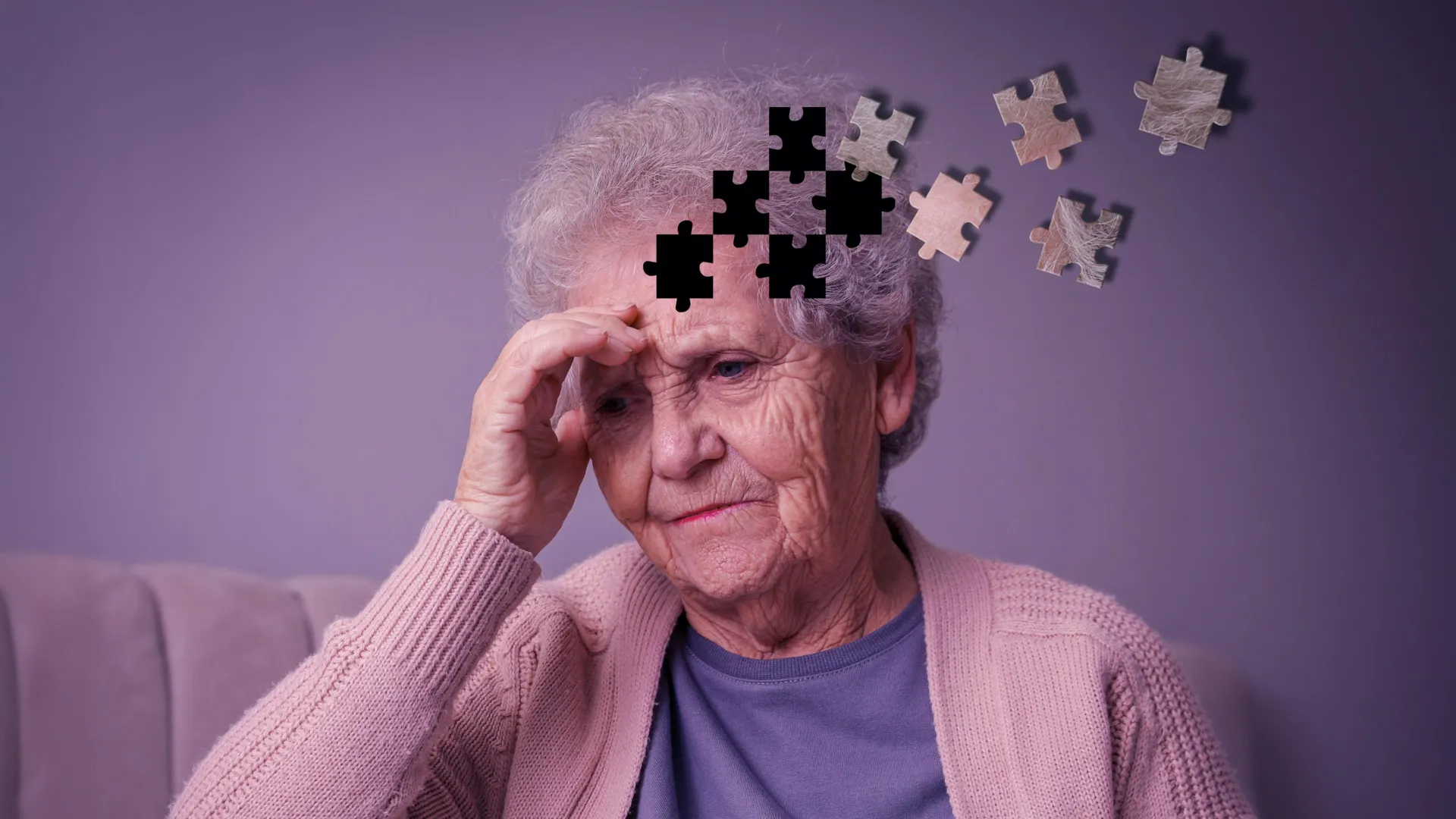
Women not only face higher rates of Alzheimer’s disease and other forms of dementia, but new research suggests they may also be more strongly affected by several common risk factors linked to cognitive decline. A groundbreaking study conducted by scientists at the University of California San Diego (UCSD) School of Medicine has illuminated a critical area of concern in the fight against neurodegenerative diseases: the differential impact of risk factors on men and women’s cognitive health. The findings, published on May 19, 2026, in the esteemed journal Biology of Sex Differences, indicate that a one-size-fits-all approach to dementia prevention may be significantly less effective, particularly for women who bear a disproportionate burden of these conditions.
The Disproportionate Burden: Women and Alzheimer’s Disease
Alzheimer’s disease, the most prevalent form of dementia, currently affects nearly seven million Americans. A stark reality of this disease is its gendered prevalence, with women constituting approximately two-thirds of all diagnosed cases in the United States. While women generally experience longer lifespans than men, this demographic difference alone cannot fully account for the significant disparity in Alzheimer’s diagnoses. This observation has spurred a growing scientific imperative to explore the complex interplay of biological, social, and lifestyle factors that may shape dementia risk differently across sexes.
The UCSD study delved into this complex landscape by analyzing data from over 17,000 middle-aged and older adults. Led by Dr. Megan Fitzhugh, an assistant professor of neurosciences at UCSD School of Medicine, and senior author Dr. Judy Pa, a professor of neurosciences at the same institution, the research meticulously examined thirteen established dementia risk factors. These factors encompass a wide spectrum of influences, including educational attainment, hearing loss, smoking habits, alcohol consumption, obesity, depression, physical inactivity, hypertension, diabetes, and other cardiometabolic conditions. The wealth of data was drawn from the Health and Retirement Study, a nationally representative longitudinal survey of U.S. adults in mid to late life, providing a robust foundation for the investigation.
Unveiling Differential Impacts: Key Risk Factors and Sex-Specific Vulnerabilities
The comprehensive analysis revealed several notable differences in the prevalence and impact of these risk factors between men and women. While specific percentages for each category were not detailed in the initial release, the study’s conclusions underscore that certain modifiable dementia risk factors appear to exert a more profound influence on women’s cognitive function compared to men’s. This finding challenges the long-held assumption that risk factors operate uniformly across the population.
One of the most significant revelations from the study is that conditions related to cardiovascular and metabolic health, such as hypertension and elevated body mass index (BMI), demonstrated steeper negative associations with cognitive function in women. This suggests that for women, the detrimental effects of high blood pressure and excess weight on cognitive health may be more pronounced.
Furthermore, the research indicated that even risk factors that were more common in men, such as hearing loss and diabetes, were still significantly linked to lower cognitive scores in women. This observation is particularly crucial, as it implies that interventions targeting these issues might yield greater cognitive benefits for women, even if they are not the primary demographic experiencing the highest prevalence.
"Looking beyond which risk factors are most common, we found that some have a disproportionately larger impact on women’s cognition," stated Dr. Fitzhugh, the study’s first author. "This suggests that prevention efforts may be more effective if they are tailored not just to risk factor prevalence, but to how strongly each factor affects cognition in women versus men." This statement highlights a critical shift in perspective for public health initiatives.
Beyond Prevalence: The Nuance of Cognitive Impact
The study’s emphasis on the strength of the association between risk factors and cognitive decline, rather than solely on their prevalence, is a critical advancement. It implies that a health issue that might cause moderate cognitive impairment in men could potentially have a far more substantial influence on a woman’s brain health. This nuanced understanding is vital for developing targeted and effective interventions.
Dr. Pa, the senior author, underscored the importance of this sex-based analysis: "These differences highlight the importance of considering sex as a key variable in dementia research. Sex differences are profoundly overlooked among many leading causes of death like Alzheimer’s, heart disease and cancer." Her assertion points to a systemic issue in medical research and clinical practice, where biological sex has historically been under-examined as a determinant of disease progression and treatment efficacy.
Historical Context and the Evolution of Dementia Research
The journey to understanding Alzheimer’s disease has been a long and often challenging one. First identified by German psychiatrist and neuropathologist Alois Alzheimer in 1906, the disease was initially characterized by the presence of amyloid plaques and neurofibrillary tangles in the brain. For decades, research largely focused on these neuropathological hallmarks. However, in recent years, there has been a significant pivot towards understanding the multifaceted nature of risk factors, encompassing not only genetics and biology but also lifestyle and environmental influences.
The growing recognition of sex as a biological variable in health outcomes has gained momentum in the scientific community. Early research in many disease areas often used predominantly male participants, leading to findings that may not accurately reflect the female experience. This has spurred calls for greater inclusivity in clinical trials and research studies, aiming to ensure that treatments and prevention strategies are equitable and effective for all genders. The UCSD study directly contributes to this paradigm shift by providing concrete evidence of sex-specific differences in dementia risk.
Implications for Personalized Prevention Strategies
The findings of this study have profound implications for the future of dementia prevention and align with the burgeoning field of precision medicine. This approach aims to customize healthcare strategies – including prevention and treatment – to the individual characteristics of each patient, with sex being a crucial factor.
Instead of solely focusing on the most prevalent dementia risk factors across the general population, the UCSD researchers advocate for a more refined strategy. This involves prioritizing interventions for risk factors that demonstrate the greatest cognitive impact within specific demographic groups, particularly women.
For women, this could translate into heightened emphasis on managing depression, which was noted as a potential area of concern. Increased physical activity and improved cardiovascular health, especially the effective management of untreated hypertension, are also highlighted as key areas for targeted intervention. The study’s emphasis on modifiable risk factors is particularly encouraging, as it suggests that proactive lifestyle changes and medical management can indeed play a significant role in mitigating cognitive decline.
Future Directions: Understanding the "Why"
While the study has illuminated critical differences in how risk factors affect men and women, the underlying biological and social mechanisms behind these disparities remain an active area of investigation. Researchers hypothesize several potential explanations, including:
- Hormonal Influences: Fluctuations in sex hormones, such as estrogen, can play a significant role in brain health and may interact differently with various risk factors throughout a woman’s life, particularly during menopause.
- Genetic Differences: Variations in genetic predispositions between sexes could influence how the brain responds to stressors and risk factors.
- Unequal Access to Healthcare: Social and economic factors can lead to disparities in access to quality healthcare, potentially impacting the early detection and management of conditions that contribute to cognitive decline.
- Life Experiences and Social Determinants: Differences in societal roles, stress levels, and exposure to environmental factors may also contribute to varying vulnerability to cognitive impairment.
"Ultimately, a more nuanced understanding of these differences could help us design smarter, more targeted interventions," Dr. Fitzhugh stated. "That’s an essential step toward reducing the burden of dementia for everyone, but especially for women, who are disproportionately affected."
The research team emphasizes that further work is crucial to unravel these complex interactions and develop evidence-based strategies that are truly sex-informed. This includes longitudinal studies that track individuals over extended periods to observe how various risk factors manifest and impact cognitive health across different life stages for both men and women.
Call for Continued Research and Action
The study, titled "Sex differences in modifiable risk factors of dementia and their associations with cognition," received funding from the National Institute on Aging (RF1AG088811, PI: Pa) and the Alzheimer’s Association (SAGA23-1141238, PI: Pa). The authors reported no conflicts of interest, reinforcing the integrity and objectivity of their findings.
The implications of this research extend beyond academic circles, urging healthcare providers, policymakers, and individuals alike to acknowledge and act upon the sex-specific nature of dementia risk. By embracing a more personalized and sex-informed approach to prevention, the scientific and medical communities can move closer to effectively reducing the devastating impact of Alzheimer’s disease and other dementias, particularly for the demographic that bears the greatest burden. The journey toward a dementia-free future necessitates a deeper understanding of how our biological sex shapes our vulnerability and resilience, paving the way for more equitable and impactful health outcomes.








