Kang Muslim
A comprehensive new investigation conducted by researchers at the University of Southern Denmark and Aarhus University Hospital has revealed that three classic serotonergic psychedelics—psilocybin, lysergic acid diethylamide (LSD), and 2C-B—generate profoundly unique patterns of cerebral energy consumption. Published in the peer-reviewed journal Nature Communications, the study directly challenges the prevailing pharmacological assumption that these compounds operate as interchangeable agents simply because they share a primary biological target. While these findings offer crucial new insights into neuropharmacology, the research team emphasizes that any direct clinical applications for human psychiatric therapeutics remain entirely speculative at this stage.
For decades, modern psychopharmacology has broadly categorized psilocybin, LSD, and 2C-B under a single umbrella known as serotonergic psychedelics. This classification is primarily driven by their shared affinity for the serotonin 2A (5-HT2A) receptor, a specialized protein residing on the membrane of cerebral cells. The activation of this specific receptor has long been understood as the primary catalyst for the profound alterations in perception, cognition, and emotional state characteristic of the psychedelic experience. Because of this common mechanism, clinical researchers investigating novel treatments for intractable psychiatric conditions such as major depressive disorder, treatment-resistant anxiety, and post-traumatic stress disorder have frequently grouped these molecules together as functionally similar therapeutic candidates.
However, the chemical architecture of each compound differs significantly, leading to distinct secondary interactions with other neural receptors and biological targets. A foundational 2023 pharmacological review highlighted that while these substances all initiate activity at the serotonin 2A receptor, their varying binding profiles across secondary receptor systems can trigger entirely disparate cellular signaling cascades. Recognizing a critical gap in empirical literature regarding how these molecular differences translate into whole-brain functional changes, a team led by Associate Professor Mikael Palner, head of the Palner Lab, set out to map the real-time and long-term metabolic consequences of each drug.
The Genesis of the Comparative Study
The conceptual framework for the study originated with Frederik Gudmundsen, then a doctoral researcher within the Palner Lab and now a postdoctoral investigator at Aarhus University Hospital. According to Dr. Palner, the team observed a growing trend in academic literature and clinical trials where diverse psychedelic compounds were treated as pharmacologically equivalent. Driven by the hypothesis that serotonergic psychedelics represent a diverse class of distinct neuroactive drugs rather than a monolithic category, the laboratory designed a rigorous, controlled animal study to track cerebral metabolism over time.
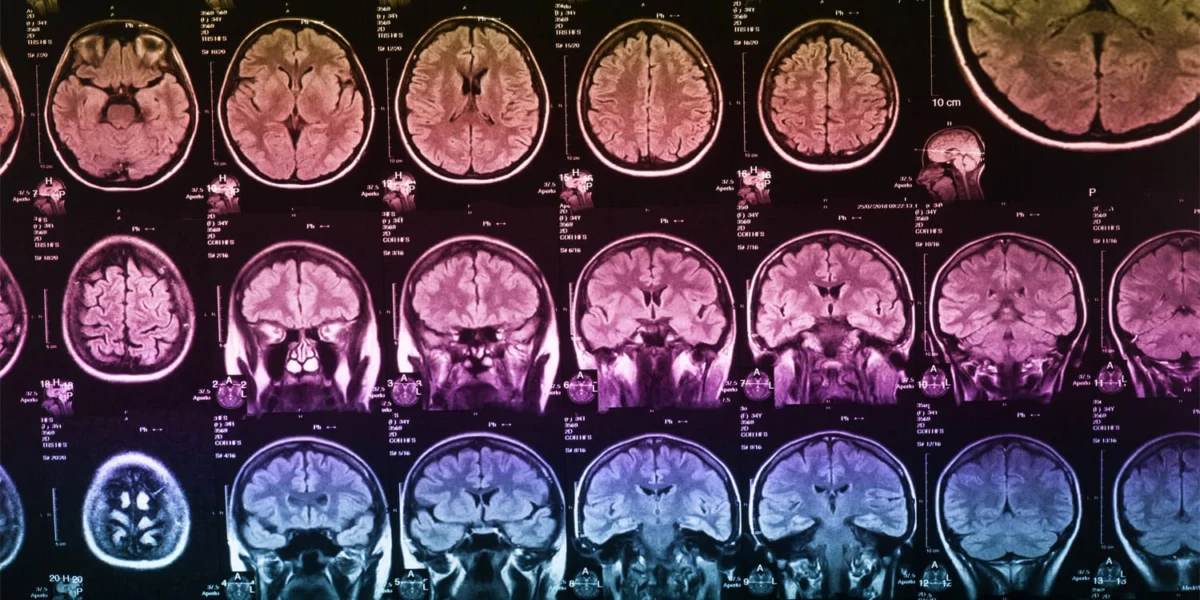
To accurately evaluate how these substances alter brain function, the researchers utilized positron emission tomography (PET), a sophisticated imaging technique that tracks the utilization of glucose—the primary metabolic fuel for cerebral cells. By measuring the spatial distribution of a radioactive glucose tracer, scientists can effectively identify which neural regions exhibit heightened metabolic activity and which remain suppressed. Historically, human neuroimaging—such as a landmark 1997 positron emission tomography study—demonstrated that psilocybin significantly increased metabolic activity within the frontal cortex. The new study sought to expand upon this historical foundation by conducting a longitudinal evaluation of psilocybin, LSD, and 2C-B across specific, interconnected neuroanatomical networks.
Methodology and Experimental Design
The study utilized a cohort of 48 adult rats, divided equally into four experimental groups of 12 subjects. Three groups were administered a single systemic injection of either psilocybin (1 milligram per kilogram), LSD (0.3 milligrams per kilogram), or 2C-B (3 milligrams per kilogram), while the fourth group received a control injection of physiological saline. To ensure high translational validity, the research team verified in a separate cohort of nine subjects that these specific dosages successfully occupied between 51% and 70% of the animals’ serotonin 2A receptors—a receptor occupancy threshold widely correlated with intense, active psychedelic states in human clinical settings.
Establishing these precise functional dosages, however, revealed a significant translational hurdle inherent in neuropharmacological research. When scaling the required dosage of LSD by standard body weight metrics, the researchers uncovered an unexpected metabolic discrepancy. The effective dose administered to the rats—0.3 milligrams per kilogram—would equate to approximately 21 milligrams in a 70-kilogram human, a quantity roughly two hundred times larger than a standard human recreational or clinical dose of 0.1 milligrams.
Dr. Palner noted that the underlying reasons for this vast disparity remain partially unclear, though rodent physiology is known to possess robust protective mechanisms against various neurotoxins that may metabolize or neutralize the compound more rapidly. This finding underscores a pervasive methodological flaw in preclinical psychedelic research: scientists cannot reliably extrapolate human dosages purely on a per-kilogram body weight basis without directly measuring target receptor occupancy and biological effects to bridge the translational gap between rodents and humans.
Chronology of Imaging and Metabolic Shifts
Throughout the experimental protocol, each subject underwent three distinct PET imaging sessions. An initial baseline scan established pre-drug metabolic metrics. A second, acute scan captured immediate cerebral changes shortly following the administration of the drugs. Finally, a long-term scan was conducted exactly one week later to evaluate sustained neuroplastic adjustments. During each imaging window, the subjects were administered the radioactive glucose tracer and allowed to remain awake in a controlled environment for 45 minutes to facilitate cerebral absorption, followed by a brief period of light anesthesia for the 35-minute PET scanning procedure.
Because the administration of all three psychedelics resulted in a general suppression of overall glucose uptake across the entire brain—a phenomenon the authors attribute partly to drug-induced reductions in local cerebral blood flow—raw imaging data required mathematical normalization. By calculating relative metabolic changes (how much glucose a specific brain region absorbed compared to the global cerebral average), the researchers successfully isolated localized spikes and drops in neural activity.
The acute imaging phase revealed distinct, drug-specific metabolic signatures. Psilocybin administration prompted a relative increase in energy consumption within the dorsal striatum, a deep subcortical structure heavily involved in motor control and habit formation, as well as within the insula, a key region governing emotional processing and interoceptive self-awareness. Interestingly, unlike historical human imaging data, the rat model exhibited no significant psilocybin-induced metabolic alterations within frontal cortical regions.
Conversely, LSD administration was characterized by widespread metabolic reductions across the neocortex, paired with concurrent hypermetabolism in midbrain structures and core emotional centers, including the amygdala and hypothalamus. The compound 2C-B shared several topographical features with LSD—notably decreased frontal cortex activity and heightened midbrain metabolism—yet its impact on dopamine-producing midbrain centers was significantly more pronounced, forming a distinct metabolic hotspot during whole-brain analysis. Both 2C-B and psilocybin successfully increased relative activity within the insular cortex.
Long-Term Plasticity and Network Dynamics
When the research team evaluated the long-term scans conducted one week post-injection, the acute metabolic spikes and depressions had largely dissipated, yet unique functional network modifications persisted. Psilocybin left a sustained neuroplastic trace characterized by elevated metabolism within the insula and a strengthened functional coupling between the insula and the prefrontal cortex—the sole network-level alteration in the study that survived rigorous statistical correction for multiple comparisons.
LSD demonstrated minimal lasting metabolic alterations at the one-week mark, with most acute changes fully resolved. Meanwhile, 2C-B exhibited sustained functional effects localized primarily within dopamine-synthesizing midbrain regions, conspicuously lacking the protracted cortical footprint observed following psilocybin and LSD administration. These divergent trajectories strongly suggest that single administrations of these compounds initiate entirely separate cascades of neuroplastic reorganization.
Implications for Psychiatric Therapeutics
Although the study was performed exclusively on healthy animal subjects without evaluating behavioral outcomes, the authors offer theoretical frameworks regarding potential therapeutic matching for human psychiatric disorders. Given their pronounced impact on the insular cortex, psilocybin and 2C-B could theoretically hold greater efficacy for clinical conditions characterized by aberrant anxiety or disturbed bodily awareness. Furthermore, psilocybin’s tentative modulation of circuitry involving the orbitofrontal cortex suggests a potential avenue for addressing impulse-control disorders, such as obsessive-compulsive disorder. Conversely, LSD’s distinct interaction with midbrain-striatal reward circuits might eventually warrant investigation in the context of substance use disorders.
Dr. Palner emphasized the critical importance of these distinctions for the burgeoning psychiatric pharmaceutical industry. As legislative frameworks evolve and research funding expands, the medical community must recognize that individual psychedelic compounds possess unique pharmacological profiles and clinical utilities. Assuming therapeutic equivalence across all psychedelic agents could lead to misdirected clinical trial designs and suboptimal patient outcomes.
Methodological Considerations and Future Directions
While the study provides robust empirical data, the authors acknowledge several inherent limitations. The utilization of relative metabolic measurements means that apparent increases in specific regions could mathematically reflect global reductions elsewhere in the brain. Furthermore, because each drug’s effects were evaluated relative to the subjects’ own baselines rather than through direct head-to-head statistical comparisons between the active drug groups, future investigations will be required to directly contrast the compounds against one another.
Additionally, slight variances in receptor occupancy levels across the three drug groups (ranging from 51% to 70%) introduce the possibility that certain observed neurobiological differences stem partially from variations in subjective intensity rather than purely qualitative pharmacological distinctions. The sample sizes were relatively modest, consisting of 11 to 12 subjects per group, and the majority of secondary network covariance changes did not survive stringent corrections for multiple statistical comparisons.
Despite these constraints, the research team maintains that the robustness of the primary findings demonstrates clear pharmacological divergence. Because the investigation was conducted in healthy rodent models absent of behavioral paradigms or subjective human experiential reporting, the direct translational link to specific psychiatric symptoms remains a vital frontier for upcoming research initiatives.
The study, titled Serotonergic psychedelics induce distinct patterns of metabolic activity and covariance within biologically informed rat brain networks, was collaboratively authored by Frederik Gudmundsen, Julia Czurylo, Daniel R. Rijsketic, Camilla Trang Vo, Janika Fortunato, Naja S. Jessen, Sophie Woodruff, Christina Baun, Matthias M. Herth, Vladimir Shalgunov, Boris D. Heifets, Patrick M. Fisher, and Mikael Palner. In the interest of scientific transparency, lead investigator Mikael Palner disclosed holding financial equity interests in Compass Pathways and ATAI Life Sciences, commercial biotechnology entities actively engaged in the clinical development of psychedelic-derived therapeutics.