Nila Kartika Wati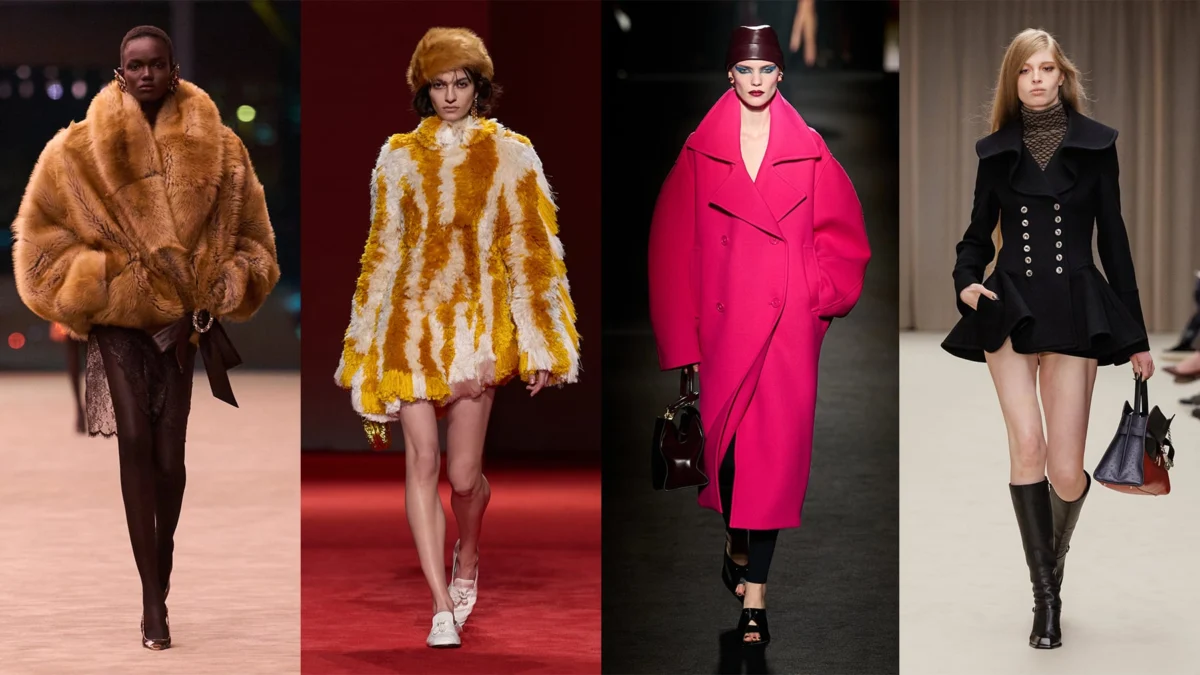
The recent, high-visibility takeover of Times Square by Gucci, a flagship brand within the Kering luxury conglomerate, has thrust the Italian fashion house back under intense scrutiny. This prominent display coincides with Kering’s annual shareholders’ meeting, scheduled for Thursday, presenting a critical juncture for investors to directly engage with Chief Executive Officer Luca de Meo regarding his strategic roadmap for revitalizing the French group’s diverse portfolio of luxury brands. The performance of Gucci, along with the overarching strategy for the group’s other prominent houses such as Saint Laurent, Bottega Veneta, Balenciaga, and Alexander McQueen, will undoubtedly be central to investor discussions.
The Gucci Spectacle: A Bold Statement or a Sign of Desperation?
Gucci’s audacious presence in Times Square, a globally recognized nexus of commerce and culture, was an undeniable spectacle. Occupying prime advertising real estate, the brand aimed to project an image of renewed energy and cultural relevance. This move comes at a pivotal time for Gucci, which has experienced a slowdown in recent years, lagging behind the growth trajectories of some of its key competitors. The brand’s creative direction has undergone significant shifts, most notably the departure of Alessandro Michele in late 2022, whose tenure was synonymous with a maximalist, eclectic aesthetic that resonated strongly with a generation of consumers. His successor, Sabato De Sarno, has embarked on a more subdued, yet sophisticated, creative direction, a transition that is still being assessed by the market.
The Times Square activation can be interpreted as an attempt to solidify this new brand identity and capture the attention of a global audience. It signals a clear intention to reclaim Gucci’s position as a dominant force in the luxury landscape. However, for seasoned investors, such overt displays also raise questions about the underlying financial performance and the long-term strategy. Is this a confident assertion of brand strength, or a calculated gamble to reignite flagging momentum? The timing of this high-profile marketing push, just before a crucial investor meeting, suggests a desire to project an image of dynamism and forward momentum to shareholders.
Kering’s Broader Portfolio: Navigating a Shifting Luxury Market
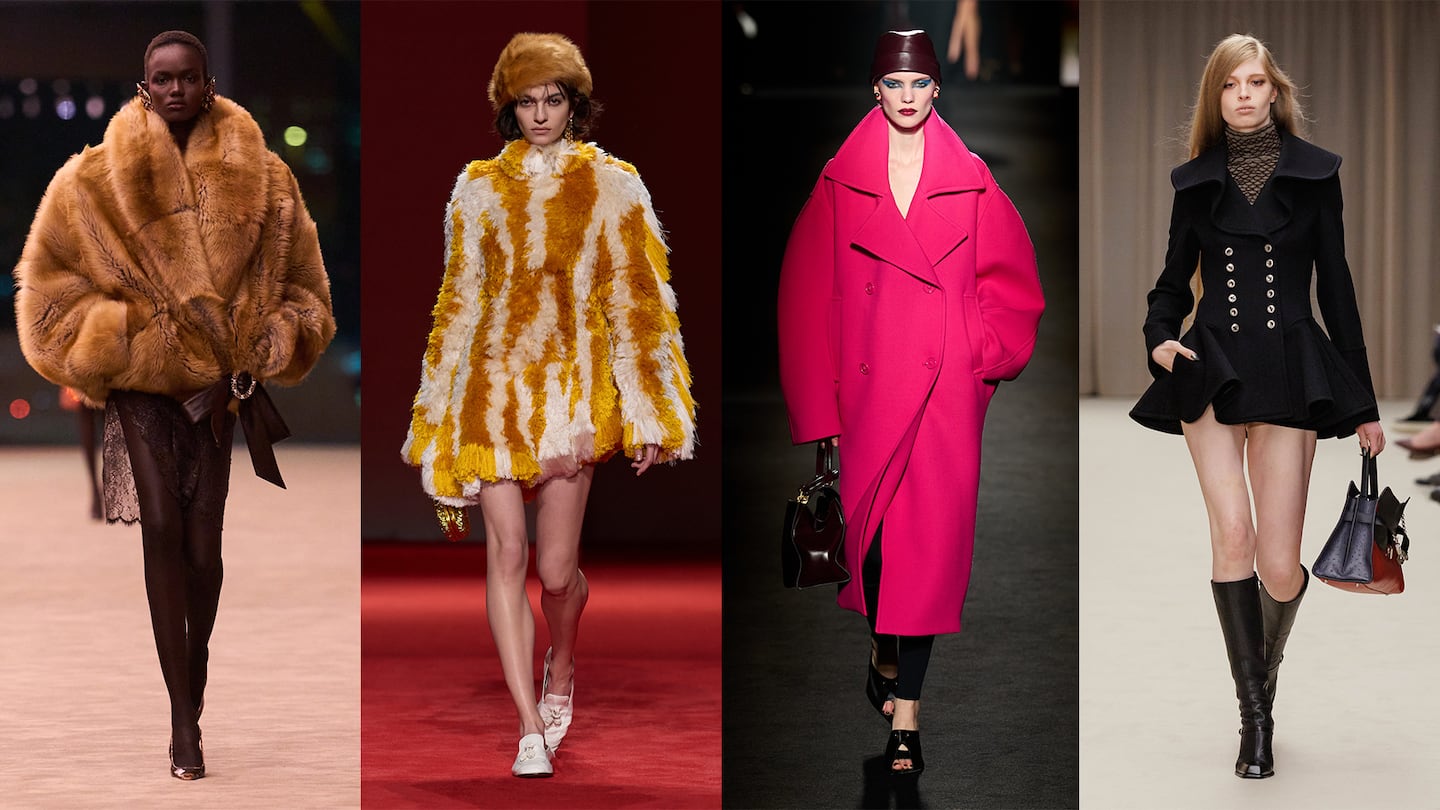
While Gucci garners significant attention, Kering’s overall health and future trajectory depend on the performance of its entire stable of luxury brands. The group, headquartered in Paris, boasts a portfolio that includes some of the most esteemed names in fashion and jewelry. Saint Laurent, under the creative direction of Anthony Vaccarello, has consistently delivered strong results, characterized by its sophisticated and empowered silhouettes. Bottega Veneta, with its understated luxury and artisanal craftsmanship, has also maintained a loyal following and robust sales. Balenciaga, though having weathered some controversies, continues to push creative boundaries under Demna, attracting a younger, fashion-forward demographic. Alexander McQueen, known for its dramatic and artistic creations, remains a powerhouse of creative expression.
However, the luxury market is not monolithic. It is subject to economic fluctuations, shifting consumer preferences, and evolving geopolitical landscapes. Recent data from industry analysts indicates a potential cooling of the post-pandemic luxury boom, with consumers becoming more discerning and value-conscious. Competitors are also investing heavily in innovation, digital engagement, and sustainability initiatives. Kering, therefore, faces the complex challenge of ensuring each of its brands thrives within its unique market segment while also contributing to the group’s overall growth and profitability.
Investor Expectations and Luca de Meo’s Mandate
The annual shareholders’ meeting provides a platform for investors, who collectively hold significant stakes in Kering, to demand clarity and accountability. Luca de Meo, who took the helm of Kering in February 2023, has been tasked with a formidable challenge: to navigate the group through this evolving luxury landscape and ensure sustained growth across its diverse brands. Investors will be keen to hear De Meo’s detailed plans for Gucci’s revival, including marketing strategies, product development pipelines, and any potential adjustments to its creative direction.
Beyond Gucci, shareholders will likely inquire about the group’s overarching strategy for portfolio management. This could include discussions on:
- Brand Investment Allocation: How will Kering prioritize investment across its brands to maximize returns?
- Digital Transformation: What are the group’s plans to enhance its e-commerce capabilities, leverage digital marketing, and engage with consumers online?
- Sustainability Initiatives: How is Kering integrating environmental and social responsibility into its operations and brand narratives, a growing concern for many luxury consumers?
- Geographic Market Strategies: What are the key growth markets for Kering, and what are the strategies for penetrating and expanding within them, particularly in light of geopolitical shifts and varying economic conditions in regions like Asia and North America?
- Mergers and Acquisitions: Are there any potential acquisitions or divestitures on the horizon that could reshape the group’s portfolio?
The performance of Kering’s stock price in recent periods, which has seen fluctuations reflecting market sentiment towards the luxury sector and the company’s specific challenges, will add an extra layer of urgency to these investor discussions. Analysts have pointed to the need for Kering to demonstrate a clear path to regaining market share and driving organic growth, especially as competitors like LVMH continue to post strong results.
A Timeline of Kering’s Recent Past and Future Outlook
To understand the current context, it is useful to consider a brief chronology of Kering’s recent history and the strategic shifts that have led to this moment.
- 2020-2022: Kering experiences robust growth, largely driven by the exceptional performance of Gucci and Yves Saint Laurent. The post-pandemic surge in luxury spending benefits the group significantly.
- Late 2022: Alessandro Michele departs Gucci, marking the end of an era that defined a distinct aesthetic and significant commercial success for the brand. This announcement sends ripples through the industry and raises questions about Gucci’s future direction.
- February 2023: Luca de Meo is appointed CEO of Kering, succeeding François-Henri Pinault, who transitions to the role of Chairman. De Meo, with a background in automotive and industrial sectors, is tasked with a broader strategic oversight of the group.
- Mid-2023 onwards: Gucci begins its transition under new creative leadership, with Sabato De Sarno taking the reins. Initial collections are met with cautious optimism, with a focus on refining the brand’s codes and appealing to a more mature luxury consumer.
- Early 2024: Kering reports mixed financial results, with some brands showing resilience while Gucci’s performance continues to be a point of concern. Investor confidence begins to waver, and the need for a clear revitalization strategy becomes more pronounced.
- Recent Weeks: Gucci launches its high-profile Times Square campaign, signaling a renewed push for visibility and brand impact. This campaign is timed to precede the annual shareholders’ meeting.
- Present Day (Thursday): Kering’s annual shareholders’ meeting takes place, where investors will directly question Luca de Meo and the leadership team on their plans for the group’s future, with a particular focus on Gucci’s turnaround and the sustained growth of its other luxury houses.
Data and Analysis: Gauging the Challenges and Opportunities
Industry data provides further context for the challenges and opportunities facing Kering. According to reports from Bain & Company and Altagamma, the global personal luxury goods market, after a period of rapid expansion, is projected to see more moderate growth in the coming years. While still a resilient sector, it is characterized by increased competition and evolving consumer behaviors.
- Gucci’s Revenue: While specific quarterly figures would be available from Kering’s official reports, market analysis in recent periods has indicated a deceleration in Gucci’s sales growth compared to its peak years. This slowdown is attributed to factors such as creative transition, market saturation with its previous aesthetic, and increased competition from brands like Louis Vuitton and Dior.
- Brand Portfolio Performance: Kering’s diversified portfolio means that the performance of individual brands can significantly impact the group’s overall results. Saint Laurent and Bottega Veneta have often been highlighted as strong performers, providing a buffer against challenges faced by other brands.
- Geographic Dependence: The luxury market is heavily influenced by economic conditions in key regions. China, in particular, remains a crucial market, and any shifts in consumer spending or economic sentiment there have a direct impact on Kering’s sales. Similarly, the North American market, while robust, has also seen some signs of normalization after a period of exceptional demand.
- Digital Sales: The shift towards online luxury retail continues. Kering’s investment in its e-commerce platforms and digital engagement strategies is critical for capturing a significant share of this growing channel. Industry estimates suggest that online sales now account for a substantial portion of the luxury market.
Broader Implications for the Luxury Industry
The discussions at Kering’s shareholder meeting will have broader implications for the luxury industry. The strategies employed by Kering to navigate its portfolio challenges, particularly at Gucci, will be closely watched by competitors and industry observers. The emphasis on creative direction, brand storytelling, and consumer engagement remains paramount in a sector where emotional connection and aspirational appeal are key drivers of demand.
Furthermore, Kering’s approach to sustainability and responsible luxury will be increasingly important. Consumers, especially younger generations, are demanding greater transparency and ethical practices from the brands they support. How Kering addresses these concerns will not only impact its brand image but also its long-term viability and market positioning.
The coming months will be crucial for Kering as it seeks to implement its strategic vision. The success of Luca de Meo’s leadership will be measured by his ability to reignite growth across the group, maintain the distinctiveness and appeal of each of its iconic brands, and adapt to the ever-evolving dynamics of the global luxury market. The Times Square spectacle, while eye-catching, is merely one facet of a much larger and more complex strategic puzzle that Kering must solve to secure its future prosperity.