Ronny Sianturi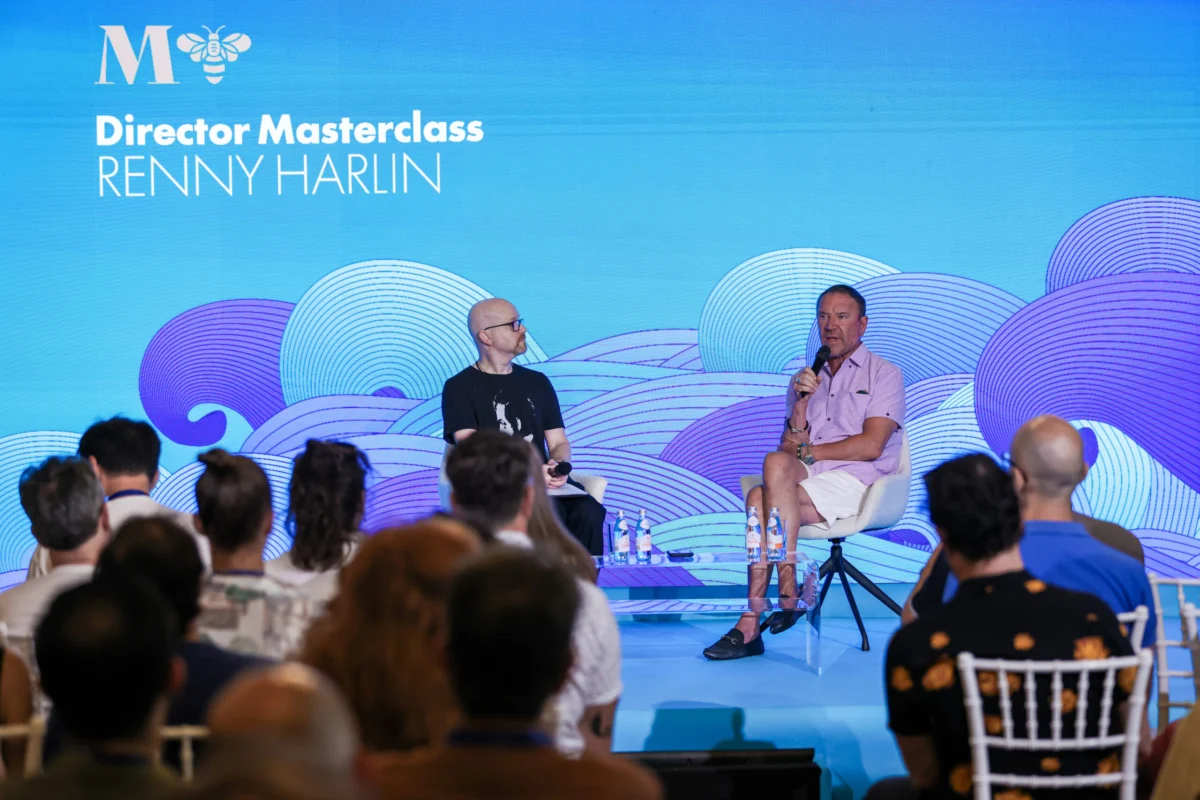
The seasoned filmmaker Renny Harlin, renowned for helming nearly four dozen films over five decades, recently shared his foundational philosophy for navigating the complexities of filmmaking and fostering strong relationships with actors. Speaking at a masterclass at Malta’s Mediterrane Film Festival in Valletta, Harlin emphasized that his success, particularly in collaborating with formidable stars like Bruce Willis, Samuel L. Jackson, Sylvester Stallone, and Val Kilmer, hinges on one crucial element: meticulous preparation. This dedication to pre-production, he explained, not only ensures technical proficiency but also builds the essential trust required to manage demanding talent and avert on-set chaos.
The Cornerstone of Harlin’s Craft: Preparation Beyond the Script
Harlin articulated his core principle during a conversation with moderator Steven Weintraub of Collider, stating, "It’s all about preparation. Preparation costs nothing." However, his definition of preparation extends far beyond the conventional. For Harlin, it involves an immersive dive into the technical and physical demands of his projects. He recounted his personal commitment to learning the skills necessary for the challenging stunts featured in his films.
"Whether I’m doing Cliffhanger in the mountains, Die Hard 2 in airplanes or Deep Blue Sea in water tanks, I learned how to mountain climb, I learned how to scuba dive, I learned how airplanes worked. Even for Cliffhanger, I learned how to fly a helicopter," Harlin elaborated. This hands-on approach, he believes, is the most valuable investment of a filmmaker’s time, ensuring readiness for any eventuality on set.
Winning Over Hollywood’s Toughest: The Power of Preparedness
This deep level of preparation, Harlin explained, has been instrumental in earning the respect and cooperation of some of the most experienced and "hard-nosed" actors in the industry. He specifically mentioned Sylvester Stallone, Bruce Willis, Samuel L. Jackson, Sir Ben Kingsley, and Val Kilmer as individuals he has successfully "won over" through his demonstrable expertise.
"That’s the way I won them over," Harlin stated, "whether it was Sylvester Stallone or Bruce Willis or Samuel Jackson or Sir Ben Kingsley and so on. Or, Val Kilmer, who had a reputation for not being the easiest." He further elaborated on the dynamic: "But I’ve always managed to win them over by the fact that when I show up for the movie, I’m prepared and they can ask me any question about anything and I know exactly how these things are done technically and how they work."

This detailed knowledge allows Harlin to provide actors with precise guidance on equipment and usage, fostering a sense of security and trust. "I tell them exactly what equipment they need, how they need to use it, and I win their trust," he said. He further analyzed the actor-director relationship, noting that actors often feel immense pressure and insecurity when exposing themselves on screen. This vulnerability, coupled with their intelligence, can lead to a desire for control if they perceive the director as less knowledgeable. "And if they feel that they know the movie and their character better than the director, then they tend to take over because they feel that their responsibility to protect themselves is to take control. That’s when you get those horror stories where actors run all over the directors and the whole thing ends up in chaos."
The Val Kilmer Encounter: A Test of Wills and Preparation
Harlin recounted a notable instance where his preparedness proved decisive, specifically during the filming of the 2004 thriller Mindhunters, which also featured LL Cool J and Christian Slater. The film, which followed a group of FBI trainees on a remote island who find themselves hunted by a serial killer, saw Kilmer portraying FBI instructor Jake Harris.
"Bless his soul. We became good friends," Harlin said of Kilmer, who, according to a Hollywood Reporter report, passed away in 2025 at the age of 65. "Val was famous for testing directors always because he was a Mensa member, a highly, highly intelligent man and very talented. His style was to test the director early enough [in the project] to see who was the smartest guy in the room. I think he was quite insecure also and felt that if he doesn’t feel like he can respect the director, then he has to take over because otherwise it’s going to be a disaster."
Harlin described a tense moment on the Mindhunters set. After a successful first day of shooting a particular sequence, on the second day, as Harlin was about to call "action," Kilmer, who had been studying his script with glasses on, expressed a sudden creative decision. "Val goes to his mark and camera is ready to roll. He puts his script away, and he still has his glasses on. I said, ‘Hey, Val, just take the glasses off. We are ready to go.’ He looks at me and says, ‘No.’ I’m like, ‘What do you mean no?’ He says, ‘Well, I thought about my character last night and he’s really quite a studious type. I think it was a mistake that I didn’t have the glasses yesterday. So I got these glasses this morning and I’m going to wear them from now on.’"
Harlin immediately recognized the continuity issue, as a significant portion of the scene had already been filmed without the glasses. Kilmer’s response was uncompromising: "Well, I guess then we have to reshoot what we shot yesterday, but I’m going to wear glasses from now on."
Faced with this challenge, Harlin chose direct confrontation. "I just went right to his face in front of everybody – cameras are ready to roll and the whole cast is there – and I looked him in the eyes and I said, ‘Val, take off the fucking glasses now.’" The tension was palpable, with the crew and cast anticipating a potential conflict. Kilmer’s reaction, however, was a display of his characteristic wit. He removed the glasses, flashed his "Iceman" smile from Top Gun, and remarked, "It was worth trying." This exchange, Harlin suggested, demonstrated Kilmer’s method of testing a director’s resolve and Harlin’s ability to stand his ground, solidifying their working relationship.

The Mediterrane Film Festival: A Platform for Cinematic Insight
The masterclass at the Mediterrane Film Festival in Valletta, held on June 26, 2026, provided a significant platform for filmmakers and industry professionals to engage with Harlin’s extensive experience. The festival, which aims to celebrate and promote filmmaking within the Mediterranean region and beyond, attracts a diverse range of talent and offers valuable networking and educational opportunities. Harlin’s participation underscored the festival’s commitment to bringing world-renowned directors to share their insights and methodologies with a global audience. The event provided an intimate setting for Harlin to delve into the nuances of his long and successful career, offering practical advice that resonates with aspiring and established filmmakers alike. His wife, producer Johanna Kokkila, was also present, highlighting the personal and professional support systems that often underpin a successful career in the demanding film industry.
Broader Implications: The Enduring Value of Diligence in Filmmaking
Harlin’s emphasis on preparation transcends individual film projects; it speaks to a broader philosophy of professionalism and respect within the collaborative environment of filmmaking. In an industry often characterized by tight schedules and immense pressure, the ability of a director to demonstrate thorough command of the technical and creative aspects of a film can be the deciding factor in maintaining artistic integrity and fostering a productive atmosphere.
The implications of Harlin’s approach are significant. For emerging directors, his advice serves as a crucial reminder that while creative vision is paramount, it must be underpinned by diligent research and technical understanding. This not only empowers them to execute their vision effectively but also builds credibility with actors, crew members, and producers. For actors, a prepared director can alleviate anxieties, allowing them to focus on their performances without concerns about the logistical or technical feasibility of their roles.
In an era where the lines between director and actor can sometimes blur due to the influence of star power, Harlin’s strategy reinforces the established hierarchy of the director as the primary visionary and logistical orchestrator. His anecdotes, particularly the one involving Val Kilmer, illustrate that while accommodating creative input is important, a director must also possess the confidence and conviction to uphold the integrity of the production plan, especially when faced with challenges that could derail the filmmaking process. This balance of collaborative spirit and firm leadership, rooted in unwavering preparation, appears to be the enduring secret to Renny Harlin’s remarkable and sustained career in Hollywood.