Prabowo Widodo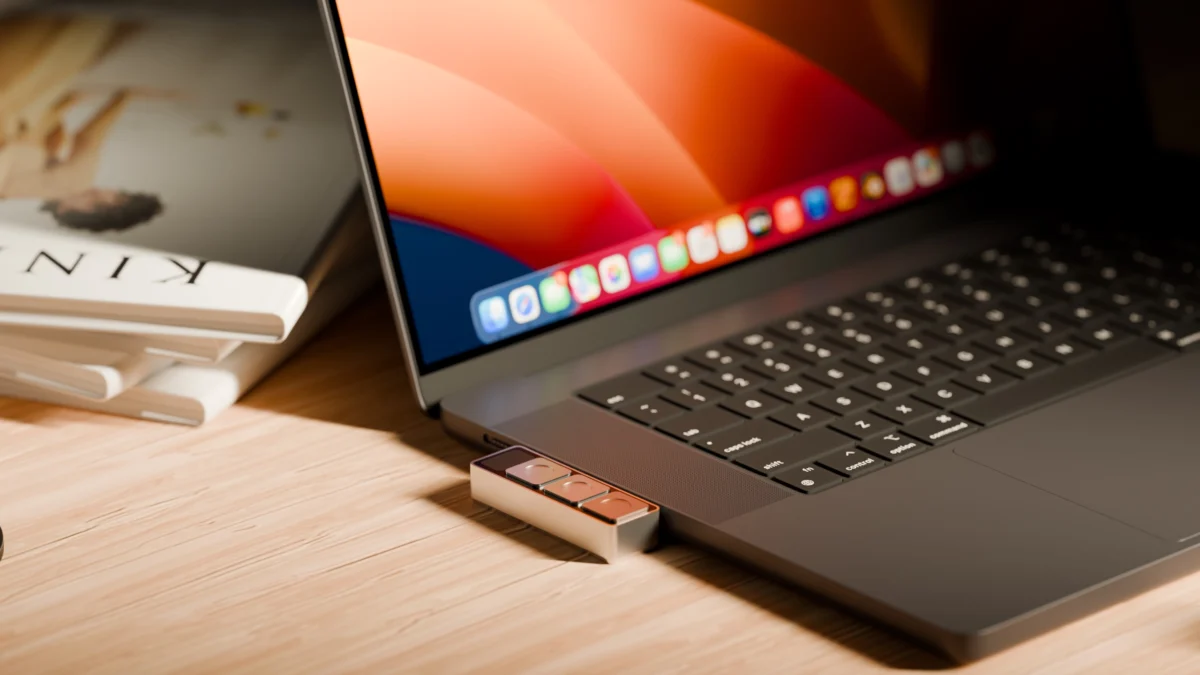
Project Mirage has officially launched Dune, a compact, three-key aluminum keypad designed to address a common frustration in the modern digital workspace: the inconsistency of software shortcuts. Priced at an introductory $119, rising to $149, Dune directly plugs into a MacBook’s USB-C port, offering a physical, tactile solution for controlling various applications through context-aware shortcuts and sophisticated automation, primarily aimed at enhancing productivity for Mac users.
The genesis of Dune lies in the widespread challenge of "shortcut fatigue" exacerbated by the proliferation of diverse meeting applications and productivity suites. In an era where remote and hybrid work models have become standard, professionals often navigate multiple platforms like Zoom, Microsoft Teams, Google Meet, and Webex, each with its unique set of keyboard shortcuts for essential functions such as muting a microphone or toggling a webcam. This inconsistency frequently leads to fumbling for the correct key combination during critical moments in virtual meetings, disrupting workflow and potentially causing awkward interruptions. The demand for a universal, intuitive control mechanism that transcends individual application mappings has been a persistent undercurrent in the user experience discourse, and Dune positions itself as a direct response to this need.
Addressing the Modern Productivity Predicament
The shift to remote work, accelerated by global events in recent years, has profoundly reshaped how individuals interact with their digital tools. Statistics from various industry reports indicate that a significant percentage of the global workforce continues to operate remotely or in hybrid arrangements. For instance, a 2023 survey by Gartner revealed that 82% of company leaders plan to allow remote work at least part of the time, highlighting the enduring nature of this trend. This widespread adoption has simultaneously brought to the fore inefficiencies inherent in managing a fragmented digital ecosystem. The average knowledge worker juggles multiple applications daily, from communication tools to project management platforms, each demanding a different set of memorized commands. This cognitive load, while seemingly minor for each individual shortcut, accumulates over a workday, contributing to mental fatigue and a measurable reduction in efficiency.
Traditional solutions, such as programmable macro keypads, have existed for years, offering customizable buttons for complex command sequences. However, many of these devices often require extensive manual setup, lack seamless integration with operating systems, or are designed for niche applications like gaming or broadcasting. Dune differentiates itself by offering a compact, elegantly designed hardware solution that is deeply integrated with macOS and leverages artificial intelligence to simplify customization and enhance its utility across a broad spectrum of professional use cases.
Dune’s Core Functionality and Design Philosophy
At its heart, Dune is a minimalist, three-key aluminum keypad roughly the size of a stick of gum. Its primary innovation lies in its context-aware functionality, meaning the actions assigned to its three buttons dynamically change based on the active application or website. For example, when a user is in a video conferencing application, Dune’s keys might be configured to toggle the microphone, toggle the video feed, and bring the meeting window to the front. Switching to a spreadsheet application like Excel or Google Sheets, the same three keys could instantly transform into "copy," "paste," and "undo." In a web browser like Chrome, they might become "refresh," "jump to URL bar," and "paste." This adaptive nature significantly reduces the mental overhead associated with recalling app-specific shortcuts, streamlining common tasks.
The device’s physical design underscores Project Mirage’s commitment to integration and aesthetics. Each Dune unit is custom-built to match specific Mac models, ensuring it sits flush against the laptop without any unsightly gaps. This bespoke manufacturing approach highlights a focus on premium user experience and seamless hardware integration, a hallmark of Apple’s own design philosophy. The keypad operates without an internal battery, drawing power directly from the MacBook’s USB-C port, eliminating the need for separate charging cables or concerns about battery life. For users with limited USB-C ports, Dune can also connect via a dongle, offering flexibility without compromising its core functionality.
Initial User Experience and Design Refinements
Early feedback from users indicates a generally positive reception to Dune’s concept and aesthetic. The device’s premium aluminum construction and compact form factor contribute to a sense of quality and portability. However, some initial observations have pointed to areas for potential refinement, particularly regarding the tactile feedback of the keys. Reports suggest that the keys, while responsive, may lack sufficient resistance, leading to accidental presses. In a professional setting, an unintended mute or camera toggle can be disruptive, underscoring the importance of precise and deliberate key actuation. Project Mirage is likely to consider such user feedback as it iterates on the product, potentially exploring different switch mechanisms or keycap designs to enhance the user’s tactile experience and prevent inadvertent actions.
The Power of the Companion App and AI Integration
Dune’s hardware is complemented by a sophisticated companion application that serves as the central hub for customization and extended functionalities. This application allows users to configure shortcuts either system-wide or on a per-app basis, assigning Dune keys to standard keyboard shortcuts, specific commands, or even links that open applications or URLs. This granular control empowers users to tailor Dune precisely to their individual workflows.
A standout feature of the companion app is its deep integration with calendar services. Dune can sync with a user’s calendar, proactively surfacing details of upcoming meetings a few minutes before they commence. This allows users to join, dismiss, or send an "I’m running late" message with a single tap of a Dune key, further streamlining the often-disjointed process of managing a busy meeting schedule. This proactive functionality transforms Dune from a mere shortcut device into a genuine productivity assistant.

Beyond standard shortcut mapping, Project Mirage has pushed the boundaries of customization through advanced integration options. For power users and developers, Dune supports the execution of custom Python scripts, enabling highly complex automation scenarios limited only by the user’s coding abilities. This feature positions Dune as a versatile tool for professionals in technical roles who frequently automate tasks or interact with development environments.
However, the most revolutionary aspect of Dune’s software ecosystem is its seamless integration with Claude Desktop, an AI assistant. This feature democratizes advanced automation, making it accessible even to users without coding expertise. Users can describe the desired shortcut or automation in plain language within the Claude Desktop interface, and Claude will automatically generate the necessary script and assign it to a Dune key for the specified application. This "no-code" automation capability is a significant leap forward, drastically lowering the barrier to entry for complex workflow customization.
For example, a user could simply state, "When I’m on a startup’s website, pull up a quick brief on the company: its competitors, investors, and questions I might ask if I booked a meeting with them." Claude would then interpret this command, write the underlying logic to fetch and display this information, and assign it to a Dune key. This capability is particularly valuable for roles requiring rapid information synthesis, such as venture capitalists, startup founders evaluating competitors, or business development professionals. Another practical application demonstrated involves converting images to JPEG format for quick uploading to content management systems or social media platforms, a common pain point for content creators. While initial debugging and refinement with Claude may still require some iterative interaction, the potential for intelligent, natural-language-driven automation is immense.
Building a Community and the Future of the Marketplace
Project Mirage envisions Dune as more than just a hardware device; it aims to cultivate a vibrant ecosystem around its capabilities. The companion app includes a marketplace where Dune owners can explore and share "skills" – pre-configured shortcuts and automations created by other users. If this marketplace gains traction, it could become a cornerstone of Dune’s growth and retention strategy, transforming the hardware into a "thin front end" for a dynamic, Claude-powered skills ecosystem. Each new, useful skill added to the marketplace provides existing owners with additional value and new users with compelling reasons to invest in the platform.
However, the marketplace is currently in its nascent stages, offering a limited selection of skills. To maximize its potential, Project Mirage will need to actively encourage community contributions and, crucially, proactively develop and offer a broader range of its own suggested skills tailored for various popular applications. Furthermore, user experience could be significantly enhanced by implementing a "preview" function within the app, allowing users to test out a skill’s functionality before committing it to a hardware button. This would reduce trial-and-error and improve the overall confidence in adopting community-contributed automations.
Market Positioning and Competitive Landscape
The market for productivity peripherals and macro keypads is increasingly competitive, yet Dune carves out a unique niche. Existing solutions like MuteMe focus exclusively on microphone and camera toggling, offering a limited scope of functionality. More comprehensive devices like Elgato’s Stream Deck provide extensive macro capabilities, popular among streamers and content creators, but often come with a steeper learning curve for customization and may not offer the same level of seamless, context-aware integration with macOS applications or AI-powered setup.
Dune’s strength lies in its blend of elegant hardware design, deep macOS integration, and an accessible, AI-driven customization process. By leveraging Claude Desktop, Project Mirage democratizes advanced automation, making it available to a broader audience beyond seasoned programmers. This positions Dune as a highly adaptable and user-friendly solution for everyday productivity challenges, particularly within the Mac ecosystem. Its targeted approach to solving "shortcut fatigue" in a world dominated by varied software interfaces gives it a distinct advantage.
Broader Implications for Productivity and Human-Computer Interaction
The introduction of Dune by Project Mirage represents more than just a new peripheral; it signals a broader trend in the evolution of human-computer interaction and personal productivity tools. The device exemplifies a move towards more intelligent, context-aware hardware that anticipates user needs and adapts to their workflow in real-time. This approach minimizes cognitive load and friction, allowing users to remain focused on their core tasks rather than the mechanics of interface navigation.
The integration of AI, specifically through Claude Desktop, into the customization process is particularly noteworthy. It demonstrates a future where complex automation is no longer the exclusive domain of coders but is accessible through natural language. This "AI-as-an-enabler" model could profoundly impact how users interact with their devices, fostering a more intuitive and personalized computing experience. As AI capabilities advance, we can anticipate even more sophisticated and seamless integrations into everyday tools, making devices like Dune pioneers in this emerging landscape.
Furthermore, Dune’s focus on the Mac ecosystem, supporting M2 Air or later and M1 Pro or later models running macOS 15 Sequoia or newer, highlights a strategic decision to target a user base often characterized by its appreciation for premium design, integrated experiences, and robust software. While this currently limits its market reach, it allows Project Mirage to deliver a highly optimized and polished experience for its target audience. Future iterations or expansions to other operating systems could broaden its appeal, but for now, it stands as a testament to the potential of specialized hardware designed for specific, high-value user segments.
In conclusion, Project Mirage’s Dune is a compelling entry into the productivity hardware market. By intelligently combining elegant design, context-aware functionality, and accessible AI-driven customization, it offers a powerful solution to common workflow inefficiencies. While early user feedback on key resistance and the nascent state of its marketplace present opportunities for refinement, Dune’s innovative approach positions it as a significant tool for Mac users seeking to enhance their digital productivity and navigate the complexities of modern multi-application environments with greater ease and efficiency. Its success will not only be measured by sales but also by its ability to foster a vibrant community and evolve its AI-powered ecosystem, potentially setting a new standard for intelligent peripheral devices.