Kang Muslim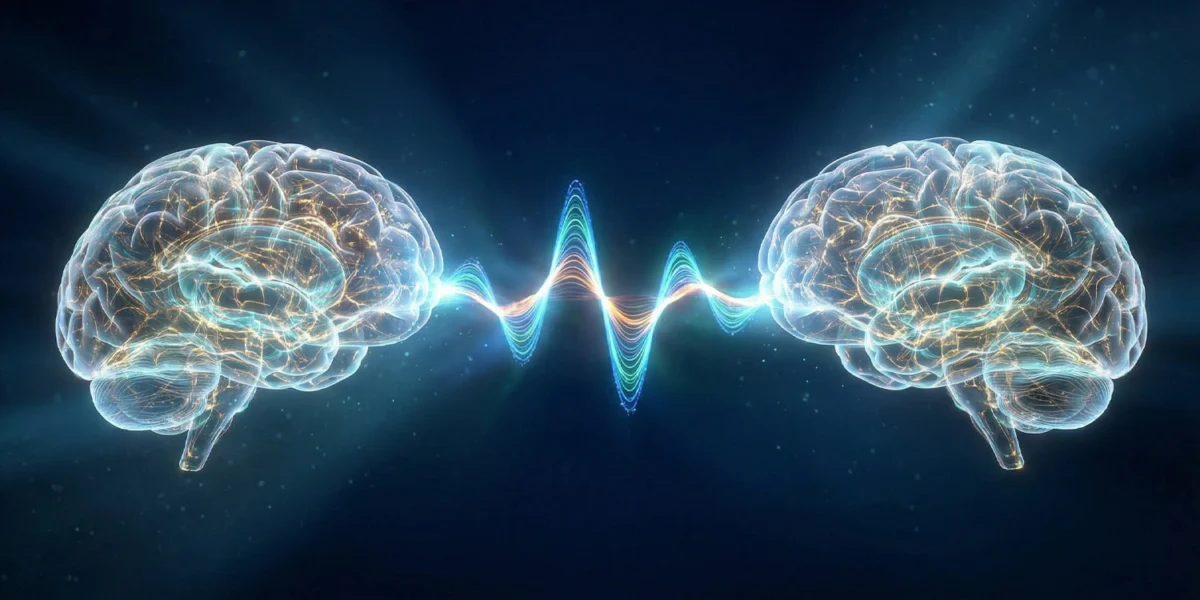
The Science of Neural Alignment and Hyperscanning
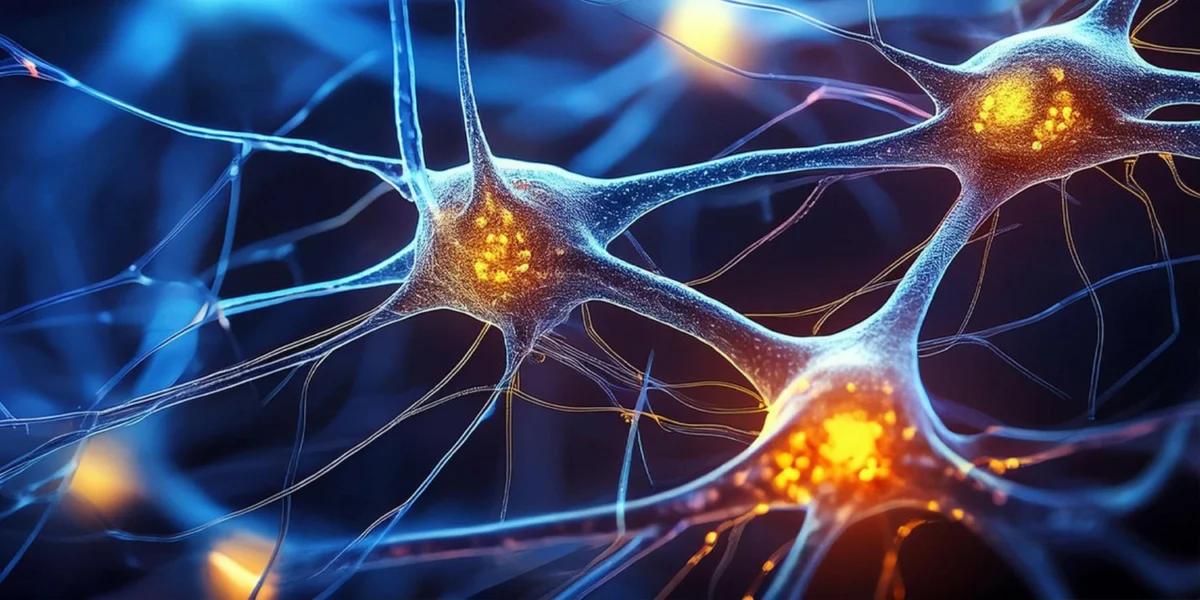
Inter-brain synchrony, often referred to as "neural coupling," is a hallmark of human social interaction. When two people engage in conversation, perform music together, or solve a collective problem, their neural activity often mirrors one another. To capture this ephemeral connection, researchers utilize a method known as hyperscanning. This technique involves the simultaneous recording of brain activity from two or more individuals, allowing scientists to observe how social dynamics are reflected in real-time biological data.
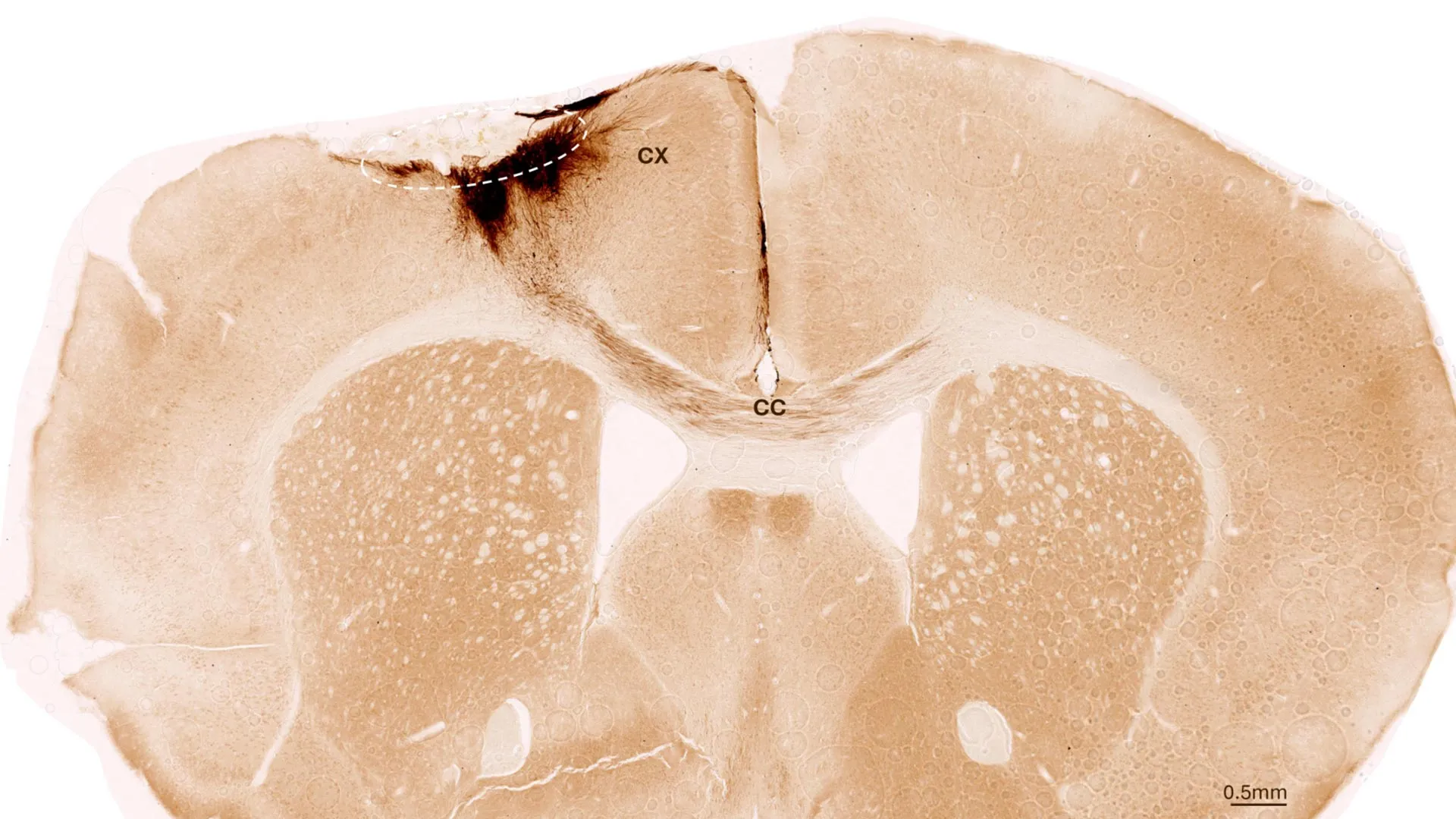
The NTU study, led by researchers S.H. Jessica Tan, S.P. Jessie Leuk, and Wei-Peng Teo, focused on two primary regions of the "social brain": the prefrontal cortex (PFC) and the right temporoparietal junction (rTPJ). The PFC is widely recognized as the seat of executive function, responsible for complex decision-making, planning, and the moderation of social behavior. The rTPJ, located where the temporal and parietal lobes meet, is a critical hub for "Theory of Mind"—the cognitive ability to understand that others have beliefs, desires, and intentions different from one’s own. By focusing on these areas, the researchers aimed to determine whether the synchronization of these specific regions is the engine driving teamwork or merely a passenger in the process.
Experimental Framework: The Tetris Collaboration
To test the causal links between brain activity and cooperation, the research team recruited 33 pairs of same-gender strangers. The choice of strangers was intentional, ensuring that the neural alignment observed was a result of the task at hand rather than pre-existing social bonds or familiar communication patterns. The participants were tasked with playing the classic puzzle game Tetris across three distinct experimental sessions.
The experimental design separated the gameplay into two modes: individual and collaborative. In the individual mode, each participant managed their own game. In the collaborative mode, however, the pair had to operate as a single unit. The researchers introduced a specific constraint: one participant was responsible solely for moving the Tetris blocks (tetrominoes) left and right, while the other was responsible solely for rotating them. Crucially, the participants were prohibited from speaking. This forced the pairs to rely on non-verbal cues, anticipation, and a shared understanding of the game’s logic to succeed.
To monitor brain activity, the team employed functional near-infrared spectroscopy (fNIRS). Unlike traditional MRI, which requires subjects to remain motionless in a tube, fNIRS uses wearable sensors that track blood-oxygen levels in the brain via infrared light. This allows for a more naturalistic setting, which is essential for studying social interactions.
Introducing Causality via Transcranial Magnetic Stimulation
A significant departure from previous observational studies was the use of transcranial magnetic stimulation (TMS). The researchers sought to move beyond correlation and investigate whether they could actively manipulate teamwork by altering brain activity. Specifically, they targeted the rTPJ using a protocol called theta-burst stimulation (TBS).
The study utilized three different stimulation conditions across the three sessions:
- Inhibitory (cTBS): A continuous burst designed to temporarily reduce neural excitability in the rTPJ.
- Excitatory (iTBS): An intermittent burst designed to temporarily boost neural excitability in the rTPJ.
- Sham/Baseline: A control session where no active stimulation was applied.
By stimulating only one member of each pair, the researchers wanted to see if disrupting or enhancing the "social hub" of one individual would ripple through the partnership, affecting either their ability to synchronize their brain waves or their ability to score points in the game.
The Paradox of Performance and Synchrony
The results of the study provided a startling contradiction to common theories of organizational psychology. The fNIRS data confirmed that inter-brain synchrony was significantly higher during collaborative play than during individual play, particularly within the prefrontal cortex. This confirmed that the act of working together does indeed "wire" brains together.
However, when the researchers analyzed the game performance—measured by the number of lines cleared and the execution of "combination moves" (clearing multiple lines simultaneously)—they found a negative correlation with neural synchrony. Pairs who showed the highest levels of prefrontal cortex alignment were actually less successful at coordinating complex, high-scoring moves.
This finding suggests that high synchrony might not be a sign of "flow" or "synergy," but rather a sign of "cognitive struggle." When a task becomes difficult or a partner’s actions become unpredictable, both individuals may have to exert more cognitive effort to predict each other’s moves, leading to a similar spike in brain activity. In this context, the synchronized brain waves may represent the shared effort of trying to resolve a lack of coordination, rather than the result of a well-oiled machine.
Resilience of the Social Connection
Interestingly, the application of TMS to the rTPJ did not significantly alter the participants’ performance or their level of inter-brain synchrony. The researchers posited that the human social brain is remarkably resilient. If one person’s neural activity is dampened or stimulated, the other partner may subconsciously compensate, adjusting their own behavior and neural output to maintain the "social link." This suggests that teamwork is a dynamic, self-correcting system that cannot be easily disrupted by targeting a single node in the network.
Furthermore, the subjective experience of the participants told a different story than the performance data. Regardless of their score or the type of brain stimulation they received, participants consistently reported liking their partners more after the collaborative sessions. This indicates that the act of cooperating, even when inefficient or unsuccessful, serves a powerful social bonding function. The "feeling" of being in sync may be more related to social cohesion than to the actual objective success of the mission.
Chronology of Research and Limitations
The study was conducted over multiple weeks, with each pair returning for three separate sessions. This timeline introduced a "learning effect," where participants became more proficient at Tetris and more familiar with their partner’s non-verbal cues over time. While the researchers accounted for this, it highlights the complexity of measuring "pure" social interaction in a lab setting.
The researchers also identified a potential confounding variable: shared visual input. Because both players were looking at the same falling blocks, their brains were processing identical visual information at the same time. This "stimulus-driven synchrony" can sometimes be mistaken for "interaction-driven synchrony." To address this in the future, the team suggests control groups where participants watch a recording of a game without active participation to isolate the neural signatures of true teamwork.
Broader Implications for Modern Society
The implications of the NTU study extend far beyond the realm of video games. In an era where "team building" and "synergy" are corporate buzzwords, this research suggests that we may be overvaluing the idea of being "on the same wavelength."
- Organizational Management: The finding that high synchrony can correlate with lower performance in complex tasks suggests that some level of "cognitive friction" or individual independence might be beneficial for strategic success. If a team is too synchronized, they may fall into a form of "neural groupthink," where the lack of diverse cognitive approaches leads to stagnation.
- Human-AI Interaction: As we move toward a future of human-AI collaboration, understanding how brains sync (or fail to sync) with non-human partners will be crucial. If synchrony is a byproduct of cognitive effort, AI systems might need to be designed to minimize the "prediction burden" on the human brain.
- Clinical Applications: For individuals with social processing disorders, such as autism spectrum disorder, understanding the mechanics of the rTPJ and inter-brain synchrony could lead to new therapeutic interventions. However, the study’s finding that TMS did not easily disrupt synchrony suggests that social interaction is a distributed process that may require holistic rather than localized treatment.
Conclusion and Future Directions
The work of Tan, Leuk, and Teo serves as a pivotal point in social neuroscience, demanding a re-evaluation of the "synchrony equals success" narrative. The study highlights that the human brain’s ability to link with others is a sophisticated tool for social bonding, but it is not a magic wand for productivity.
Future research is expected to utilize whole-brain scanning to move beyond the PFC and rTPJ, potentially uncovering other regions that play a role in the "performance-synchrony" gap. As scientists continue to peel back the layers of the social brain, it becomes increasingly clear that the beauty of human collaboration lies not just in how we align, but in how we navigate the complex, often out-of-sync spaces between us. The study, titled "Inter-brain synchrony during collaborative gaming: an investigation using theta-burst stimulation at the right temporal-parietal junction," stands as a testament to the intricate and often counterintuitive nature of the human social experience.