Prabowo Widodo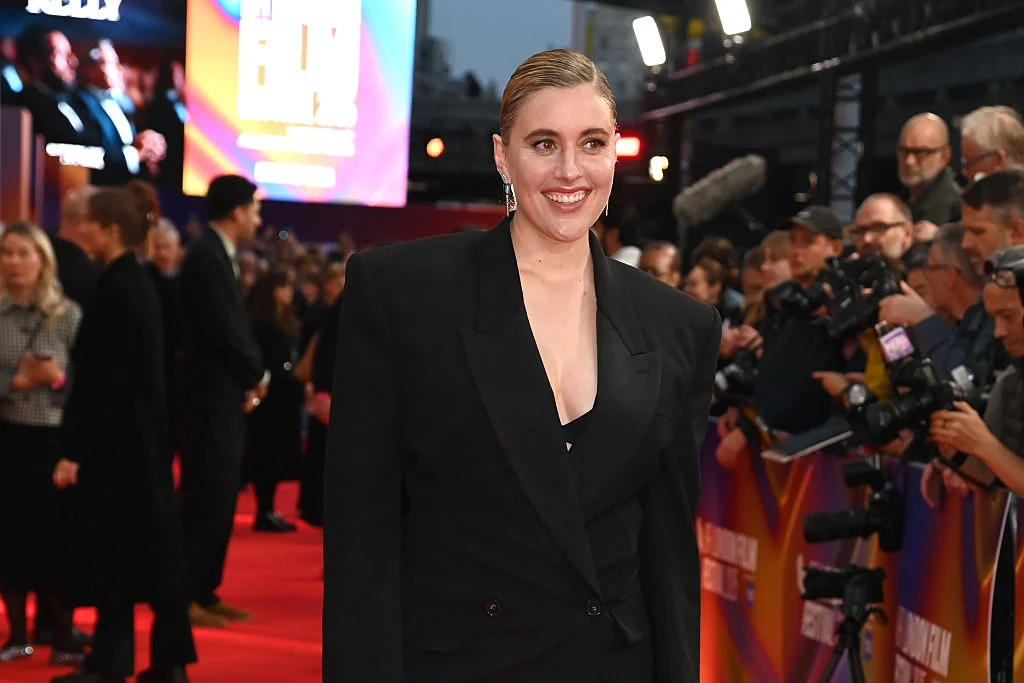
Audiences eager to return to the magical world of Narnia under the direction of Greta Gerwig will now have to wait a few months longer, as Netflix has officially pushed back the release of "Narnia: The Magician’s Nephew" from its original Thanksgiving 2026 slot to February 12, 2027. This schedule adjustment is not merely a production delay but a strategic recalibration, signifying a notable shift in Netflix’s approach to theatrical distribution, particularly for its tentpole projects. The move extends the film’s exclusive theatrical window significantly, signaling a deepening commitment to a hybrid release model that prioritizes a robust cinematic presence before its streaming debut.
The Shifting Release Strategy: A Deeper Dive into Theatrical Windows
The initial plan for "The Magician’s Nephew" outlined an ambitious, yet still somewhat constrained, theatrical run by traditional Hollywood standards. Netflix had previously communicated that the film would debut exclusively on IMAX screens for at least two weeks in late November 2026, aiming for a streaming release around Christmas of the same year. While a two-week IMAX exclusive was a significant step for a company historically reluctant to embrace long theatrical windows, it still represented a truncated period compared to major studio blockbusters that often command 45-90 day exclusive runs.
The revised schedule dramatically alters this landscape. According to the latest announcement from Netflix, "The Magician’s Nephew" will now commence exclusive IMAX previews on February 10, 2027, followed by a wide global theatrical release on February 12, 2027. This extended engagement will culminate in the film’s streaming debut on Netflix on April 2, 2027. This new timeline grants the film approximately seven weeks of exclusive theatrical exhibition, a substantial increase from the initially planned two weeks. Netflix describes this as a "global eventized release," underscoring its intention to treat the film as a major cinematic spectacle worthy of a prolonged big-screen experience.
This strategic pivot is more than just a calendar change; it represents a significant concession and collaboration with traditional exhibition partners. The extended theatrical window allows for greater revenue potential from box office receipts, provides a longer period for word-of-mouth to build, and offers a more conventional cinematic experience that theater chains have long advocated for. For a film of this scale, helmed by a director of Gerwig’s caliber and featuring a high-profile cast, maximizing its theatrical impact is paramount to its overall success and perception.
Netflix’s Evolving Relationship with Exhibition
Netflix’s journey with theatrical releases has been marked by a cautious, often contentious, approach. For years, the streaming giant maintained a steadfast policy of prioritizing its subscribers, releasing most of its original films directly to the platform with minimal, if any, theatrical runs. This stance frequently put them at odds with major cinema chains, which historically insisted on a 90-day exclusive window between theatrical and home video releases. Consequently, many Netflix prestige films, despite critical acclaim and awards potential, struggled to secure wide theatrical distribution.
However, in recent years, a subtle yet discernible shift has been observed in Netflix’s strategy. Recognizing the value of theatrical prestige for certain high-profile projects, and perhaps spurred by the competitive landscape of streaming and the desire to attract top-tier talent, Netflix has gradually become more open to hybrid release models. Films like "Roma," "The Irishman," and "Glass Onion: A Knives Out Mystery" received limited theatrical engagements, primarily to qualify for awards or to generate buzz.
The success of recent collaborations further illustrates this evolving dynamic. AMC Theatres, one of the largest cinema chains globally, recently highlighted the triumph of its "Stranger Things" series finale theatrical event. These screenings, which offered fans a communal viewing experience, proved highly popular and demonstrated the potential for synergistic partnerships between streamers and exhibitors. Following this success, AMC expressed keen interest in pursuing more joint Netflix-AMC cooperation in 2026 and beyond. This positive reception from a major exhibitor likely played a role in Netflix’s decision to grant "The Magician’s Nephew" a more robust theatrical window.
Conversely, the reported "dealbreaker" issues regarding Netflix’s limited support for theatrical releases and its resistance to exclusive theatrical windows were cited in negotiations with the creators of "Stranger Things," the Duffer Brothers, who ultimately signed an exclusive deal with Paramount. This anecdote underscores the importance that creative talent places on the theatrical experience for their major projects, providing further impetus for Netflix to adapt its distribution strategy to remain competitive in attracting and retaining top filmmakers. The extended theatrical window for "The Magician’s Nephew" can thus be seen as a strategic response to these industry pressures and talent demands, aiming to provide a more attractive proposition for creators and a more satisfying experience for audiences.
The Return to Narnia: Franchise Revival and Creative Vision
"The Magician’s Nephew" marks a highly anticipated return to the beloved universe created by C.S. Lewis. "The Chronicles of Narnia" is one of the most iconic fantasy book series in literary history, captivating generations with its allegorical tales of good versus evil, magic, and adventure. Netflix acquired the rights to the entire Narnia universe in 2018, signaling a grand ambition to develop a new multi-film and series franchise. This project represents the first major cinematic endeavor under that agreement.
"The Magician’s Nephew" holds a unique and crucial place within the Narnia canon. While published as the sixth book in the series, it is chronologically the first, serving as a prequel that lays out the foundational origins of Narnia itself. It introduces readers to the creation of the world by Aslan, the entry of evil through Jadis (the White Witch), and the magical rings that facilitate travel between worlds. Adapting this specific book first suggests Netflix’s intention to establish a new foundational narrative for the franchise, distinct from the previous film adaptations.
Previous cinematic attempts to bring Narnia to life saw varying degrees of success. Disney and Walden Media released "The Chronicles of Narnia: The Lion, The Witch and The Wardrobe" in 2005, which grossed over $745 million worldwide and garnered critical praise. Its sequel, "Prince Caspian" (2008), saw a dip in performance with approximately $419 million globally. "The Voyage of the Dawn Treader" (2010), released by 20th Century Fox, similarly earned around $415 million. While these were respectable figures, the diminishing returns indicated challenges in sustaining the franchise’s momentum. Netflix’s reboot, therefore, carries the weight of revitalizing a beloved but dormant cinematic property.
Central to this revival is Greta Gerwig, whose involvement has generated immense excitement. Following the monumental global success of "Barbie" in 2023, which amassed over $1.4 billion worldwide and earned critical accolades, Gerwig has solidified her position as one of Hollywood’s most sought-after writer-directors. Her ability to craft narratives that are both commercially appealing and intellectually resonant, often imbued with feminist themes and sharp wit, makes her a compelling choice for adapting a classic like Narnia. Gerwig’s previous works, including "Lady Bird" and "Little Women," showcased her talent for character-driven storytelling and visual flair. Her personal connection to the source material is evident; in Netflix’s announcement, Gerwig revealed her childhood love for the book, specifically recalling how she "fell in love with the gorgeously improbable but completely brilliant concept of a cosmic lion singing the world of Narnia to life." This personal passion suggests a deeply committed and authentic adaptation.
The film is also slated to feature a formidable cast, including acclaimed actors like Daniel Craig and Meryl Streep. Their participation further elevates the project’s profile, signaling Netflix’s commitment to investing in top-tier talent for this franchise. Such an ensemble cast, combined with Gerwig’s vision, sets high expectations for the film’s artistic and commercial potential.
Strategic Considerations Behind the Delay
The decision to delay "The Magician’s Nephew" is likely multifaceted, encompassing production complexities, marketing considerations, and a strategic positioning within the competitive release calendar.
Firstly, large-scale fantasy epics like "Narnia" are inherently complex and demanding in terms of production and post-production. The creation of fantastical worlds, mythical creatures, and intricate visual effects requires extensive time, meticulous attention to detail, and often multiple rounds of revisions. Given Greta Gerwig’s reputation for precision and artistic integrity, an additional few months could be invaluable for perfecting the film’s visual spectacle and narrative coherence. This extra time allows the creative team to ensure the highest quality product, which is crucial for launching a new tentpole franchise.
Secondly, the shift from a crowded Thanksgiving 2026 window to February 2027 offers strategic advantages in terms of marketing and competitive landscape. The Thanksgiving/Christmas holiday corridor is notoriously competitive, often packed with highly anticipated blockbusters vying for audience attention and box office dollars. Moving to February positions "The Magician’s Nephew" as a major early-year release, potentially allowing it to dominate the box office with less direct competition. February has proven to be a successful month for fantasy and action films in the past, offering a clearer runway for sustained theatrical engagement. This move also provides the marketing team with more time to craft a comprehensive global campaign that can effectively reach diverse audiences.
Finally, the delay aligns with Netflix’s broader goal of maximizing the film’s box office potential. By extending the theatrical window, Netflix is actively seeking to generate substantial revenue from ticket sales before the film hits its streaming platform. This approach acknowledges that certain films benefit immensely from the communal, immersive experience of a cinema, which can generate critical buzz and elevate a film’s cultural impact in a way that a direct-to-streaming release might not. For a project as significant as the Narnia reboot, proving its theatrical viability is crucial not only for the film itself but for validating Netflix’s evolving hybrid distribution model to both investors and the wider industry.
Industry Reactions and Broader Implications
The announcement of an extended theatrical window for "Narnia: The Magician’s Nephew" has been met with positive, albeit inferred, reactions from key industry players. IMAX, a crucial partner in this release, issued a statement noting that the delay would allow the film to have "a full theatrical window," indicating their satisfaction with the revised strategy. Major theater chains, including AMC, Cinemark, and Regal, are unlikely to complain about this development; a longer exclusive window means more opportunities for ticket sales, concession revenue, and a strengthened partnership with one of the most prolific content creators in the world. This move could pave the way for more significant collaborations between Netflix and exhibitors on future high-profile projects.
For Netflix, this shift has profound implications for its financial model and brand perception. While subscriber growth remains a core metric, exploring additional revenue streams through theatrical releases provides financial diversification and validates the quality of its original content on a global stage. A successful theatrical run for "The Magician’s Nephew" could solidify Netflix’s position as a legitimate player in traditional film distribution, not just streaming. It also helps to attract and retain top-tier creative talent like Gerwig, who often prioritize the theatrical experience for their cinematic visions.
Beyond Netflix, this decision could set a precedent for other streaming giants. Companies like Amazon Prime Video, Apple TV+, and HBO Max have also been experimenting with theatrical releases for their original films, often for awards qualification or limited engagements. If Netflix’s more aggressive theatrical strategy proves successful with "Narnia," it could encourage these platforms to similarly invest in longer and wider cinematic runs for their tentpole features, further blurring the lines between traditional studios and streaming services. The industry is already witnessing a rapid evolution in distribution models, with the traditional 90-day window largely a thing of the past. Netflix’s move suggests a further step towards a more integrated, hybrid approach where streamers selectively leverage the power of the big screen to maximize a film’s impact and revenue.
In conclusion, the delay of "Narnia: The Magician’s Nephew" to February 2027 is far more than a simple scheduling adjustment. It underscores Netflix’s strategic evolution, signaling a deeper commitment to traditional theatrical exhibition for its most ambitious projects. With Greta Gerwig at the helm and a stellar cast, the film is poised to be a significant cultural event, and Netflix’s decision to grant it an extended theatrical run reflects a growing understanding of how to best position such a project for success in a rapidly changing entertainment landscape. This move is a vote of confidence in the film, a nod to industry partners, and a potentially pivotal moment for the future of film distribution.