Ana Megawati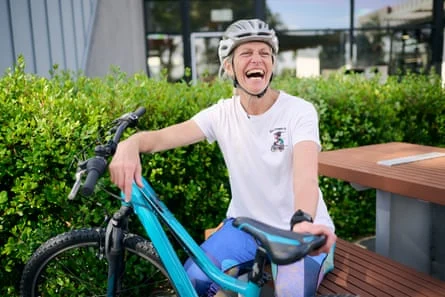
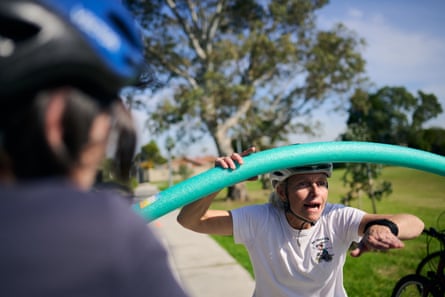
In a sun-drenched, verdant park in northern Melbourne, an extraordinary scene unfolds. Six women, ranging from their late thirties to their mid-seventies, engage in a unique, bicycle-mounted game of limbo. With eyes fixed forward and bodies leaning precariously, they navigate under a low-slung foam pool noodle, a seemingly whimsical exercise that belies the profound journey each participant is undertaking. This is not merely a game; it is a meticulously designed challenge in a "Women’s Learn to Ride" class, orchestrated by the City of Whittlesea, aimed at equipping a diverse group of adults with the foundational skills and confidence to cycle. For many, this marks their first time on a bicycle in decades, while for some, it is their very first experience.
The atmosphere is charged with focused determination. Wobbles are frequent, and stops and starts punctuate the attempts, but these are expected rites of passage. The women’s fierce attention is testament to their commitment to mastering a skill that, for various reasons, eluded them or faded over time. On this particular day, the second session of the program, the curriculum has advanced beyond the initial steps of bike fitting and balancing. Last week, participants learned to scoot with feet off the ground, some even daring to pedal. Today, the focus shifts to more complex manoeuvres: turning, maintaining balance while navigating simulated obstacles like low branches or the ubiquitous pool noodle, and the intricacies of gear changing. These practical exercises are crucial in building the muscle memory and mental resilience necessary for safe and confident cycling on urban paths and roads.
The Pedal Towards Proficiency: Inside the Learn-to-Ride Program
The "Women’s Learn to Ride" class, a key initiative by the City of Whittlesea, is more than just a series of lessons; it’s a structured pathway to active mobility. Instructor Mara Ferraro, the driving force behind Cycle Strength n’ Fun, guides her students with a blend of expertise and encouragement. After several rounds of the bicycle limbo, Ferraro transitions to explaining the "pelvic lift," a technique vital for tackling inclines and absorbing shocks from uneven terrain. "This is the next phase for you that I think is mega, mega important in terms of your balance," Ferraro explains, emphasizing the transformation of their legs into a "suspension in the car." This analogy resonates, highlighting how proper technique can enhance comfort, control, and overall cycling enjoyment, turning potential discomfort into a fluid, adaptive motion.

Ferraro’s business, Cycle Strength n’ Fun, has seen a significant boom in demand over the past 18 months. Her services, extending to schools, local councils, community groups, and individuals, underscore a growing societal recognition of cycling’s multifaceted benefits. A self-described "grandmother wearing Lycra," the 58-year-old Ferraro is a passionate advocate for cycling, particularly for older individuals and women. Her conviction stems from a belief in cycling as a tool for personal empowerment and community safety. "Six or seven years ago, the attitude on the roads [to cyclists] was really bad. I think it’s better now and there’s lots more cycling infrastructure now," Ferraro observes. "But I thought, if we’re going to calm the roads down, we need to get more women on the roads. Nobody wants to run over their grandma, or their mum, or their sister." This statement encapsulates a broader vision: that increasing the visibility and diversity of cyclists can foster greater respect and shared understanding on the roads, contributing to a safer environment for everyone.
More Than Just a Ride: Motivations and Milestones
The motivations behind enrolling in these classes are as varied as the women themselves, yet all share a common thread of seeking personal growth and expanded horizons. Oge, 39, had never ridden a bicycle before. Her decision to join was part of a conscious effort towards self-care and exploring new recreational activities. "Things that I can do for me, self-care," she articulates, reflecting on a journey of skill acquisition that began with swimming lessons last year. "I’m just picking up skills that I’ve always wanted to do." Her story highlights the powerful intrinsic reward of conquering new challenges and expanding one’s capabilities, irrespective of age.
Rabia, 40, was inspired by her nine-year-old daughter, who has a disability and had participated in Ferraro’s children’s classes. "I thought if I learn then maybe I can help her, because she needs more time and patience," Rabia explains, revealing a maternal drive intertwined with a desire for personal well-being. The health benefits of cycling served as an additional, compelling incentive. Rabia’s progress was remarkably swift, surprising even herself. "I never thought I was going to be able to do it on day one. And it was really quite exciting," she recounts, embodying the joy and sense of achievement that accompanies mastering a new skill.
Sisters Vicki, 59, and Maria, 60, represented a different demographic: those relearning a skill long dormant. A recent island holiday, where bicycles were the primary mode of transport, brought into sharp focus how rusty their childhood cycling abilities had become. "I did this to try to see if I can develop some skills and feel confident on the bike, because even though I can ride I don’t feel super confident," Vicki shares. Her sentiment resonates with many adults who, despite having ridden as children, find that the intuitive ease of youth has been replaced by apprehension. "When you’re a kid you just get on a bike and you ride, you don’t think about it. And now having to think about that is strange… But the feeling is great. I love that feeling, just being free when you’re riding." This recaptured sense of freedom and independence is a recurring theme among participants, underscoring cycling’s profound psychological benefits.
The Resurgence of Cycling: A Broader Trend
The surging demand for learn-to-ride programs for adults, particularly women, in Melbourne is not an isolated phenomenon but rather reflects a broader societal shift towards active transport and sustainable living. Data from Bicycle Network Australia indicates a significant increase in cycling participation across various demographics, particularly in urban centres. The COVID-19 pandemic, with its emphasis on outdoor activities and social distancing, provided an initial catalyst, leading to a global surge in bike sales and usage. This trend has been further amplified by contemporary economic pressures, notably the escalating fuel crisis, which has seen petrol prices reach unprecedented levels in Australia. As reported by the Australian Institute of Petroleum, average unleaded petrol prices have consistently risen, making alternative modes of transport increasingly attractive.
Local councils, including the City of Whittlesea and Stonnington, are actively responding to this shift. They are integrating "behaviour change" initiatives into their broader active transport strategies, recognizing that infrastructure alone is insufficient. Investing in cycling education programs serves multiple strategic objectives: promoting public health, reducing traffic congestion, mitigating carbon emissions, and fostering community engagement. These initiatives align with state and national environmental goals to reduce reliance on fossil fuels and transition towards more sustainable urban environments. Mara Ferraro aptly describes this period as "the golden age of people getting back on their bikes," an era where personal aspirations converge with environmental consciousness and economic practicality.
Reclaiming the Saddle: Experiences from Refresher Courses
The journey to cycling confidence isn’t exclusive to beginners. Many adults, like Jane, 67, and Karen, 75, find themselves needing a refresher course to reclaim lost skills and bolster their self-assurance. Weeks after completing a cycling refresher course for women over 50, organized by Stonnington council and instructors from Bike it Better, both women shared their transformative experiences.
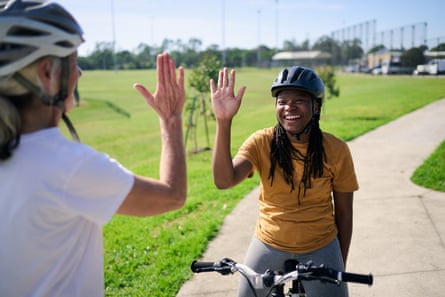
Jane’s cycling hiatus during COVID-19 lockdowns proved to her that the adage "you never forget how to ride a bike" isn’t entirely accurate. While the core skill remained, the instinctive ease had vanished. Her attempt to cycle around her block last year ended in a tumble, prompting a concerned passerby to stop. "I rode around the block, got to the bottom of a hill on the footpath, realised I hadn’t put the right gear on early enough, so I just fell off," she recounts with a laugh. "It must have looked so bad – a lady stopped her car and ran over to make sure I was all right." The refresher tuition, Jane enthuses, made an "unbelievable" difference. She learned crucial techniques like smooth and emergency braking, and how to turn with an outward knee – "all this stuff you did as a kid or when you were confident." The practical guidance proved invaluable, restoring not just her skills but her enjoyment. "I was just thrilled to bits with it. I came away feeling totally buzzed."
Karen, at 75, also possessed cycling experience but lacked confidence, particularly regarding her balance. This apprehension meant the electric bikes she and her husband purchased during the lockdowns remained unused in their shed. "That first ride was challenging… It’s hard to get back on it when you are in your 70s. You’re thinking of all these other things that could go wrong," Karen admits, highlighting the mental barriers that can accompany aging and the fear of injury. However, the structured environment and expert guidance allowed her to overcome these anxieties. "But once you get going, it’s good," she affirms. "It was a lot of fun." Their stories underscore that age is no barrier to learning or relearning, and that tailored instruction can effectively address specific concerns of older riders, unlocking new avenues for physical activity and independence.
Addressing Barriers: The Secondhand Solutions Initiative
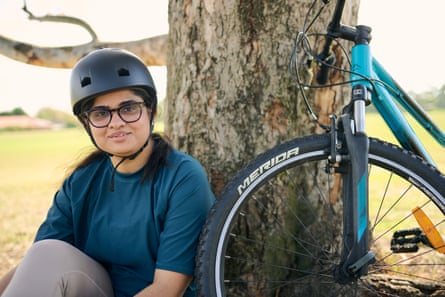
A critical component of the Whittlesea program, designed to ensure the sustainability of the newly acquired skills, is the provision of bicycles to participants. At the culmination of the course, each woman will receive one of the secondhand bikes they have been learning on. These bikes have been meticulously refurbished by the Eltham Men’s Shed, a community organization renowned for its practical skills and civic contributions. This initiative is a pragmatic solution to a significant barrier Mara Ferraro identified years ago: access to a suitable bicycle.
"I identified many years ago, when we were running these programs, that one of the biggest barriers was not having a bike," Ferraro explains. The current market for new bicycles, she notes, is "ridiculously expensive." Furthermore, for individuals with limited knowledge of bikes, navigating the secondhand market to find an appropriate and safe model can be "really daunting." By providing refurbished bikes, the program removes both the financial burden and the complexity of sourcing suitable equipment. While the bikes may be "a little bit old," Ferraro believes they are "adequate as a starting bike, to get you moving." This initial accessibility allows participants to gain practical experience. Should they develop a deeper passion for cycling, they can then confidently pursue lighter or newer models, armed with a newfound understanding of their preferences and needs. This partnership with the Eltham Men’s Shed exemplifies a circular economy approach, transforming discarded items into valuable assets for community empowerment.
Beyond the Pavement: Societal and Urban Implications
The growth of adult cycling programs carries significant societal and urban implications. From a social perspective, these classes are powerful engines of empowerment, particularly for women who may have faced cultural or personal barriers to cycling. They challenge traditional gender roles and provide avenues for physical activity, social connection, and enhanced mental well-being. The stories of Oge, Rabia, Vicki, Maria, Jane, and Karen collectively paint a picture of resilience, determination, and the profound satisfaction that comes from mastering a new skill. The intergenerational impact, as seen with Rabia and her daughter, suggests a ripple effect where newfound confidence can inspire and enable others within families and communities.
From an urban planning and policy standpoint, the increased demand for cycling education reinforces the need for continued investment in safe and accessible cycling infrastructure. This includes dedicated bike lanes, well-maintained paths, secure bike parking, and integrated public transport options. Councils like Whittlesea and Stonnington are setting precedents by linking cycling education directly to their active transport strategies, demonstrating a holistic approach that combines infrastructure development with user confidence and skill-building. The shift towards cycling also contributes directly to environmental sustainability by reducing vehicle emissions and easing urban congestion.
Economically, the phenomenon is multifaceted. While the fuel crisis acts as a catalyst for individuals seeking cheaper transport, the growth in cycling also stimulates local economies, boosting demand for bike sales, repairs, accessories, and related services. The secondhand bike initiative, in particular, fosters local partnerships and promotes resourcefulness.
Looking Ahead: The Future of Active Transport in Melbourne
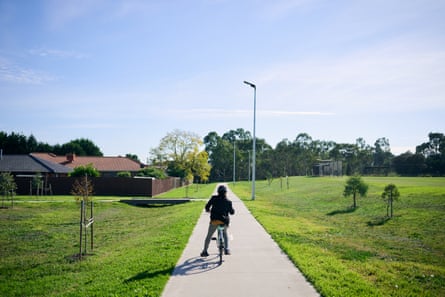
The "golden age of people getting back on their bikes," as Mara Ferraro aptly puts it, appears set to continue its trajectory. With ongoing concerns about fuel costs, environmental sustainability, and personal health, cycling is increasingly being recognized not just as a recreational activity but as a viable and desirable mode of everyday transport. The success of programs like the "Women’s Learn to Ride" class in Whittlesea and refresher courses in Stonnington demonstrates a clear community appetite for support and education. As local councils and community organizations continue to invest in accessible, inclusive cycling initiatives, Melbourne is steadily pedaling towards a future where active transport plays a more central role in its urban fabric, fostering healthier, more connected, and environmentally conscious communities for all its residents, irrespective of age or prior experience.