Danny Garick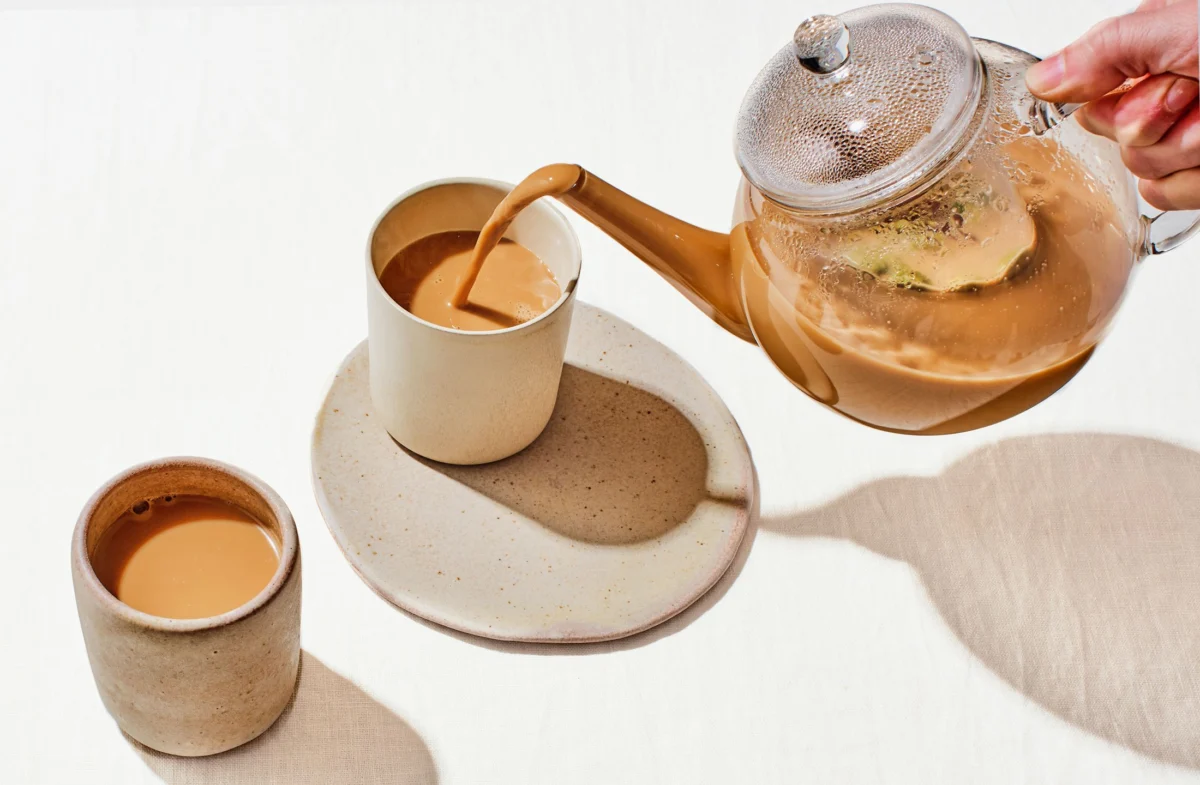
Karak chai, a robust and velvety variant of masala chai, has transitioned from a localized South Asian and Middle Eastern household staple to a globally recognized beverage that embodies both cultural heritage and evolving culinary trends. Defined by its signature creamy richness derived from evaporated milk and a refined spice profile, the tea represents a significant segment of the global hot beverage market. As interest in authentic, home-cooked, and culturally rooted recipes continues to rise, the specific preparation techniques popularized by figures such as recipe developer Zaynab Issa highlight a shift toward slow-food methodologies in home kitchens.
Origins and Cultural Context
The term "karak" is derived from the Hindi word for "strong," an accurate descriptor for a beverage that is simmered for an extended period to achieve a concentrated flavor profile and a deep, golden-caramel hue. While masala chai is often associated with a complex, varying bouquet of spices—including cloves, ginger, peppercorns, and star anise—karak chai is characterized by a more restrained approach. Traditional preparations typically emphasize the interplay between black tea, cardamom, cinnamon, and, occasionally, vanilla.
For many communities, particularly across the Middle East and South Asia, karak chai serves as a focal point of communal gatherings. In her cookbook, Let’s Eat, Zaynab Issa notes that this tea is deeply woven into the fabric of Ramadan traditions. During the holy month, the preparation of a large kettle of this tea is an essential component of the iftar—the meal consumed by Muslims after sunset to break their daily fast. The beverage provides a restorative, caffeine-rich, and comforting conclusion to the day, acting as a social lubricant that encourages conversation and reflection among family members.
The Science of the Long Simmer
From a culinary perspective, the preparation of karak chai distinguishes itself through its reliance on a long-duration simmering process. Unlike Western-style tea, which is generally steeped for three to five minutes, karak chai is often simmered for upwards of 30 minutes. This extended heat exposure serves several functional purposes in the development of the final product:
- Concentration of Solutes: As the water evaporates during the simmering process, the tea solids and spices concentrate, leading to a more intense flavor profile.
- Maillard Reaction and Caramelization: The presence of milk sugars and proteins under heat for an extended duration facilitates subtle caramelization. This process is responsible for the drink’s signature golden-caramel color and adds a depth of flavor that cannot be replicated by quick infusion methods.
- Emulsification: The slow simmering of evaporated milk—which has already undergone a reduction process—with the tea ensures a stable, uniform, and creamy texture that prevents the "break" often seen in high-heat dairy infusions.
Chronology of Consumption and Market Trends
The global trajectory of chai consumption has mirrored broader shifts in consumer interest regarding global flavors. In the early 2000s, the "chai latte" became a staple in Western coffee shop culture, though this version was often criticized by culinary purists for being overly sweetened and lacking the nuanced spice profiles of authentic regional preparations.
In recent years, a market correction has occurred. Consumers are increasingly seeking out "authentic" recipes that prioritize traditional methods, such as the use of whole spices like cardamom pods and cinnamon sticks, rather than pre-mixed powders or syrups. Data from market research firms specializing in the beverage sector indicate that "premium tea experiences" have seen a compound annual growth rate (CAGR) of approximately 5.8% between 2018 and 2023. This growth is driven by a demographic that values provenance, ingredient quality, and the story behind the preparation.
Technical Preparation Guidelines and Best Practices
For those attempting to replicate traditional karak chai, attention to technical detail is paramount. According to industry standards for home culinary instruction, the following practices are recommended to maintain the integrity of the beverage:
- Cardamom Processing: The use of whole cardamom pods is preferred over pre-ground spices to maintain essential oil integrity. Practitioners should lightly crush the pods to expose the seeds, which allows for a controlled release of flavor into the simmering liquid without making the tea gritty.
- Dairy Selection: Evaporated milk remains the gold standard for karak chai due to its pre-reduced, shelf-stable nature and higher protein content, which lends the tea its characteristic viscosity. While substitutes like half-and-half or whole milk are viable, they alter the chemical balance of the final product. Half-and-half introduces a higher fat content, which can mask the delicate aromatics of the cinnamon and cardamom, while whole milk may result in a thinner mouthfeel.
- Temperature Management: The primary risk during the long simmer is the "boil-over." Because the mixture contains milk proteins and sugars, it is prone to rapid expansion when boiling. Constant supervision is required to ensure the tea maintains a steady, low-level simmer rather than a rolling boil.
Implications for the Culinary Industry
The mainstreaming of recipes like those featured in Let’s Eat suggests a broader trend in food media: the democratization of high-end home cooking. By providing detailed FAQs—such as clarifying the necessity of straining pods or the impact of milk substitutions—recipe developers are bridging the gap between traditional family secrets and modern, accessible culinary practice.
From a sociological perspective, the documentation of these recipes by second-generation authors serves an important function in cultural preservation. As diaspora populations adapt their culinary traditions to local ingredients and kitchen technology, the formalization of these recipes ensures that cultural markers, such as the Ramadan iftar tea, remain relevant.
Furthermore, the focus on simplicity—using only four or five key ingredients—challenges the notion that complex flavors require long lists of exotic components. It reinforces a minimalist approach that relies on technique rather than quantity. This philosophy is increasingly being adopted by professional chefs who are looking to simplify their menus while maximizing flavor extraction.
Broader Economic Impact
The demand for high-quality spices and specialized tea varieties has created a positive ripple effect for exporters in regions like Kerala, India, and Sri Lanka, which are primary sources for high-grade cardamom and black tea. As consumers become more discerning, the supply chain for these goods has had to adapt, with an increased focus on transparent sourcing and fair-trade certifications.
The economic implications extend to the retail sector, where specialty spice blends and high-quality loose-leaf teas have become significant revenue drivers. Retailers have responded by expanding their international aisles, dedicating more shelf space to the ingredients necessary for authentic regional beverages. This shift is not merely a passing fad; it is a structural change in the way global culinary knowledge is disseminated and consumed.
Future Outlook
As the culinary landscape continues to evolve, the appreciation for beverages like karak chai will likely remain high. The drink represents the intersection of convenience and quality—a balance that is highly sought after in the contemporary fast-paced environment. Whether served in a professional setting or prepared in a domestic kitchen, the core tenets of karak chai—patience, quality ingredients, and a commitment to tradition—provide a blueprint for future culinary innovation.
The enduring popularity of this beverage is a testament to its versatility. While rooted in specific cultural and religious traditions, its sensory profile—creamy, warm, and aromatic—transcends borders. As more individuals incorporate these time-honored techniques into their daily routines, the dialogue between tradition and innovation will continue to shape the future of global beverage trends, ensuring that the legacy of karak chai remains vibrant for generations to come.