
 Danny Garick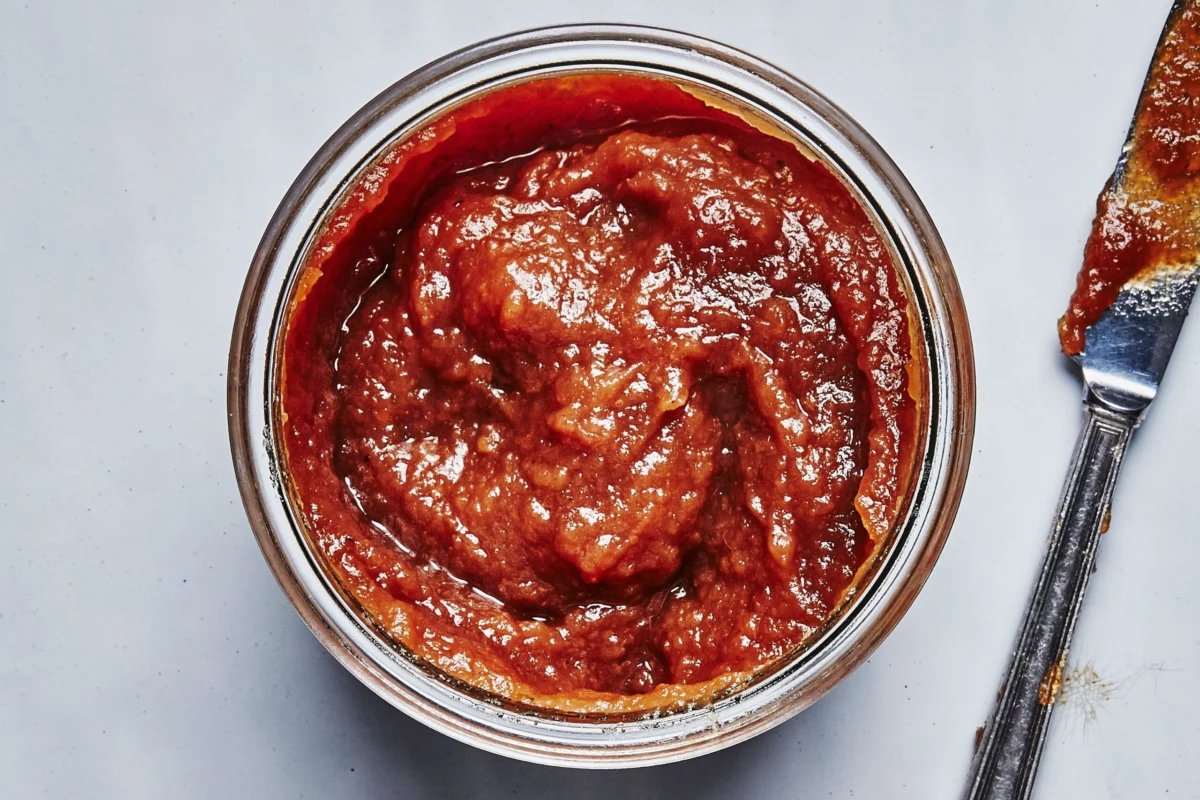
Apple butter is fundamentally the evolution of applesauce taken to its furthest culinary extreme, involving a meticulous process of simmering fruit until it reaches a dark, velvety, and intensely concentrated consistency. Despite its nomenclature, the product contains no dairy butter; the term refers exclusively to its spreadable, luscious texture, which is achieved through prolonged reduction. This preserve, often infused with aromatic spices like cinnamon and cloves and bolstered by the addition of apple cider, represents a significant historical pillar in fruit preservation techniques, particularly within North American domestic history.
Historical Context and Evolution of Preservation
The tradition of making apple butter dates back to the Middle Ages in Europe, specifically within the monasteries of the Low Countries, where fruit preservation was essential for sustaining communities through the winter months. By the 18th century, German immigrants introduced the practice to North America, particularly in the Appalachian regions of Pennsylvania and Virginia.
Historically, the production of apple butter was a communal event known as an "apple butter boiling." Because the reduction process requires continuous stirring for several hours to prevent scorching, entire families and neighbors would gather around large copper kettles suspended over open wood fires. This provided a necessary labor force for the labor-intensive task of peeling, coring, and stirring, while simultaneously serving as a social gathering that marked the conclusion of the autumn harvest. While modern technology has transitioned this process to home kitchens, the fundamental chemical reactions—the breakdown of cell walls and the caramelization of natural sugars—remain unchanged.
Technical Composition and Fruit Selection
The efficacy of high-quality apple butter is contingent upon the strategic selection of fruit. Culinary experts and food scientists emphasize that, unlike the requirements for apple pie—where structural integrity of the fruit is paramount—apple butter production relies on the complete breakdown of the apple’s cellular matrix.
A blend of sweet and tart cultivars, such as Granny Smith, Fuji, McIntosh, Honeycrisp, and Golden Delicious, is recommended to achieve a balanced flavor profile. The acidity provided by tart varieties interacts with the sugars in sweeter varieties to create a complex, nuanced palate. Furthermore, modern culinary standards suggest that peeling and coring are unnecessary steps. The skins of the apple contain high concentrations of flavor compounds and pigments, while the seeds and cores are rich in pectin, a structural polysaccharide that serves as a natural thickening agent.
When boiled, the pectin leaches into the mixture, facilitating a natural gelation that reduces the need for added commercial thickeners or excessive sugar. Once the fruit has reached a state of complete collapse, a food mill is typically employed to separate the desirable purée from the fibrous remains, such as peels, seeds, and stems. For those lacking a food mill, the use of a fine-mesh strainer combined with a flexible spatula remains an effective, albeit labor-intensive, alternative.
The Chemistry of Concentration and Reduction
The transformation from raw fruit to apple butter is a study in thermal degradation and water evaporation. As the mixture cooks, water content decreases, concentrating the fruit’s solids. Simultaneously, the heat facilitates the Maillard reaction—a chemical process between amino acids and reducing sugars that gives browned food its distinctive flavor. This is what imparts the characteristic dark, mahogany hue to the finished product.
From a nutritional standpoint, apple butter provides a concentrated source of dietary fiber and antioxidants. Data from the United States Department of Agriculture (USDA) suggests that the reduction process preserves the bioavailability of certain phytonutrients found in the skin of the apple. While the sugar content is naturally higher per ounce due to the reduction of water volume, the absence of added fats and cholesterol makes it a nutrient-dense alternative to traditional butter or margarine.
Chronology of Modern Culinary Applications
The utility of apple butter has expanded significantly since its origins as a survival food. Below is a chronology of its integration into modern gastronomy:
- 18th–19th Century: Utilized primarily as a shelf-stable staple for winter storage, often kept in ceramic crocks and sealed with a layer of lard or wax.
- Early 20th Century: The industrialization of food production saw the rise of commercially manufactured apple butter, often utilizing high-fructose corn syrup and artificial preservatives to maintain shelf stability.
- Late 20th Century: A resurgence of "farm-to-table" movements emphasized the return to traditional, small-batch, non-additive recipes.
- 21st Century: The integration of apple butter into fine dining, appearing as a component in complex sauces for proteins and as a central ingredient in modernist pastry applications.
Culinary Versatility and Market Impact
Apple butter’s versatility as a culinary ingredient has cemented its status as a permanent fixture in both home and professional kitchens. Its ability to bridge the gap between savory and sweet profiles allows it to serve multiple functions.
In savory applications, the acidity of the apple cuts through the richness of fatty proteins. Professional chefs frequently use apple butter as a glaze for pork chops or as a component in reduction sauces for roasted poultry. The natural sugars provide a caramelized crust when exposed to high heat, enhancing the visual and sensory appeal of the dish.
In the realm of baking, it serves as a foundational element in regional specialties such as the Appalachian Apple Stack Cake, where it is layered between thin, spiced cake disks. Its ability to act as a fat substitute in baking—due to its moisture content—has also made it a popular ingredient for those seeking to reduce the overall fat content of baked goods without compromising texture.
Economic and Industry Perspectives
The market for fruit spreads, including apple butter, has seen a steady increase in consumer demand as preferences shift toward natural, minimally processed ingredients. According to recent market analysis, the organic fruit preserve sector has grown by approximately 3.4% annually over the last five years. Consumers are increasingly scrutinizing labels, favoring products that lack artificial colors and high-fructose corn syrup, which aligns with the traditional, home-prepared methodology of apple butter.
Industry representatives note that the seasonality of apple production dictates the supply chain for high-quality apple butter. Because the best results are achieved with fresh-picked, late-harvest apples, the production cycle is highly concentrated in the autumn months. This seasonality contributes to the product’s premium positioning in artisanal markets.
Broader Implications and Future Outlook
The persistence of apple butter in the modern pantry serves as a reminder of the value of low-tech preservation methods in an age of high-tech food manufacturing. By utilizing the entire fruit—including the skins and cores—home cooks and commercial producers alike are practicing a form of food waste reduction that aligns with current sustainability goals.
The implications of this process extend beyond the kitchen. As global food systems face pressure to become more sustainable, the "whole-fruit" utilization demonstrated by traditional apple butter production provides a model for circular food economies. By extracting value from parts of the produce typically discarded (the peels and cores), producers can increase yield and reduce environmental impact.
Furthermore, the technique of slow reduction—while time-consuming—stands in stark contrast to the rapid, chemical-additive-heavy processes of mass-market jelly and jam production. As consumers continue to prioritize health, transparency, and traditional craftsmanship, it is likely that the cultural and economic importance of apple butter will continue to hold steady, bridging the historical past with the future of sustainable food production.
Ultimately, apple butter remains a testament to the fact that complex flavors do not always require complex ingredients, but rather a mastery of time, heat, and the inherent properties of the raw materials. Whether served atop a waffle, incorporated into a decadent dessert, or paired with a savory main course, it maintains its reputation as one of the most reliable and beloved staples of the culinary world.









