Ana Megawati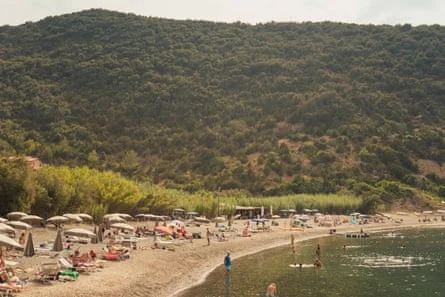
For many, the allure of Italy’s coastline is undeniable, yet an increasing number of travelers, particularly those from cultures where beach access is inherently public, are encountering a surprising reality: the widespread prevalence of private beach clubs. This phenomenon, which often sees prime stretches of Italy’s most iconic shorelines – from the dramatic cliffs of the Amalfi Coast to the terraced vineyards of the Cinque Terre – occupied by exclusive establishments and five-star resorts, stands in stark contrast to the open, shared beach culture found in countries like Australia. While luxurious beach clubs offer amenities and curated experiences, they inadvertently cordon off the very natural beauty that initially drew visitors, creating a growing demand for authentic, uncommercialized coastal escapes.
This article delves into the cultural differences shaping beach access in Italy and, more importantly, unveils six of Italy’s most exquisite free beaches. These are places where the raw, untamed splendor of the coastline remains untouched by development, offering a serene "back-to-nature" holiday experience accessible to all.
The Evolving Landscape of Italian Beaches: Public Right vs. Private Enterprise
The tradition of private beach clubs, or stabilimenti balneari, is deeply embedded in Italian coastal culture, dating back to the early 20th century. These establishments typically lease sections of public land from the state, offering services such as sun loungers, umbrellas, changing rooms, showers, and often restaurants and bars. For many Italians, a day at a stabilimento is a cherished summer ritual, providing comfort, convenience, and a sense of community. However, this model has led to significant portions of the coastline, especially in popular tourist regions, becoming inaccessible without payment.
In Australia, by contrast, the concept of public access to beaches is enshrined in law and cultural practice. Beaches are seen as natural commons, open to everyone without charge, with minimal commercialization directly on the sand itself. This fundamental difference often creates a culture shock for visitors expecting similar open access in Italy.
Recent debates within Italy have highlighted the tension between private concessions and public access. Environmental groups and consumer associations have long advocated for a greater proportion of free beaches, citing constitutional rights to access public property. European Union directives have also pushed for greater competition and transparency in beach concession assignments, aiming to reduce monopolization and ensure fairer access. Despite these pressures, the entrenched system of private clubs persists, making the discovery of genuinely free and pristine beaches a valuable quest for those seeking an alternative experience.
The rising global trend of sustainable and experiential travel further underscores the appeal of these free beaches. Travelers are increasingly seeking immersive experiences that connect them with nature and local culture, away from the crowds and commercialism of mainstream resorts. These six locations represent a perfect synthesis of natural beauty, local charm, and unhindered access, offering a glimpse into Italy’s wilder, more authentic coastal soul.
Riviera del Conero, Marche: An Adriatic Gem Unspoiled by Mass Tourism

Nestled in the Marche region, the Riviera del Conero stands as a testament to Italy’s lesser-known coastal treasures. Unlike its more celebrated counterparts, Marche has largely resisted the tide of mass tourism, preserving a tranquil ambiance where the predominant language heard is often Italian, reflecting its popularity among locals and domestic holidaymakers. This exclusivity fosters an authentic Italian summer experience, allowing visitors to immerse themselves in regional customs and cuisine.
The coastline itself is a breathtaking panorama of white limestone cliffs, dramatically plunging into the Adriatic Sea. These cliffs are crowned with lush pine forests, part of the Conero Regional Park, a protected area safeguarding its unique biodiversity. Below, a series of secluded bays feature crystalline green-blue waters and smooth white pebble beaches, creating a mesmerizing contrast with the deep blue of the sea.
One of the most notable free beaches is Sirolo, accessed via a meandering downhill path through the fragrant pine trees. This long, natural beach offers ample space for visitors to lay their towels on the smooth, sun-warmed rocks. While a section does offer paid chairs and umbrellas for convenience, the majority remains open and free, allowing for a relaxed, unencumbered day by the sea. The gentle slope into the water and the calm currents make it ideal for families.
Further north, Portonovo Bay presents a charming blend of retro 1960s beach clubs and extensive free stretches. The bay is framed by a historical watchtower and lush Mediterranean vegetation, adding to its picturesque appeal. For culinary enthusiasts, Ristorante Emilia has been a landmark since 1950. Renowned for its signature spaghetti with mussels, which are hand-prised daily from the nearby rocks, the restaurant embodies a commitment to fresh, locally sourced seafood. The rustic charm and breathtaking views make it a quintessential Conero dining experience.
Accommodation in the area ranges from charming boutique hotels to family-friendly campsites. San Michele Relais & Spa in Sirolo offers comfortable doubles from approximately €108, providing a blend of modern amenities and traditional hospitality. For a more nature-immersed stay, Camping Village Internazionale offers cabins from about €100, placing guests directly within the natural beauty of the park. The Conero Riviera’s commitment to low-impact tourism ensures that its pristine environment is maintained for future generations, making it a sustainable choice for discerning travelers.
Gargano, Puglia: The Rugged Spur of the Adriatic
While the sun-drenched, sandy beaches of southern Puglia often dominate travelers’ itineraries, the rugged Gargano peninsula, dramatically jutting into the Adriatic Sea from northern Puglia, offers an entirely different, wilder experience. Part of the Gargano National Park, this "spur" of Italy is a geological marvel, characterized by its dramatic rocky coves, secluded bays, and long pebbled beaches, all framed by ancient olive groves and fragrant Mediterranean scrub. Its less-trodden paths make it a haven for those seeking genuine tranquility and untouched natural beauty.
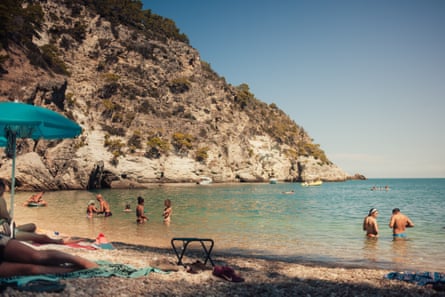
Portogreco is a tiny, enchanting cove, renowned as a popular free beach. It is dramatically framed by towering sea caves and intriguing rock formations, which are not only visually stunning but also offer exhilarating opportunities for high diving into the deep, clear waters. The excellent visibility makes Portogreco a prime spot for snorkeling, where vibrant marine life thrives amidst the submerged rocks.
Another gem is Vignanotica, a long, narrow pebble beach backed by a sheer, dazzling white limestone cliff. This impressive natural backdrop provides welcome shade during the late afternoon in summer, making it a perfect spot to escape the intense heat. The stark contrast between the white cliff, the green vegetation, and the turquoise sea creates a truly memorable landscape.
A scenic hour-long drive north along the coast leads to Peschici, home to the iconic Al Trabucco da Mimì. This unique restaurant is built on a trabucco, a traditional wooden fishing platform that historically allowed fishermen to cast wide nets without venturing far from shore. Dining here offers an unparalleled experience of fresh seafood, caught and served within hours. The mixed seafood grill is a must-try, showcasing the bounty of the Adriatic.
For accommodation, HMO Glamping in Vignanotica provides a unique experience with tents from approximately €110, blending comfort with immersion in nature. Alternatively, the Baia delle Zagare resort in Mattinata offers more traditional hotel stays with doubles from €150, known for its breathtaking views and access to exclusive coves. The Gargano’s dedication to preserving its natural and cultural heritage makes it an outstanding destination for eco-conscious travelers.
Ponza, Lazio: A Roman Escape to Untamed Island Beauty
A favored summer retreat for Romans seeking respite from the city’s heat, the island of Ponza lies a short, scenic ferry ride from mainland Lazio. This volcanic island exudes a timeless charm, with pastel-hued houses clustering around a picturesque port town that seems blissfully untouched by the relentless march of modernity. Beyond the vibrant harbor, the island unfolds into a landscape of wild coves, dramatic sea stacks, and quiet swimming spots, many of which are best, or only, accessible by boat, enhancing its sense of exclusive discovery.
Frontone, Ponza’s longest beach, is a prime example. While a portion of its shoreline is occupied by organized beach clubs offering amenities, there remains a substantial stretch of free beach. Local cognoscenti often gravitate towards the southern end, perching on the smooth rocks to enjoy the sun and sea in an uncommercialized setting. Frontone is conveniently reached by water taxi from Ponza’s main port, making it easily accessible for a day trip.
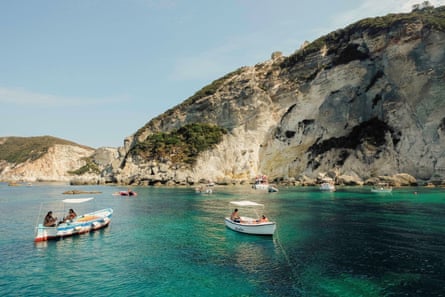
However, some of Ponza’s most spectacular swimming locations, such as the legendary Chiaia di Luna, truly necessitate a maritime adventure. This crescent-shaped cove, famed for its towering, soaring orange cliffs that embrace a strip of brilliant white pebbles, is now primarily accessible only from the water due to past cliff stability concerns. Hiring a traditional dinghy (gommone) or a captained boat is not merely a means of transport but an integral part of the Ponza experience, allowing exploration of hidden grottoes and pristine, inaccessible coves.
For lunch, Ristoro da Gerardo, perched above Frontone, offers not just exquisite food but also some of the island’s best views from its rustic, raffia-shaded terrace. The homestyle menu features classic Roman and Ponzese dishes, from comforting aubergine parmigiana to a rich octopus stew. A unique touch is the dessert of figs, picked fresh from the restaurant’s own trees. Embracing the island’s relaxed pace, guests are often invited to indulge in a post-lunch siesta on loungers shaded by trees, embodying the true spirit of dolce far niente.
Accommodation on Ponza caters to various preferences, with Hotel Chiaia di Luna offering doubles from €115, providing stunning views and proximity to the island’s natural wonders. Ponza’s appeal lies in its ability to blend rustic charm with sophisticated simplicity, providing an authentic Italian island experience that cherishes its natural environment and traditional way of life.
Pantelleria, Sicily: The Black Pearl of the Mediterranean
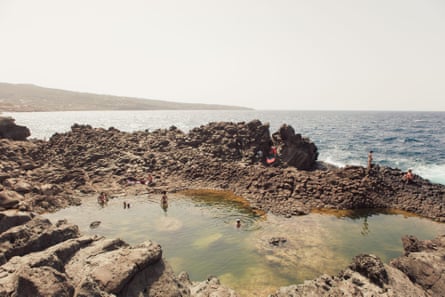
Closer geographically to Tunisia than to its administrative parent, Sicily, the island of Pantelleria offers an immersion into a landscape utterly distinct from mainland Italy. This slow-paced volcanic island is a realm of primal elements, where visitors surrender to its raw beauty. Devoid of sandy beaches, Pantelleria’s coastline is characterized by dramatic black volcanic rock formations. Here, locals and visitors alike lay their towels directly on the smooth, warm rocks, diving into the deep, clear blue waters that surround an arid, wind-battered terrain.
Balata dei Turchi, a secluded bay located at the island’s wilder southern tip, is a prime example of Pantelleria’s unique charm. This bay of volcanic rock is an ideal spot for snorkeling, with exceptionally clean waters revealing a vibrant underwater world teeming with bright coral and diverse fish species. Nearby, the natural phenomenon of Nikà offers an extraordinary swimming experience where underwater thermal springs bubble up into the sea, creating pockets of warm water amidst the cooler currents.
Another marvel is Laghetto delle Ondine (Little Lake of the Waves), reached after a short hike across an otherworldly volcanic landscape. Here, powerful waves crash against the natural walls of calm, almost perfectly circular rock pools, creating serene, natural swimming pools protected from the open sea. These pools are a testament to the island’s volcanic origins and its continuous geological activity.
As the sun dips below the horizon, casting a golden glow over the stark landscape, securing an outdoor table at Dispensa Pantesca in Scauri is a highly recommended experience. This charming eatery offers an antipasto plate featuring local specialties, with Pantelleria’s aromatic capers being a standout. For a more formal dining affair, the sister restaurant La Nicchia, located next door in a beautiful courtyard, provides an elevated culinary journey showcasing the island’s produce.
Pantelleria’s unique traditional dammusi – ancient houses constructed from local volcanic stone – offer distinctive accommodation. Pantelleria Dream Resort near Kamma features these authentic dwellings from €170, providing a blend of rustic charm and modern comfort. Alternatively, Dammuso Biancolilla near Scauri offers a similar experience from €140. The island’s commitment to preserving its unique geological and cultural heritage, coupled with its emphasis on "slow tourism," makes Pantelleria an unforgettable destination for those seeking profound connection with nature.
Elba, Tuscany: Napoleon’s Isle of Pristine Coves
Part of the Tuscan Archipelago, Elba lies approximately 35 miles (55 km) east of Corsica, sharing its neighbor’s characteristics of crystal-clear waters and dramatic mountainous terrain. Despite its historical significance (most famously as Napoleon’s place of exile) and undeniable beauty, Elba remains relatively under the radar outside Italy, allowing it to retain much of its unspoiled charm. The island boasts an impressive 90 miles of coastline, a diverse tapestry of wild bays, secluded coves, and tiny, often hidden, beaches. Given its size, which often surprises first-time visitors, strategic planning for accommodation and exploration is key to fully experiencing its varied landscapes.
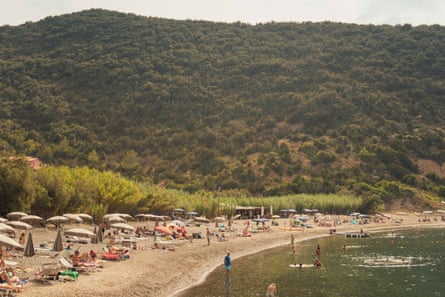
Nisporto exemplifies Elba’s serene beauty. This quiet, unspoiled bay is nestled between pine-covered hills, accessed via a winding road that enhances its secluded feel, even during the peak summer months. The beach itself is a harmonious mix of flat sand and smooth pebbles, with gentle waves making it an ideal destination for families with young children. The transparent waters and rich marine life on the seabed make Nisporto a fantastic spot for snorkeling. For those wishing to explore further, renting a pedalo or canoe offers the perfect opportunity to discover the hidden nooks and crannies of the surrounding coastline.
Elba’s commitment to environmental preservation is evident in its inclusion within the Tuscan Archipelago National Park, one of Italy’s largest marine parks. This designation helps protect its diverse ecosystems, both above and below the water, ensuring that its natural beauty endures.
In Portoferraio, the island’s main town, Teatro Bistro offers a refined dining experience. Guests can book a table on its spectacular terrace, which provides panoramic views over the harbor and beyond. The menu celebrates Tuscan coastal delicacies, with the spaghetti served with cured mullet bottarga being a highly recommended dish, showcasing the region’s rich culinary traditions.
Accommodation options in Nisporto cater to those seeking a peaceful retreat. Residence La Cota Quinta offers apartments from approximately €80 a night (with a three-night minimum stay), providing comfortable self-catering options. For a more immersive nature experience, Sole e Mare Camping Village offers bungalows from €400 a week for two people, allowing direct access to the island’s outdoor activities. Elba offers a compelling blend of history, natural beauty, and outdoor adventure, making it a perfect destination for those seeking an authentic Italian island escape without the crowds.
Maremma, Tuscany: Wild Coastline and Untamed Nature
Moving south from the rolling hills of classic Tuscany, the Maremma region unveils a wilder, more untamed side of the celebrated Italian landscape. Just outside the ancient walled city of Grosseto, the Regional Park of Maremma (Parco Naturale della Maremma) stretches from the Uccellina mountains to the Tyrrhenian Sea, protecting one of Italy’s most pristine and untouched coastlines. This vast protected area is a sanctuary for diverse flora and fauna, offering a stark contrast to the manicured vineyards and cypress-lined avenues often associated with Tuscany.
The park’s wild sandy beaches are characterized by their complete absence of commercial development – no umbrellas, no bars, and certainly no beach clubs. Instead, visitors find a raw, elemental beauty, where the only structures are often improvised driftwood forts, lovingly constructed by previous beachgoers to provide a temporary refuge from the summer sun. This minimalist approach encourages a deeper connection with nature, allowing the natural landscape to dominate the experience.
Marina di Alberese is the most accessible beach within the park, its shoreline stretching for miles, offering ample space even during busier periods. For those seeking even greater solitude, a leisurely traipse along the coast leads to quieter spots like Collelungo, a truly secluded stretch of sand. Both beaches can also be reached on foot or by bike via well-maintained trails that wind through the lush Mediterranean scrubland of the park.
The park is crisscrossed with easy cycle paths, making it an ideal destination for active travelers. Bikes and e-bikes are readily available for rent, allowing visitors to explore the diverse ecosystems at their own pace. These trails lead through landscapes where herds of magnificent horned Maremma cows graze peacefully and wild horses roam freely, offering a glimpse into the region’s unique cowboy culture, personified by the butteri.
For a taste of authentic Maremman produce, a stop at the dairy La Maremmana is highly recommended. Specializing in exquisite buffalo mozzarella, the dairy offers tasting plates of its various cheeses. Visitors can also purchase fresh produce to pack for a picnic on the beach, creating a perfect synergy of local flavors and natural beauty.
Agriturismo il Melograno di Banditella in Alberese offers charming doubles from €120 for a B&B stay, providing a rustic and authentic experience deeply rooted in the Maremman landscape. The Maremma region, with its commitment to conservation and its emphasis on natural, uncommercialized experiences, stands as a beacon for sustainable tourism in Italy, inviting visitors to discover a Tuscany less seen, but profoundly felt.
Preserving the Pristine: The Broader Implications for Italy’s Coastlines
The existence and increasing popularity of Italy’s free beaches highlight a critical discussion within the nation’s tourism sector and environmental policy. While private beach clubs undeniably contribute to the economy and offer a certain standard of service, their proliferation raises questions about equitable access to natural resources, environmental impact, and the long-term sustainability of coastal tourism.
The six destinations explored—Riviera del Conero, Gargano, Ponza, Pantelleria, Elba, and Maremma—demonstrate that Italy possesses a wealth of pristine, publicly accessible coastlines. These areas, often protected within regional or national parks, serve as vital havens for biodiversity and offer invaluable opportunities for authentic, low-impact tourism. They appeal to a growing demographic of travelers who prioritize natural beauty, cultural immersion, and sustainability over luxury amenities.
Maintaining and expanding access to free beaches is not merely an aesthetic preference; it carries significant environmental and social implications. Public access encourages a greater appreciation for natural landscapes, fostering a sense of responsibility for their preservation. It also democratizes the beach experience, ensuring that Italy’s natural heritage is available to all, regardless of economic status.
Official responses to the debate around beach concessions vary, with some local authorities striving to balance commercial interests with public good, while others face pressure from established operators. Environmental organizations consistently advocate for stricter regulations on new concessions and for the creation of more protected marine areas where commercial activity is strictly limited.
Looking ahead, the success of these free beaches could serve as a model for sustainable development across Italy’s extensive coastline. By promoting these untouched havens, Italy can diversify its tourism offerings, attracting visitors who seek a deeper, more meaningful connection with its natural wonders. This approach not only safeguards the environment but also supports local economies in regions that prioritize authenticity and conservation. For the traveler, seeking out these free beaches offers a chance to experience Italy’s coastal splendor in its purest form, a refreshing and profoundly enriching alternative to the often-crowded and commercialized shores.