Ronny Sianturi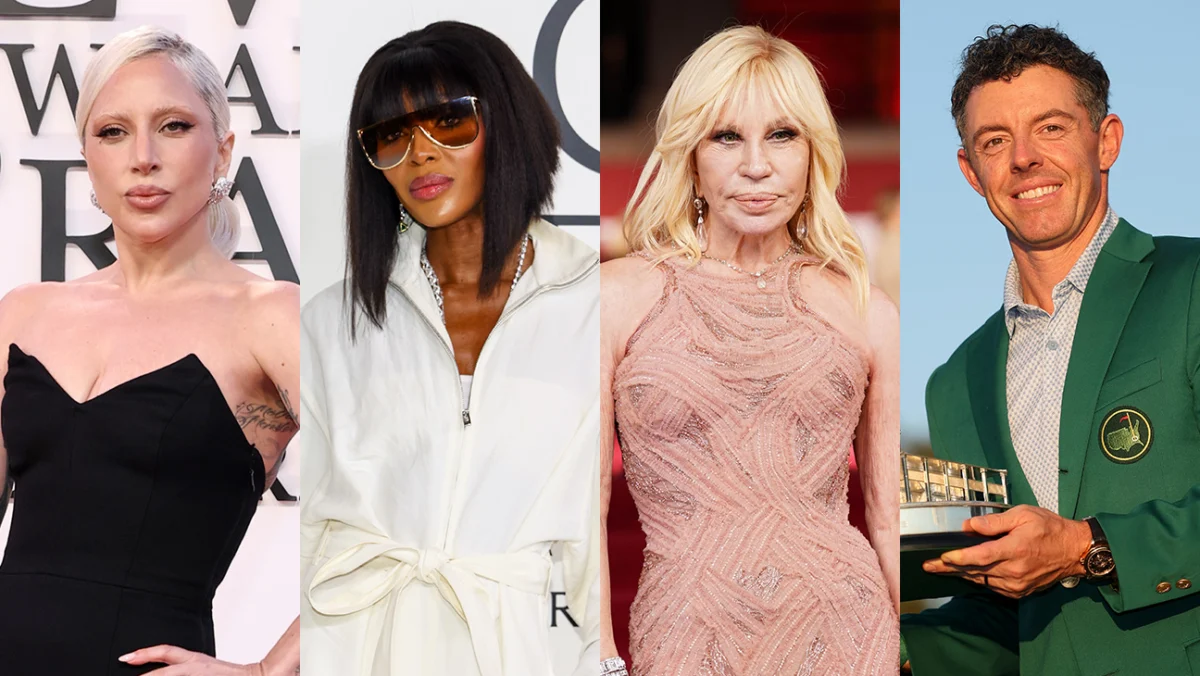
The highly anticipated sequel to David Frankel’s iconic fashion film, The Devil Wears Prada 2, has officially landed in theaters, not only reuniting beloved characters but also dazzling audiences with an unprecedented assembly of fashion titans, A-list celebrities, influential journalists, celebrated athletes, and digital influencers. The film, which serves as a 20-year follow-up to the original, has already made significant waves at the box office, shattering previous records since its release last weekend. This success underscores the enduring appeal of the Devil Wears Prada universe and its ability to captivate audiences with its blend of high-stakes fashion, personal ambition, and sharp wit.

At the heart of the narrative, Anne Hathaway reprises her role as Andy Sachs, now a seasoned professional who has returned to the prestigious pages of Runway magazine. Her reappearance is not merely a nostalgic nod but a crucial element in the film’s exploration of the evolving media landscape. Andy is tasked with assisting the formidable Miranda Priestly, once again embodied by Meryl Streep, as Runway grapples with the seismic shifts from the dominance of print to the pervasive influence of digital advertising and online content. This central conflict provides a contemporary backdrop for the film, reflecting real-world challenges faced by legacy media organizations in the 21st century.

While the return of Streep and Hathaway, alongside Emily Blunt as the ever-stunning Emily Charlton and Stanley Tucci as the dapper Nigel, were the primary draws for many fans, The Devil Wears Prada 2 distinguished itself by weaving an extensive tapestry of cameo appearances. These moments, though often brief, served to amplify the film’s immersion into the rarefied world of fashion and celebrity, providing a star-studded panorama that has generated significant buzz.

A Galaxy of Stars Descends Upon Runway
The film’s commitment to showcasing the breadth of influence within the fashion and entertainment industries is evident in its meticulously curated guest list. Among the most notable appearances are fashion royalty like Naomi Campbell, a veritable icon of the runway, and Donatella Versace, whose name is synonymous with haute couture. Joining them in this sartorial celebration are design luminaries such as Marc Jacobs and the legendary duo Domenico Dolce and Stefano Gabbana, whose presence underscores the film’s dedication to authenticating its glamorous setting.

Beyond the fashion elite, the sequel attracted a diverse array of prominent figures. Pop culture phenomenon Lady Gaga delivers a memorable musical cameo, adding a vibrant and electrifying dimension to the film. Sports enthusiasts were treated to appearances by Masters champion Rory McIlroy and NBA star Karl-Anthony Towns, highlighting the intersection of athletic prowess and global celebrity. Even supermodel Heidi Klum makes a welcome appearance, further cementing the film’s status as a convergence of influential personalities.

These cameos are not mere superficial inclusions; they serve to deepen the film’s narrative by populating Andy’s world with figures who embody the very industries and cultural spheres she navigates. Each appearance, however fleeting, adds a layer of authenticity and aspiration, reinforcing the high-stakes environment of Runway and the broader ecosystem it represents. The sheer density of these recognizable faces transforms the viewing experience into a game of spotting familiar icons, a testament to the film’s ambitious casting strategy.

The Road to Runway 2: A Two-Decade Journey
The journey from the original The Devil Wears Prada in 2006 to its sequel twenty years later is a narrative in itself. The first film, based on Lauren Weisberger’s 2003 novel, became a cultural touchstone, lauded for its sharp portrayal of workplace dynamics, its exploration of personal sacrifice for career advancement, and, of course, its impeccable fashion. Meryl Streep’s performance as Miranda Priestly garnered widespread acclaim, earning her an Oscar nomination and solidifying the character as one of cinema’s most memorable antagonists. Anne Hathaway’s portrayal of Andy, the seemingly out-of-place journalism graduate thrust into the demanding world of fashion, resonated with a generation of aspiring professionals.

The initial success of the film sparked decades of speculation and fan demand for a sequel. The intervening years saw the original cast members express varying degrees of openness to a return, with the complexities of scheduling, script development, and contractual agreements often cited as hurdles. The announcement of The Devil Wears Prada 2 in late 2024, following years of persistent rumors, was met with widespread excitement, reigniting the conversation around the film’s legacy and its potential to address contemporary issues.

The development process for the sequel reportedly involved extensive consultation with industry insiders and a deliberate effort to reflect the significant changes in media and fashion since 2006. Director David Frankel returned to helm the project, bringing with him a vision to honor the original’s spirit while charting new territory. The decision to focus on the decline of print and the rise of digital media provided a timely and relevant narrative anchor, allowing the characters to evolve alongside their industry.

Navigating the Digital Frontier: Plot and Cameo Integration
The Devil Wears Prada 2 picks up with Andy Sachs having successfully transitioned from her initial role as Miranda’s assistant to a position of greater influence within Runway. Her new role as features editor places her at the forefront of the magazine’s efforts to adapt to the digital age. The film delves into the challenges of maintaining editorial integrity and brand relevance in an era dominated by social media, influencer marketing, and rapidly shifting consumer attention spans.

The numerous celebrity and fashion cameos are strategically woven into the fabric of Andy’s work and the magazine’s operations. Figures like Lady Gaga might appear as a sought-after artist for a cover story, while designers like Versace and Dolce & Gabbana are depicted in crucial meetings discussing brand collaborations or upcoming fashion shows. Athletes such as Karl-Anthony Towns and Rory McIlroy could be featured in lifestyle segments or as ambassadors for Runway‘s digital initiatives. These appearances serve not only as star power but also as narrative devices, illustrating the interconnectedness of the fashion world and its symbiotic relationship with broader cultural trends.

The integration of these diverse personalities reflects the modern media landscape where lines between industries are increasingly blurred. Runway, under Miranda’s and Andy’s guidance, must now court not only traditional advertisers but also social media influencers, digital content creators, and personalities from the sports and music worlds to maintain its readership and financial viability. The cameos thus represent the diverse pool of talent and influence that Runway must engage with to survive and thrive.

Notable Absences and Lingering Questions
Despite the film’s impressive roster of guest stars, it is also noteworthy that certain anticipated appearances did not materialize. Reports had circulated about potential cameos from actors like Sydney Sweeney and Adrian Grenier, who played Andy’s ex-boyfriend Nate in the original. The absence of these figures, along with fashion titan Anna Wintour, has been a point of discussion among fans and critics. The article notes that the final cut omitted these rumored appearances, along with those of Conrad Ricamora. Such omissions are a natural part of the filmmaking process, where creative decisions and logistical challenges can lead to the exclusion of certain individuals or storylines.

The decision not to include Adrian Grenier, for instance, suggests a narrative choice to perhaps distance Andy’s professional life from her past romantic entanglements, or to focus on her current ambitions without dwelling on prior relationships. The absence of Anna Wintour, the real-life inspiration for Miranda Priestly, while perhaps surprising given her status, also speaks to the film’s desire to stand on its own merits and not rely solely on meta-commentary. The film, through its extensive casting of other prominent figures, effectively creates its own pantheon of industry leaders.

Box Office Success and Critical Reception
The immediate box office success of The Devil Wears Prada 2 indicates a strong public appetite for the continuation of this beloved story. Breaking records upon its opening weekend is a significant achievement, particularly in the current competitive film market. This financial triumph suggests that the sequel has not only met but potentially exceeded audience expectations, capitalizing on the nostalgia for the original while offering a fresh, relevant narrative.

Early critical reviews have generally praised the film’s ability to recapture the magic of its predecessor while effectively updating its themes for a modern audience. The performances of Meryl Streep and Anne Hathaway continue to be highlighted as central to the film’s success, with critics noting their chemistry and their ability to convey the complex evolution of their characters. The sheer scale of the cameo appearances has also been a frequent topic of discussion, often framed as a bold and effective strategy to amplify the film’s glamorous and influential setting.

However, as with any sequel, some critics have pointed out the inherent challenges of living up to the original’s iconic status. The balance between nostalgia and innovation is a delicate one, and while The Devil Wears Prada 2 appears to have struck a chord with audiences, ongoing reviews will likely delve deeper into its thematic explorations and narrative execution. The film’s impact on the fashion and entertainment industries, both as a cultural artifact and as a commercial entity, will continue to be analyzed in the weeks and months following its release.

Broader Implications and the Future of Fashion Media
The Devil Wears Prada 2‘s narrative focus on the struggles of print media in the digital age is particularly pertinent. The film serves as a compelling, albeit fictionalized, case study of the challenges and opportunities facing legacy publications. By showcasing Runway‘s efforts to adapt through digital strategies, influencer collaborations, and diversified content, the movie offers a glimpse into the strategies that real-world media organizations are employing.

The extensive use of cameos from a wide spectrum of influential figures underscores the interconnectedness of modern celebrity and media. The film effectively portrays how fashion brands and publications now operate within a broader cultural ecosystem, drawing influence and attention from across various industries. This interwoven nature of fame and influence is a defining characteristic of the 21st century, and The Devil Wears Prada 2 captures this phenomenon with remarkable breadth.

The sequel’s success also reaffirms the enduring power of strong characters and compelling narratives within the fashion genre. While the glamour and the clothes are undoubtedly a draw, the film’s core appeal lies in its exploration of ambition, identity, and the often-complex relationships that shape professional lives. As The Devil Wears Prada 2 continues its run in theaters, its impact will likely extend beyond box office numbers, sparking conversations about the future of fashion media, the nature of celebrity, and the timeless pursuit of success in a constantly evolving world. The film’s ability to attract such a star-studded ensemble and resonate with audiences across generations solidifies its place as a significant cultural event and a worthy successor to its beloved predecessor.