Jono Maryono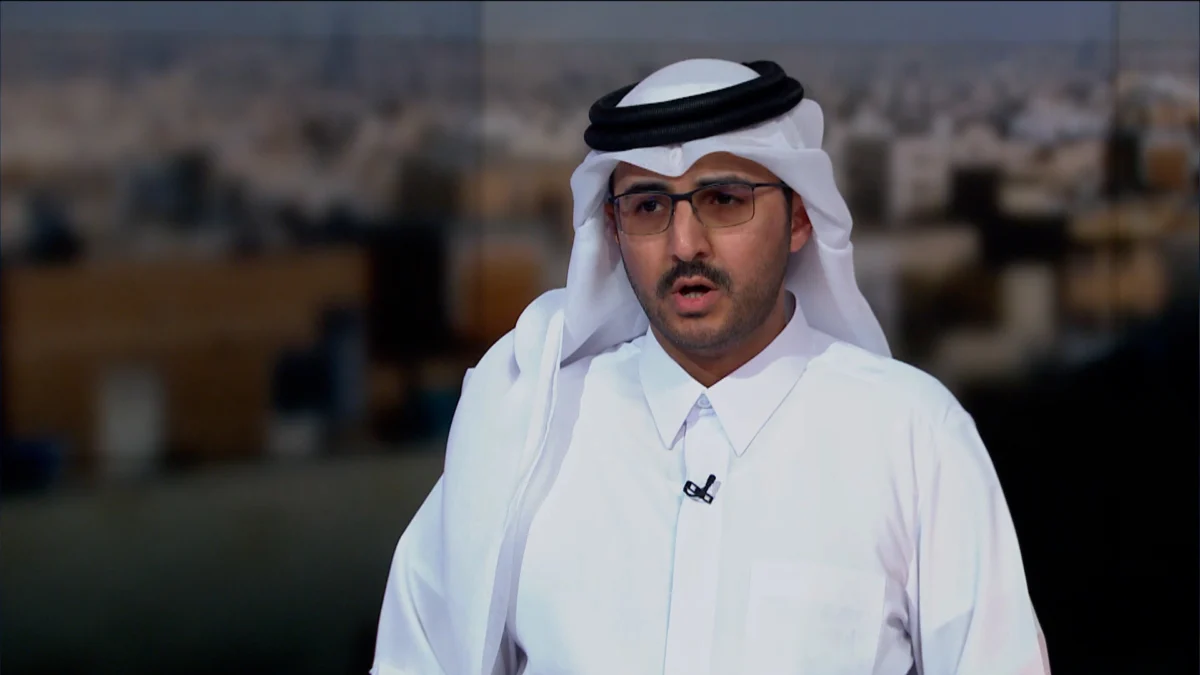
Tehran, Iran – Iran has indicated a potential willingness to provide assurances regarding the specific applications of its nuclear facilities, a development that could represent a nuanced shift in its long-standing nuclear program stance. However, senior researcher Sultan Al-Khulaifi clarified that this potential flexibility does not extend to the destruction of existing uranium stockpiles or their relocation outside the country. This statement, made on May 10, 2026, comes amidst ongoing international scrutiny and complex diplomatic maneuvering surrounding Iran’s nuclear ambitions, particularly in the context of its enriched uranium reserves.
The pronouncements suggest that while Iran remains firm on core aspects of its nuclear program, particularly concerning its indigenous enrichment capabilities and material, it may be open to dialogue on the operational parameters and oversight of its nuclear infrastructure. This distinction between controlling its enriched material and potentially offering transparency on its utilization could be a critical point of negotiation in future discussions with international bodies and world powers. The international community has consistently sought assurances that Iran’s nuclear activities are solely for peaceful purposes, and any move towards greater transparency, even if limited, could be viewed as a step in that direction.
Background and Context of Iran’s Nuclear Program
Iran’s nuclear program has been a subject of international concern for decades, primarily due to its potential dual-use nature, capable of producing both civilian power and, potentially, fissile material for nuclear weapons. The program gained significant international attention following revelations in the early 2000s, leading to a series of United Nations Security Council resolutions and sanctions aimed at curbing its perceived proliferation risks.
A pivotal moment in this saga was the Joint Comprehensive Plan of Action (JCPOA), commonly known as the Iran nuclear deal, which was agreed upon in July 2015 between Iran and the P5+1 countries (China, France, Russia, the United Kingdom, the United States, plus Germany). The JCPOA imposed strict limits on Iran’s nuclear activities in exchange for sanctions relief. These limits included reducing Iran’s enriched uranium stockpile, limiting the number and type of centrifuges used for enrichment, and implementing an enhanced inspection regime by the International Atomic Energy Agency (IAEA).
However, the United States unilaterally withdrew from the JCPOA in May 2018 under the Trump administration, reimposing stringent sanctions on Iran. This withdrawal led to Iran gradually escalating its nuclear activities in response, including increasing uranium enrichment levels beyond the limits set by the JCPOA and resuming certain research and development activities. As of early 2026, Iran is reportedly enriching uranium to levels significantly higher than previously declared, fueling concerns about its proximity to weapons-grade material.
The current stance, as articulated by Al-Khulaifi, appears to acknowledge the international community’s deep-seated anxieties about the potential weaponization of its nuclear material. By suggesting "assurances on the use of nuclear facilities," Iran might be signaling a willingness to engage on the practical application of its enriched uranium, perhaps in areas like medical isotopes or research, while maintaining its sovereign right over the material itself.
Timeline of Key Developments
- Early 2000s: International concerns mount over Iran’s clandestine nuclear activities.
- 2003: Iran agrees to suspend uranium enrichment voluntarily.
- 2005: Iran resumes some nuclear activities, including research into uranium enrichment.
- 2006-2010: UN Security Council passes multiple resolutions imposing sanctions on Iran due to its nuclear program.
- July 2015: JCPOA is finalized, imposing limits on Iran’s nuclear program in exchange for sanctions relief.
- May 2018: United States withdraws from the JCPOA and reimposes sanctions.
- 2019-2025: Iran gradually rolls back its JCPOA commitments, increasing enrichment levels and stockpiles.
- Early 2026: Reports emerge of Iran enriching uranium to near-weapon-grade levels.
- May 10, 2026: Senior researcher Sultan Al-Khulaifi states Iran will not destroy or export uranium but may offer assurances on the use of nuclear facilities.
Supporting Data and International Monitoring
The International Atomic Energy Agency (IAEA) plays a crucial role in monitoring Iran’s nuclear program. According to recent IAEA reports, Iran’s enriched uranium stockpile has continued to grow. While specific figures are often subject to ongoing verification and diplomatic sensitivities, estimates suggest that Iran has amassed a significant quantity of enriched uranium, far exceeding the limits stipulated in the JCPOA. The enrichment levels themselves have also become a point of contention, with reports indicating Iran has produced uranium enriched to levels approaching 60%, a significant step closer to the approximately 90% needed for a nuclear weapon.
The IAEA’s access to Iran’s nuclear sites, while generally robust under the JCPOA’s Additional Protocol, has faced intermittent challenges and restrictions. These challenges have sometimes led to difficulties in fully verifying the peaceful nature of all nuclear activities. The proposed "assurances on the use of nuclear facilities" could potentially involve enhanced monitoring or transparency mechanisms related to the intended applications of enriched uranium, such as dedicating specific facilities or processes for non-military purposes and allowing for international observation of these operations.
For instance, if Iran were to offer assurances on the use of enriched uranium for medical isotope production, this could involve allowing IAEA inspectors to verify that the enrichment levels and processes are consistent with medical requirements and that no diversion to weapons-grade material occurs. Similarly, for research purposes, assurances might entail transparency about the scope and nature of research activities involving enriched uranium.
Potential Reactions and Diplomatic Implications
The statement from Al-Khulaifi is likely to elicit a range of reactions from the international community.
Western Powers: Nations that were signatories to the JCPOA, particularly the United States and European powers, will likely scrutinize the offer of "assurances" closely. They will seek concrete details on what these assurances entail and how they would be verified. A key concern will be whether these assurances are sufficient to provide genuine confidence that Iran’s nuclear program remains exclusively peaceful. The refusal to destroy or export uranium will be a significant point of contention, as these were core demands for many international actors seeking to limit Iran’s breakout capability.
Regional Powers: Neighboring countries in the Middle East, many of whom harbor deep security concerns about Iran’s nuclear program and its regional influence, will also be closely observing these developments. Some may welcome any sign of de-escalation and dialogue, while others will remain wary of Iran’s intentions. The perception of Iran’s nuclear capabilities significantly influences regional security dynamics, including potential arms races.
International Atomic Energy Agency (IAEA): The IAEA, as the primary international watchdog for nuclear activities, will be central to any verification of proposed assurances. Director General Rafael Grossi and his team will likely engage with Iranian officials to understand the specifics of the offer and assess its technical feasibility and verifiability. The agency’s independence and technical expertise will be paramount in building trust and confidence.
Broader Impact and Analysis
The subtle distinction made by Al-Khulaifi – refusing to destroy or export uranium but offering assurances on facility use – presents a complex diplomatic landscape.
Maintaining Indigenous Capability: Iran’s insistence on retaining its uranium stockpiles underscores its strategic objective of maintaining a degree of nuclear self-sufficiency and leverage. Destroying or transferring its enriched material would significantly curtail its immediate capacity to pursue advanced nuclear technologies, which it may view as essential for national security and technological development.
A Path to De-escalation?: The offer of assurances, if substantive and verifiable, could open a new avenue for dialogue and de-escalation. It suggests a potential recognition by Tehran that outright defiance is not conducive to achieving its broader foreign policy and economic objectives, particularly in light of the severe impact of sanctions. This could be a strategic move to test the waters for renewed negotiations or to gain international sympathy.
Challenges in Verification: The primary challenge will lie in defining and verifying these "assurances." Without a clear framework for inspection and monitoring, such assurances could be open to interpretation and evasion. The international community will need to ensure that any agreement reached is robust enough to provide credible guarantees against diversion for military purposes.
The "Breakout" Question: The core international concern remains Iran’s potential to develop nuclear weapons. While not agreeing to destroy or export its uranium, Iran’s continued enrichment activities, even if focused on specific peaceful uses, keep the theoretical "breakout" capability alive. The international community will be watching closely to see if the proposed assurances truly limit Iran’s ability to rapidly advance towards a nuclear weapon.
In conclusion, Iran’s stated position on its nuclear program, as articulated by Sultan Al-Khulaifi, signifies a nuanced approach. While maintaining its control over enriched uranium, the potential willingness to offer assurances on facility use introduces a new element into the ongoing nuclear diplomacy. The success of this potential avenue will hinge on the clarity, verifiability, and international acceptance of these assurances, and whether they can genuinely address the world’s long-standing concerns about the peaceful nature of Iran’s nuclear endeavors. The coming weeks and months will be critical in determining whether this statement represents a genuine shift towards transparency or a tactical maneuver within a complex geopolitical game.