
 Ana Megawati
British novelist Victoria Hislop found herself thrust into an unexpected arena of physical and psychological endurance when she accepted an invitation to compete on the Greek adaptation of the BBC’s long-running television franchise, Strictly Come Dancing. Known locally as Dancing With the Stars, the high-profile production on Greece’s Star Channel presented a formidable challenge for the author, whose literary success had firmly cemented her status as a celebrated cultural figure in the Mediterranean nation. The experience, undertaken amidst strict pandemic safety measures, tested the limits of her resilience following intensive medical treatments.
Main Facts of the Production and Participant Profile
Broadcast on Star Channel, one of the country’s leading commercial television networks, the Greek iteration of Dancing With the Stars adheres closely to the production standards established by the original British format. The programme utilizes identical studio designs, polished performance surfaces, and costumes circulated across more than 70 international adaptations worldwide.
Hislop joined a diverse cohort of roughly a dozen contestants consisting of Olympic athletes, professional models, television presenters, and prominent media personalities. Among the cast was Bessy Argyraki, a veteran Greek pop singer who represented the country at the Eurovision Song Contest in 1977. Hislop’s participation occurred roughly six months after she completed medical treatments for cancer, adding an extraordinary layer of physical vulnerability to the rigorous rehearsal schedule. Her daily routine involved intense physical exertion, compounded by lingering side effects from post-cancer pharmaceutical therapies, reliance on pain management medication, and the physical toll of learning complex ballroom choreography.
Background Context and Cultural Standing in Greece

Victoria Hislop’s integration into Greek public life began long before her television debut. She achieved widespread acclaim as a bestselling author, most notably through her 2005 debut novel, The Island, which explores the history of a former leper colony off the coast of Crete. In 2010, the novel was adapted into a 26-part television drama series titled To Nisi, broadcast on Mega Channel. The series achieved the highest viewership ratings in the history of Greek television drama, transforming Hislop into a household name.
In recognition of her literary contributions and her deep cultural affinity with the country, the Greek Prime Minister granted her honorary citizenship in 2020. This status elevated her presence in the public eye, ensuring that her entry into a mainstream entertainment competition would attract substantial media scrutiny and widespread viewership among the Greek public, who tuned in regularly for the Sunday night broadcasts.
Timeline of the Competition and Rehearsal Chronology
The journey from initial acceptance to the live broadcast spanned approximately three months, characterized by an intensive preparation period:
- Pre-Season Preparation: Hislop engaged in six weeks of rigorous daily rehearsals alongside her assigned professional dance partner. Training sessions took place almost every day, with supplementary practice conducted at home via mobile video recordings.
- Final Dress Rehearsal: In the days leading up to the premiere, Hislop experienced acute performance anxiety, reporting an inability to eat for two days prior to the broadcast. During final run-throughs, she struggled to retain choreography, drawing criticism from the production director, choreographer, and her dance partner.
- The Live Premiere: On Sunday evening, following technical preparations involving extensive costuming, prosthetic adjustments, and heavy stage makeup, Hislop performed an airport-themed routine. Despite initial dread, muscle memory and instinct superseded her anxiety during the live performance.
- Subsequent Weeks and Elimination: Hislop survived multiple elimination rounds over several weeks, improving her technical proficiency before ultimately being voted out of the competition by the studio audience and judging panel.
Statements, Reactions, and Internal Perspectives
The production environment was defined by high pressures and rigorous professional standards. While directors and choreographers maintained strict expectations, camaraderie developed among the cast members. Hislop and fellow contestant Bessy Argyraki frequently supported one another through the physical and emotional demands of the show, bonding over the steep learning curve required to master ballroom and Latin disciplines.
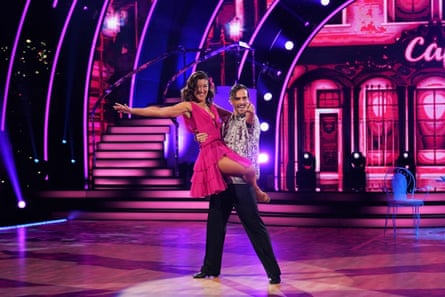
Reflecting on the psychological shift during her first live performance, Hislop noted the transition from conscious panic to subconscious execution. The necessity of abandoning analytical thought in favor of pure muscle memory created an unfamiliar state of psychological detachment from her anxieties, which she described as a transcendental experience during the final notes of the routine.
Broader Impact, Implications, and Literary Pursuits
Participation in Dancing With the Stars served as a personal milestone for Hislop, functioning as a physical affirmation of recovery following serious illness. While reality television competitions are primarily designed for commercial entertainment and audience engagement, the narrative surrounding Hislop’s involvement underscored themes of post-treatment rehabilitation, adult learning, and cultural integration.
The physical toll of the competition—marked by bruised limbs, bunions, and structural exhaustion—contrasted sharply with the polished, glamorous aesthetic projected to millions of viewers on Sunday nights. Following her tenure on the programme, Hislop continued her literary career, releasing subsequent works that further explore Mediterranean history and culture, including her novel The Wine-Dark Sea.









