
 Johny Marice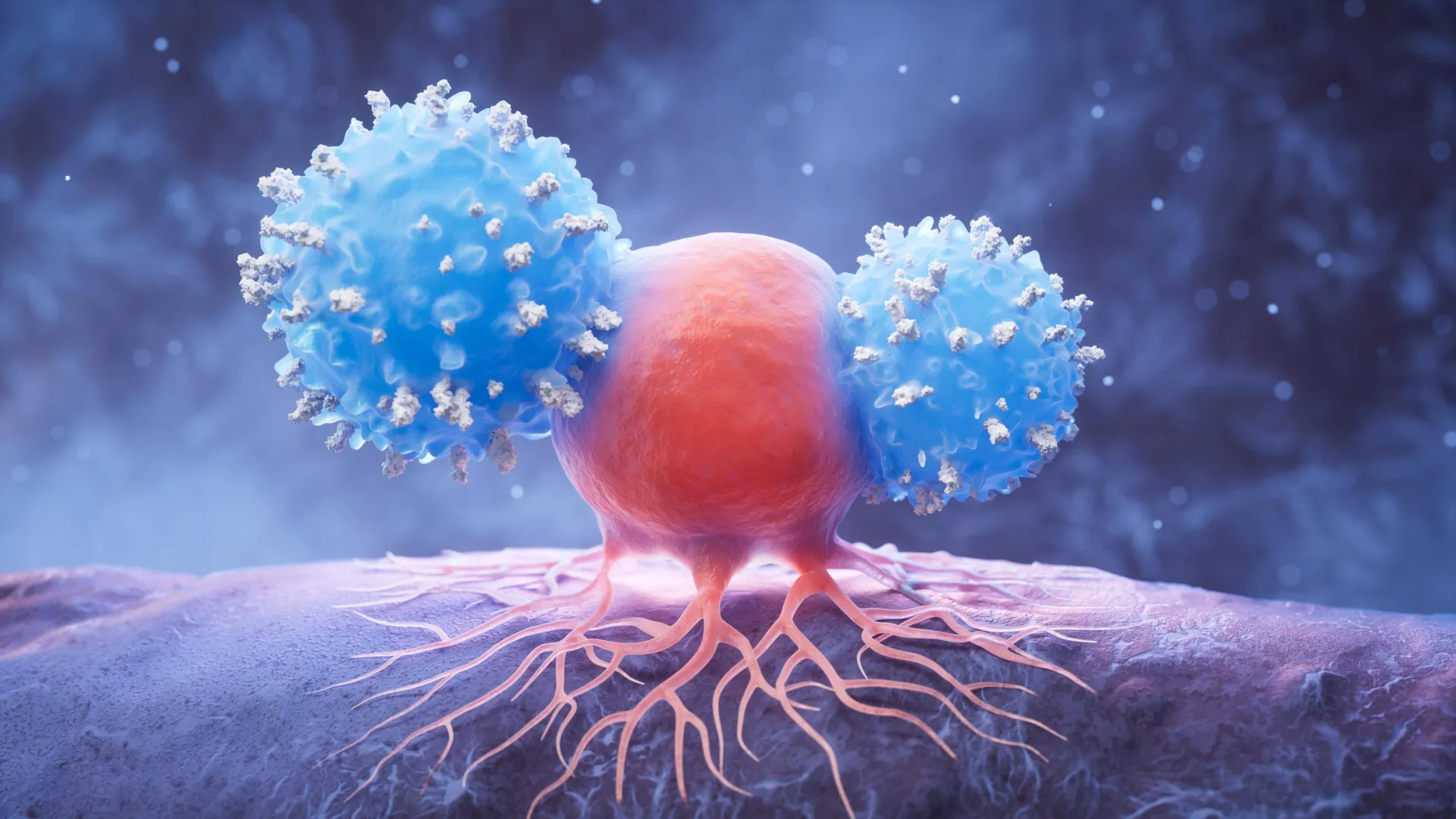
For 55-year-old Edward (Ed) Waldner, the onset of his illness was as subtle as it was debilitating. A lingering, profound exhaustion—the kind that sleep could not remedy—was his first warning sign. Initially attributing his fatigue to the stresses of daily life or perhaps a condition like sleep apnea, Waldner remained unaware that a silent, aggressive transformation was occurring within his skull. The reality only crystallized when his physical coordination began to falter; his heels started dragging, a subtle but ominous shift in his gait that signaled neurological distress. A subsequent trip to the Emergency Department resulted in a life-altering diagnosis: a mass on his brain identified as glioblastoma.
Glioblastoma (GBM) remains one of the most formidable challenges in modern oncology. It is a grade IV astrocytoma, characterized by its rapid cellular division and its insidious tendency to infiltrate healthy brain tissue like a root system, making complete surgical excision nearly impossible. The current standard of care, known as the Stupp protocol, involves maximal safe surgical resection followed by concurrent radiation therapy and temozolomide chemotherapy. Despite these rigorous interventions, the prognosis remains somber; the five-year survival rate for glioblastoma patients is approximately 5 to 10 percent, a statistic that has remained largely stagnant for two decades.
The Intersection of Nutrition and Immunology
In a quest to move beyond the limitations of standard care, researchers at the University of Calgary’s Hotchkiss Brain Institute and the Arnie Charbonneau Cancer Institute have launched a pioneering investigation into the therapeutic potential of high-dose niacin, or vitamin B3. The clinical trial, which has enrolled patients like Waldner, seeks to determine if this essential nutrient can serve as a metabolic "reboot" for the immune system in the presence of malignant brain tumors.
The scientific rationale for this approach lies in the tumor’s sophisticated survival mechanisms. Glioblastoma cells are adept at manipulating their microenvironment to suppress the patient’s immune response. Specifically, the tumor recruits and modifies immune cells, effectively "turning off" their ability to recognize and destroy cancerous tissue. By utilizing niacin—a precursor to nicotinamide adenine dinucleotide (NAD+), a coenzyme essential for cellular energy metabolism—the researchers aim to restore the functionality of these suppressed immune cells.
"Normally the immune system will try to counter and prevent tumor growth, however, this brain cancer suppresses the immune system," explains Wee Yong, PhD, a neuroscientist at the Cumming School of Medicine (CSM) and a lead investigator on the study. "Niacin treatment rejuvenates immune cells so they can do what they are supposed to do, attack and kill the cancer cells. I see it as an ongoing ‘battle for the brain’."
From Bench to Bedside: A Chronology of Discovery
The journey of this research began in the controlled environment of the laboratory. Before human trials were authorized, Dr. Yong’s team conducted extensive experiments using murine models. The preclinical data were compelling: mice treated with targeted doses of niacin demonstrated a significant extension in survival compared to control groups. These findings provided the necessary evidence for institutional review boards to approve a combined Phase I/II clinical trial.
Phase I of the study was primarily designed to establish the safety profile and the maximum tolerated dose of niacin when administered in conjunction with standard radiotherapy and chemotherapy. Phase II, which is currently ongoing, focuses on clinical efficacy. The inclusion of patients like Waldner highlights the desperate need for adjunctive therapies that offer hope where standard protocols reach their limits. For many, the trial represents a bridge to future innovations. "When I left the hospital after surgery I was told, that’s it, that’s all we can do," Waldner recalls. "I can tell you being part of this research helps me mentally because we’re trying."
Analyzing the Early Clinical Signal
The preliminary results, published in the Journal of Neuro-Oncology, have provided a flicker of optimism for the medical community. The research team set a rigorous benchmark for success: they would only consider the trial a potential breakthrough if the six-month progression-free survival (PFS) rate improved by at least 20 percent over historical data.
In the cohort of 24 patients, the findings surpassed this threshold. At the six-month mark, 82 percent of participants remained progression-free. When compared to the historical benchmarks, this represents a 28 percent improvement. While the sample size is modest and the results remain preliminary, the statistical signal is significant enough to warrant continued investigation and funding.
However, the investigators are careful to temper expectations. "Glioblastoma is the most aggressive brain cancer in adults," notes Gloria Roldan Urgoiti, MD, a clinical associate professor at the CSM and a co-lead on the study. "Survival of patients with this condition hasn’t changed significantly for 20 years. Anything that may help should be explored, but it requires strict protocols and safety monitoring."
Safety Warnings and Clinical Oversight
A critical aspect of this research is the distinction between dietary niacin supplementation and the high-dose clinical protocol being tested. There is a pervasive, and potentially dangerous, public misconception that "natural" supplements are inherently safe, regardless of dosage. The researchers emphasize that high-dose niacin is a pharmacological intervention, not a nutritional choice for self-medication.
At high doses, niacin can induce significant toxicity, including liver dysfunction, glucose intolerance, and skin flushing. In the context of the clinical trial, participants are subjected to frequent blood tests, imaging, and physical assessments to monitor for adverse effects. The delivery mechanism is also highly controlled, utilizing a slow-release formulation to mitigate the rapid spikes in niacin levels that could otherwise be harmful. Experts warn that patients should never attempt to replicate these doses outside of a clinical trial environment, as the lack of medical oversight could result in severe, life-threatening complications.
Broader Implications for Neuro-Oncology
The potential success of this study carries broad implications for how clinicians view the role of metabolism in oncology. If niacin can successfully "reawaken" the immune system to recognize glioblastoma, it could pave the way for a new class of adjuvant therapies that are low-cost and readily available.
Furthermore, this research underscores the shifting paradigm in cancer treatment—moving away from a singular focus on "killing the tumor" toward a more holistic approach that involves "strengthening the host." By treating the immune system as an active participant in the therapeutic process, rather than a passive bystander, the University of Calgary team is aligning with the broader trend toward immunotherapy in modern medicine.
Looking Toward 2027
As the trial moves forward, the researchers aim to reach a target enrollment of 48 participants. The final analysis, expected in late 2026 or early 2027, will provide a more comprehensive view of whether niacin can truly move the needle on long-term survival for glioblastoma patients.
For the participants, the study offers more than just potential physiological benefits; it provides a sense of agency in the face of an incurable diagnosis. Waldner, who continues to undergo routine scans, describes his current status with a sense of cautious gratitude. Every time his medical team reports that his condition is "stable," it is a victory.
The trial is currently supported by the Canadian Institutes of Health Research and the Alberta Cancer Foundation, reflecting a institutional commitment to tackling one of the most stubborn adversaries in neurology. Whether niacin will become a staple of future glioblastoma protocols remains to be seen, but the current data suggest that the "battle for the brain" may have gained a new, unexpected weapon in the fight for patient survival. As the medical community waits for the final results, the focus remains on rigorous safety, data-driven analysis, and the hope that incremental gains in the lab will eventually translate into meaningful, life-extending outcomes for patients navigating the uncertain path of brain cancer.









