
 Johny Marice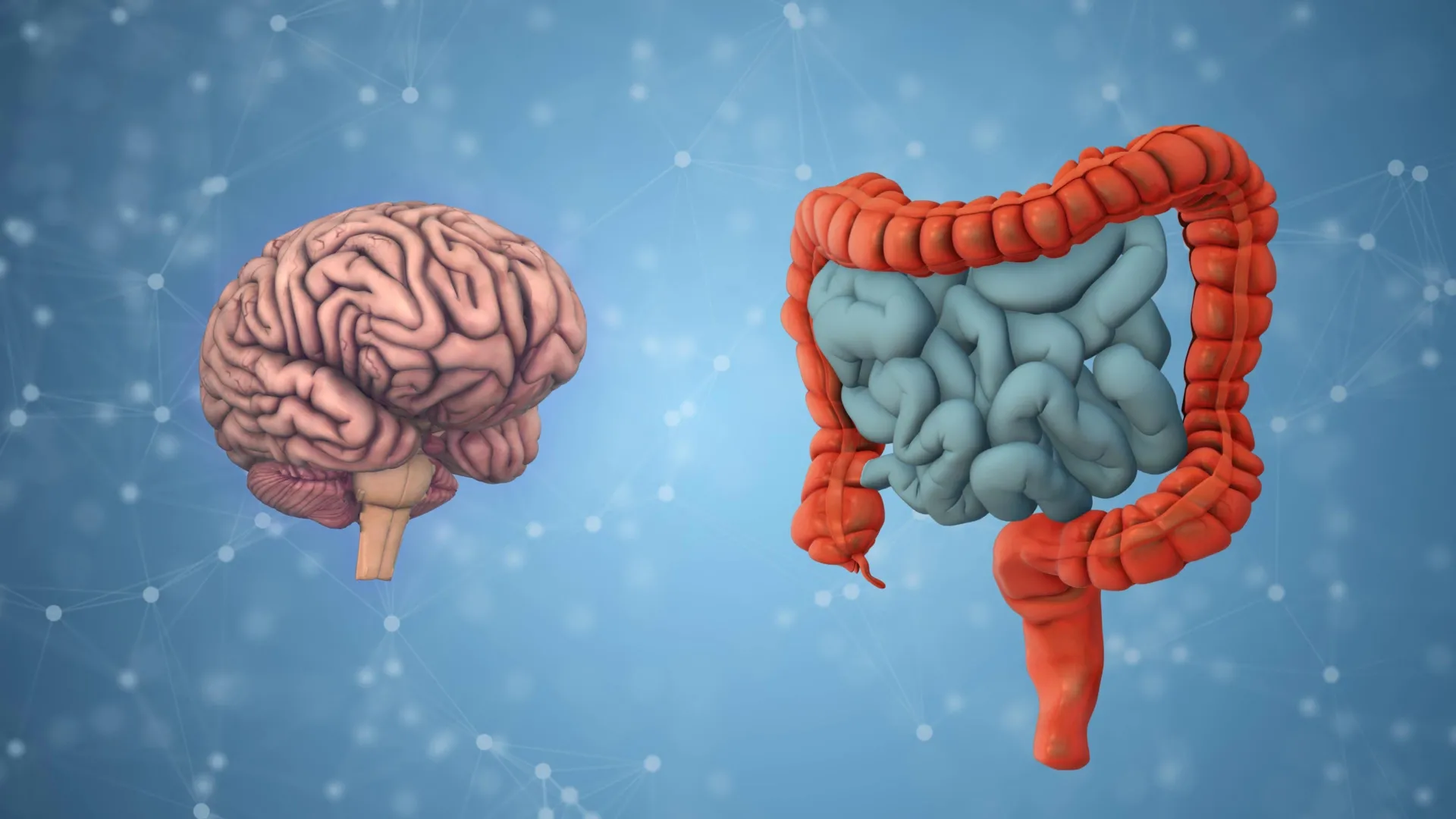
A groundbreaking investigation conducted by researchers at UCLA Health has unveiled a profound biological connection between the microscopic world of the human gut and the macro-scale health of the human brain. The study, published in the journal eBioMedicine, posits that the physiological pace of brain aging is inextricably linked to the composition of gut bacteria and the chemical metabolites they produce. This discovery marks a significant shift in neurological science, suggesting that the structural and functional decline often associated with advanced age may be detectable decades before clinical symptoms such as memory loss or cognitive impairment manifest.
The Science of Brain Age Discrepancy
For years, neuroscientists have utilized advanced neuroimaging techniques to calculate a "brain age," a metric that often deviates from a patient’s chronological age. This discrepancy, known as the Brain Aging Index (BAI), provides a snapshot of the brain’s integrity. When an individual’s brain appears structurally or functionally "older" than their actual age, clinical literature has consistently correlated this state with diminished executive function, impaired working memory, and a higher propensity for mood disorders.
Historically, however, the medical community’s focus remained fixed on geriatric populations or patients already suffering from diagnosed neurodegenerative pathologies such as Alzheimer’s or Parkinson’s disease. The UCLA study bridges this knowledge gap by shifting the focus to younger, asymptomatic adults. By examining a cohort of nearly 1,500 participants across three distinct groups, the research team aimed to determine if these early indicators of brain aging are present in the general population, long before the onset of age-related cognitive decline.
Methodology and Analytical Framework
The researchers employed a sophisticated scanning approach to map the functional connectivity of the brain. Rather than looking for physical lesions or atrophy, the team monitored how different regions of the brain communicate while in a resting state. Using this data, they developed a computational model capable of estimating an individual’s age based on these neural connectivity patterns.
By comparing these estimations against the participants’ actual chronological ages, the researchers were able to quantify the BAI. The data revealed a consistent trend across all cohorts: individuals with a higher BAI exhibited a marked decrease in performance on tests measuring executive function and working memory. These cognitive domains—essential for task planning, information retention, and organizational skills—showed measurable degradation in participants whose brain scans suggested an accelerated biological clock. Furthermore, those with higher indices reported increased symptoms of depression, with scans highlighting specific involvement in regions of the brain responsible for self-referential thought and identity processing.
The Microbiome Connection: A New Frontier
The most innovative component of the UCLA study involves the integration of gut microbiome analysis. For a subset of the study group, researchers collected stool samples to identify potential correlations between the intestinal environment and the Brain Aging Index. The findings were statistically significant, revealing that elevated brain age was associated with the presence of specific microbial strains and a distinct profile of metabolic byproducts.
The identified metabolites included specific fat molecules, a cholesterol-related compound, and notably, lower levels of the hormone estetrol. These findings suggest a multi-systemic pathway where the gut acts as a primary signaling hub. According to the research, these biological signals influence the immune system, the regulation of blood vessel function, the efficiency of inter-cellular communication, and the mitochondrial processes responsible for cellular energy production.
Chronology of the Research and Context
The study is the culmination of years of collaborative research at the UCLA Goodman-Luskin Microbiome Center. It builds upon a decade of mounting evidence suggesting the "gut-brain axis"—a bidirectional communication network linking the enteric nervous system with the central nervous system.
- 2010s: Early research identifies the gut microbiome as a key player in immune regulation and systemic inflammation.
- 2018-2020: Preliminary studies begin to link gut dysbiosis to mood disorders and neuroinflammation.
- 2022-2023: UCLA researchers initiate the multi-group study to standardize the Brain Aging Index across diverse, younger populations.
- 2024: Publication of the findings in eBioMedicine confirms that gut-derived metabolites correlate with measurable brain aging in healthy adults.
Official Perspectives and Expert Analysis
Dr. Arpana Church, the study’s senior author and co-director of the Goodman-Luskin Microbiome Center, emphasized the paradigm shift this research represents. "Brain aging doesn’t suddenly begin when we get older," Dr. Church noted in a press release. "The biological signals are detectable decades earlier. By linking these early changes with the gut microbiome and its metabolites, we are identifying pathways that could help us determine who is at risk and, crucially, where we might intervene to support healthier aging."
From a clinical perspective, the implications are substantial. If researchers can identify individuals at risk of cognitive decline in their 30s or 40s—rather than their 70s—the window for preventative intervention expands significantly. External experts in neurology and gastroenterology have hailed the study for its granular approach, noting that while the study establishes a correlation, it provides a strong foundation for future longitudinal trials.
Broader Implications for Preventive Medicine
The move toward viewing the gut as a modifiable target for brain health represents a potential turning point in preventative medicine. Current strategies for maintaining cognitive health are often limited to lifestyle modifications like physical exercise and diet. While these remain effective, the UCLA findings suggest that future medical strategies could incorporate targeted therapeutics, such as probiotics, prebiotics, or precision medicine designed to alter the gut microbiome and optimize the production of beneficial metabolites.
However, the researchers are careful to urge caution regarding immediate clinical applications. The study does not claim that gut bacteria cause brain aging, but rather that they exist in a complex, correlative loop. Further research is required to determine whether changing the gut environment through dietary interventions or medical treatments can effectively "reverse" or stabilize the Brain Aging Index.
Future Directions
The UCLA team is now turning its attention to the longitudinal aspects of these findings. By tracking the current cohort over the next decade, they hope to observe whether the individuals who currently show a higher BAI are indeed the first to manifest clinical symptoms of cognitive decline.
Furthermore, the research opens new questions regarding the influence of modern lifestyle factors. Given that diet, stress levels, and antibiotic usage can dramatically shift the composition of the gut microbiome, it is possible that the modern environment is accelerating the brain aging process in a way that was not prevalent in previous generations. As researchers continue to map the biochemical pathways between the gut and the brain, the dream of "brain-healthy" aging may eventually transition from a vague goal to a precise, scientifically backed medical discipline.
The integration of microbiome science into neurology provides a new lens through which we view human longevity. As we continue to decode the signals sent from the gut to the brain, the potential to enhance human cognition and preserve mental sharpness well into the later stages of life appears increasingly tangible. For now, the UCLA study stands as a sentinel of progress, reminding the scientific community that the path to a healthier mind may very well start in the gut.









