Ronny Sianturi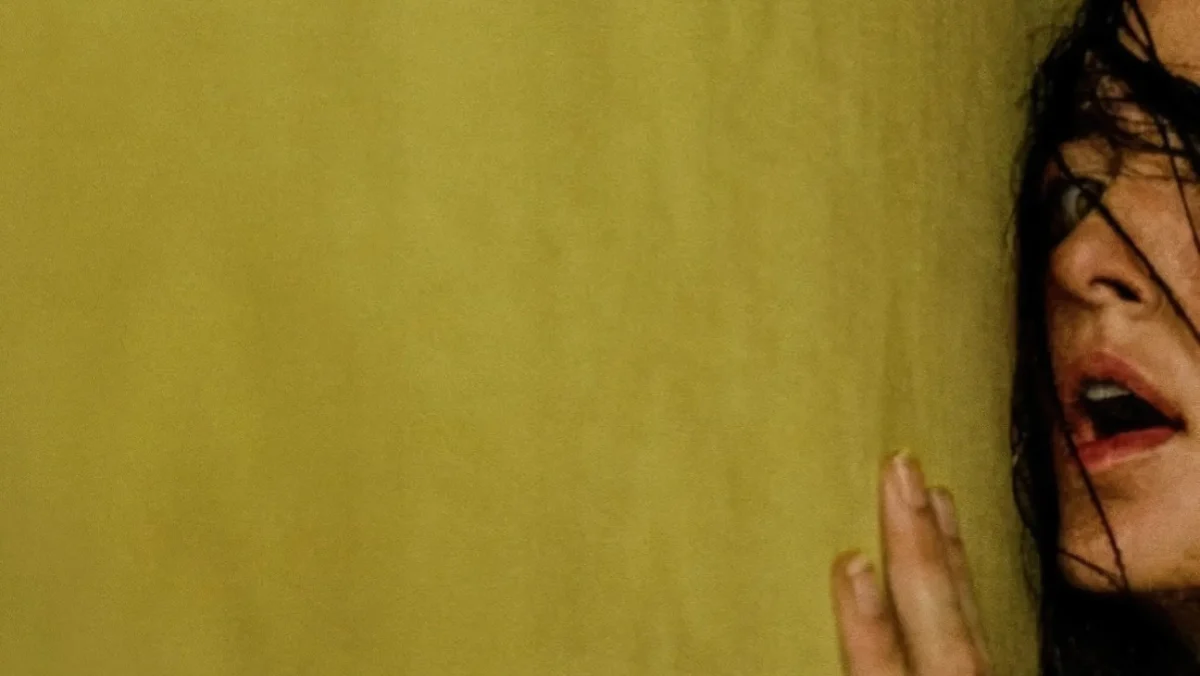
Filmmaker Kane Parsons is ready to take Backrooms from YouTube to the big screen. The 20-year-old Parsons, who will become A24’s youngest feature director when the studio releases his horror movie in theaters on May 29, took the stage at CCXP Mexico on Saturday to share insight into his process. Chiwetel Ejiofor, Renate Reinsve, Mark Duplass, Finn Bennett and Lukita Maxwell star in the film that counts James Wan, Shawn Levy and Osgood Perkins as producers and has a script from Will Soodik.
The Genesis of a Digital Phenomenon
The cinematic adaptation of Backrooms draws its power from a viral YouTube series that Parsons, then a teenager, began uploading in early 2022. Originating from a compelling creepypasta story posted on Reddit in 2019, the concept of the "Backrooms" quickly captured the imagination of the internet. The original narrative described an unsettling, liminal space—an infinite labyrinth of interconnected rooms characterized by monotonous yellow wallpaper and the incessant hum of fluorescent lights. This seemingly simple yet profoundly unnerving concept resonated deeply, spawning a vast collaborative lore and countless fan-made explorations across various online platforms. Parsons’ early video contributions, crafted with a remarkableDIY aesthetic, became a cornerstone of this burgeoning digital mythology, demonstrating a keen understanding of atmospheric horror and psychological dread.
The decision by A24, a studio renowned for its distinctive and often daring cinematic choices, to greenlight a feature film based on this internet phenomenon underscores the growing influence of online content creation on mainstream entertainment. This partnership marks a significant moment in the evolution of digital storytelling, bridging the gap between independent online creators and the established Hollywood studio system. Parsons’ rapid ascent from a teenage YouTuber to a director helming a major studio production, particularly at such a young age, is a testament to the power of viral appeal and original creative vision in the digital age.
A Deeper Dive into the Labyrinth: Parsons’ Vision for the Film
At CCXP Mexico, Parsons articulated his approach to translating the abstract dread of the Backrooms internet lore into a tangible cinematic experience. He emphasized that the film, while drawing heavily from the established series and its lore, aims to offer a more focused and character-driven narrative. “It does take more of a specific approach, where you’re seeing it through the lens of these specific characters — these individuals living these atomized, lonely lives,” Parsons explained. This focus on individual isolation within the vast, impersonal expanse of the Backrooms is a deliberate choice, designed to amplify the psychological horror.
“In the film, there is rarely a moment where there’s more than one or two characters on screen at a given time. It’s a pretty lonely film,” he elaborated. This minimalist character presence is intended to mirror the existential isolation that has become a hallmark of the Backrooms concept, suggesting that the true horror lies not just in the environment itself, but in the profound solitude it imposes upon its inhabitants. The film’s narrative will center on Renate Reinsve’s character, a therapist tasked with finding a missing patient within this bizarre dimension, adding a layer of investigative intrigue to the unfolding terror.
From Pixels to Physicality: The Craft Behind the Creepy
A key element of Parsons’ creative journey has been his self-taught proficiency in the free, open-source 3D graphics software Blender. This tool, which he utilized to construct the unsettling world of his YouTube videos, has been instrumental in the development of the feature film. The transition from digital modeling to a physical set was a meticulous process, aimed at preserving the authentic tone and visual language that fans have come to expect from Backrooms.
“I was working in Blender, modeling the sets, and then we would literally go and build them in real time,” Parsons recounted, highlighting the innovative workflow employed by the production team. This integrated approach, where digital pre-visualization directly informed physical construction, allowed for a seamless translation of the virtual space into a tangible environment. Cinematographer Jeremy Cox played a crucial role in this endeavor, working closely with Parsons to ensure visual continuity between the web series and the film.
The commitment to authenticity extended to even the most minute details. “We did 50 wallpaper tests to get the right shape of yellow,” Parsons revealed, underscoring the dedication to capturing the iconic, unsettling aesthetic of the Backrooms. This obsessive attention to detail demonstrates a profound respect for the source material and a determination to create an immersive experience for the audience.

Building the Infinite: A Tangible Labyrinth
The scale of the physical production was ambitious, with the team constructing an astonishing 30,000 square feet of actual Backrooms sets. This colossal undertaking allowed actors and crew to physically navigate the unsettling spaces, a far cry from the purely digital environments of the original YouTube series. Parsons described the experience of seeing the finished set after stepping away to direct exterior scenes as “the strangest, coolest moment on this project for me.”
The sheer immensity of the built environment had a disorienting effect, even on those involved in its creation. “Actually, some people were getting lost,” Parsons shared with a hint of amusement. “It felt like being there, which was really weird.” This palpable sense of disorientation and immersion was a deliberate goal, aiming to replicate the psychological impact of being trapped within the endless, confusing corridors of the Backrooms.
The Logic of the Void: Maintaining Narrative Coherence
Parsons articulated a clear philosophy regarding the internal logic of the Backrooms universe, emphasizing a commitment to a more grounded form of psychological horror. “I always try to stay away from the idea that the backrooms is somehow a dreamy headspace thing where, if you turn around, the room could have changed,” he stated. Instead, the horror is rooted in the very human capacity for spatial mapping and understanding.
“The hard part for that is, if you go back the way you came, you will go back the way you came, but it just keeps going and going and going,” Parsons explained. This relentless, unchanging nature of the environment, paradoxically, becomes the source of profound dread. The confusion and convolution arise not from a constantly shifting reality, but from the overwhelming, inescapable repetition and the eventual futility of trying to chart a course. “So eventually, you just have to give up trying to map it, whereas if it were constantly changing, you would be giving up a lot faster.” This distinction highlights a sophisticated understanding of how environmental design can contribute to psychological distress.
Echoes of Collective Anxiety: Thematic Resonance
Parsons, who began posting videos to YouTube at the tender age of nine or ten, believes the Backrooms series resonated with audiences due to a “collective anxiety around the system – economic, industrial or otherwise – that has been building for the past few centuries.” This thematic interpretation suggests that the infinite, impersonal nature of the Backrooms serves as a potent metaphor for the alienating and overwhelming forces of modern society. The feeling of being lost and insignificant within a vast, indifferent structure is a sentiment many can relate to in the contemporary world.
He further elaborated on this concept by drawing parallels to sensory deprivation. “The backrooms, to me, has felt aligned with what happens when someone goes through sensory deprivation on the individual level – and you go out in an empty room – and the body, the nervous system needs stimulation so badly [when] it’s deprived of it,” Parsons said. This physiological perspective adds another layer to the horror, suggesting that the mind, starved of external input, begins to construct its own reality, finding patterns and meaning in the mundane, and in doing so, potentially amplifying its own anxieties. “It starts to find noise and information in the pattern of the walls and starts to take that noise more seriously than it normally would. It opens its threshold of what it’s willing to accept.” This is a profound insight into the psychological underpinnings of fear and the way the human mind can become its own tormentor.
A Promising Debut and Future Implications
The upcoming release of Backrooms by A24 on May 29, 2024, is highly anticipated, particularly given the film’s unique origins and the young age of its director. The success of this adaptation could pave the way for other emergent online narratives and creators to transition into mainstream cinema. It also represents a significant step in A24’s ongoing strategy of identifying and nurturing unconventional talent and stories that push the boundaries of genre filmmaking. The film’s cast, featuring established actors like Chiwetel Ejiofor and Renate Reinsve alongside emerging talent, suggests a serious artistic endeavor aimed at transcending its internet origins. The involvement of seasoned producers like James Wan, a titan of the modern horror genre, further signals the project’s ambition.
The critical reception and box office performance of Backrooms will undoubtedly be closely watched, not only by the film industry but also by content creators and audiences worldwide. Its potential to redefine what constitutes a "mainstream" film and to further blur the lines between digital and traditional media could have lasting implications for the future of storytelling and the entertainment landscape. The journey of Kane Parsons and Backrooms is a compelling narrative in itself, showcasing how a singular vision, nurtured online, can blossom into a significant cinematic event.