Ferry Irwandi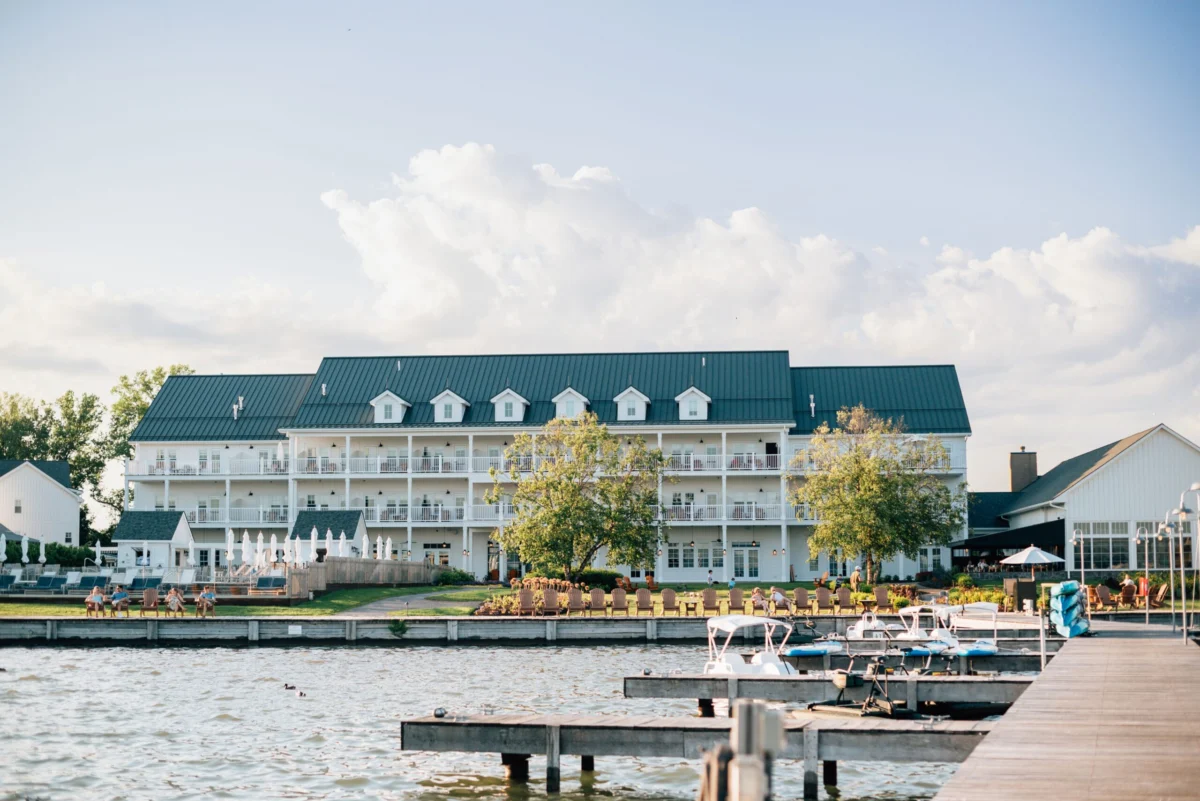
The Finger Lakes region of New York represents a significant geographic and economic corridor, spanning approximately 9,000 square miles between the metropolitan hubs of Rochester and Syracuse. Defined by 11 glacial lakes that resemble outstretched fingers, the area has transitioned from a primarily agricultural and industrial heartland into one of North America’s premier destinations for viticulture, outdoor recreation, and luxury hospitality. While often compared to the Hudson Valley, the Finger Lakes offers a distinct profile characterized by its deep-water lakes, microclimates conducive to cool-climate winemaking, and a dense concentration of historical landmarks related to the American abolitionist and women’s suffrage movements.
Geographical Overview and Glacial Origins
The Finger Lakes are the result of significant geological activity occurring approximately two million years ago. During the Pleistocene Epoch, advancing and retreating glaciers carved deep V-shaped valleys into the landscape. As the ice melted, debris dammed the valleys, creating the 11 lakes recognized today: Otisco, Skaneateles, Owasco, Cayuga, Seneca, Keuka, Canandaigua, Honeoye, Canadice, Hemlock, and Conesus.
Among these, Lake Seneca and Lake Cayuga are the most prominent. Seneca Lake is the deepest, reaching depths of 618 feet, which provides a "thermal mass" effect that prevents the water from freezing and moderates the temperature of surrounding vineyards. Cayuga Lake is the longest, stretching nearly 40 miles and serving as the centerpiece for the Cayuga Lake Wine Trail, the first of its kind in the United States. The unique topography of the region, including the shale-rich soil and steep slopes, has proven essential to the area’s identity as a world-class wine producer.
The Evolution of the Finger Lakes Wine Industry
The Finger Lakes region is currently home to more than 140 wineries, contributing significantly to New York’s multi-billion dollar wine industry. The industry’s modern era began in the 1950s and 60s, led by Dr. Konstantin Frank, a Ukrainian immigrant who hypothesized that European Vitis vinifera grapes could survive the harsh New York winters if grafted onto hardy native rootstock.
His success revolutionized the region, moving it away from native Labrusca and French-American hybrid grapes toward high-quality Riesling, Chardonnay, and Pinot Noir. Today, the Finger Lakes is internationally recognized for its Rieslings, which are often compared to those of the Mosel region in Germany. According to the New York Wine & Grape Foundation, the state’s wine industry generates an economic impact of over $6.65 billion, with the Finger Lakes serving as the primary engine for quality-driven production.
Chronology of Social and Historical Significance
Beyond its natural beauty, the Finger Lakes region has served as a crucible for social reform in the United States. The 19th century saw the area become a hotbed for the Underground Railroad and the organized movement for women’s rights.
- 1848: The Seneca Falls Convention: Held in Seneca Falls, this was the first women’s rights convention in the United States, led by Elizabeth Cady Stanton and Lucretia Mott. The event resulted in the Declaration of Sentiments, a foundational document in the fight for female suffrage.
- 1859: Harriet Tubman’s Residence: The famed abolitionist Harriet Tubman settled in Auburn, New York, after purchasing land from Senator William H. Seward. Her home and the Harriet Tubman Home for the Aged remain critical historical sites today.
- 19th Century Industrialization: Cities like Corning and Rochester became industrial leaders. The Corning Glass Works (now Corning Inc.) was founded in 1851, eventually leading to the creation of the Corning Museum of Glass, which houses one of the world’s most comprehensive collections of glass art and history.
Analysis of the Hospitality Sector and Luxury Accommodations
As tourism has increased, the hospitality infrastructure in the Finger Lakes has shifted toward high-end, wellness-centric offerings. This evolution reflects a broader trend in domestic travel where visitors seek "slow travel" experiences that combine luxury with authentic local culture.
The Inns of Aurora
Located on the eastern shore of Cayuga Lake, The Inns of Aurora exemplifies the revitalization of historic lakeside villages. The property consists of several restored 19th-century buildings, including the Aurora Inn, originally built in 1833. In recent years, the resort has expanded to include a 15,000-square-foot, WELL-certified spa. This development highlights a strategic move toward year-round tourism, providing indoor wellness amenities that mitigate the impact of the region’s traditional "off-season" during the winter months.
Mirbeau Inn & Spa Skaneateles
In Skaneateles, the Mirbeau Inn & Spa offers a French manor-style experience. The property is notable for its integration of landscape architecture—inspired by Claude Monet’s gardens at Giverny—with luxury lodging. Skaneateles itself serves as an anchor for the region’s luxury market, largely due to the lake’s reputation for extreme water clarity; it is one of the few lakes in the United States that serves as a direct source of unfiltered drinking water for a major municipality (Syracuse).
Boutique and Nature-Centric Lodging
The rise of "glamping" and boutique B&Bs reflects a growing consumer interest in sustainability and proximity to nature. Properties across the region now offer curated experiences that include direct access to the Finger Lakes’ extensive trail systems, such as the Watkins Glen State Park, which features 19 waterfalls within two miles.
Economic Data and Tourism Trends
Data from Empire State Development indicates that the Finger Lakes tourism region attracts millions of visitors annually. In a typical fiscal year, traveler spending in the region exceeds $3 billion.
| Category | Impact/Statistic |
|---|---|
| Annual Traveler Spending | ~$3.3 Billion |
| Labor Income Generated | ~$1.2 Billion |
| State and Local Tax Revenue | ~$400 Million |
| Number of Wineries | 140+ |
| Largest Lake by Volume | Seneca Lake |
The region’s ability to sustain tourism throughout the winter—traditionally a period of decline for Northern destinations—has been bolstered by the growth of craft beverage trails (including cideries and breweries) and the expansion of winter sports at resorts like Bristol Mountain and Greek Peak.
Environmental Conservation and Sustainability Challenges
The long-term viability of the Finger Lakes as a tourism and viticulture hub is intrinsically linked to the health of the lakes. In recent years, the region has faced challenges from Harmful Algal Blooms (HABs). These blooms, often caused by nutrient runoff from agricultural lands and aging septic systems, can threaten water quality and recreational activities.
In response, local "Lake Associations" and the New York State Department of Environmental Conservation (DEC) have implemented rigorous monitoring programs. "The protection of our watersheds is not just an environmental imperative; it is an economic one," stated a representative from a local regional planning board. "Without pristine water, the value of our wine, our property, and our brand as a destination diminishes."
Investment in "Green Tourism" is also on the rise. Several wineries have moved toward sustainable or organic viticulture, and new hotel developments are increasingly seeking LEED or WELL certifications to appeal to environmentally conscious travelers.
Infrastructure and Accessibility
The Finger Lakes region is supported by a network of regional airports, primarily the Frederick Douglass Greater Rochester International Airport (ROC) and the Syracuse Hancock International Airport (SYR). These hubs provide the necessary connectivity for international and out-of-state visitors. Furthermore, the region is traversed by the New York State Thruway (I-90), making it a primary road-trip destination for the Northeast megalopolis, including New York City, Philadelphia, and Boston.
The development of "scenic byways," such as the Cayuga Lake Scenic Byway, has been a deliberate infrastructure choice to encourage dispersed tourism, ensuring that smaller towns benefit from the influx of visitors rather than concentrating economic gains in a few major centers.
Future Outlook and Broader Implications
The Finger Lakes is currently positioned at a crossroads of heritage and modernization. As urban populations continue to seek retreats that offer both natural seclusion and sophisticated amenities, the region is likely to see continued investment in luxury real estate and hospitality.
The analytical consensus suggests that the Finger Lakes will continue to gain market share from more established destinations like Napa Valley, particularly as climate change shifts viticultural advantages further north. The region’s focus on cool-climate varieties and its abundant freshwater resources provide a level of resilience that many other global wine regions currently lack.
In conclusion, the Finger Lakes region represents a complex ecosystem where geography, history, and industry intersect. From the deep glacial waters of Seneca Lake to the historic halls of Seneca Falls, the area offers a multifaceted narrative of American progress and natural beauty. For the traveler, it remains a "nature and wine haven" that successfully balances its rugged outdoor appeal with an increasingly refined hospitality landscape. For the state of New York, it remains a vital economic engine and a testament to the enduring value of conservation and cultural preservation.