Ferry Irwandi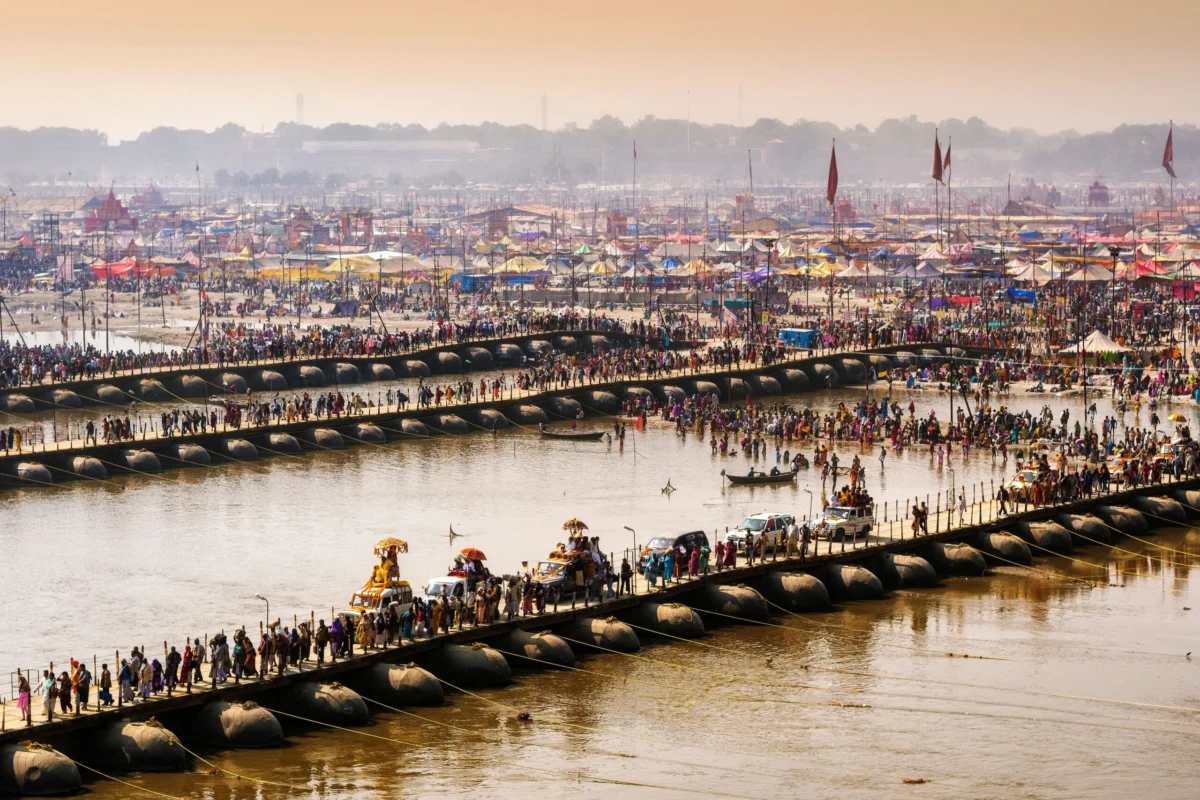
India is a nation defined by its foundational cultural philosophy of hospitality, encapsulated in the ancient Sanskrit phrase "Atithi Devo Bhava," which translates to "the guest is god." This ethos permeates every region of the subcontinent, from the high-altitude plateaus of Ladakh to the tropical coastlines of Kerala. However, for the international traveler, the sheer scale and complexity of the country present unique logistical and cultural challenges. India functions less like a single nation and more like a continent, comparable to Europe in its diversity of languages, cuisines, and traditions, yet compressed into a significantly smaller landmass. Understanding the nuances of Indian travel—ranging from legal restrictions on alcohol to the intricacies of the railway system—is essential for a successful journey.
The Cultural and Religious Calendar: Planning Around Festivals
India’s social fabric is inextricably linked to its religious and cultural festivals, which are celebrated with a frequency that often exceeds the number of days in a year. The largest of these is the Kumbh Mela, recognized as the world’s largest religious gathering, attracting over 200 million pilgrims during its multi-week duration. For travelers, these events offer profound cultural immersion but require meticulous planning.

Major festivals such as Diwali (the festival of lights) and Durga Puja (celebrating the goddess Durga) significantly impact infrastructure. During Diwali, cities like Varanasi, Jaipur, and Amritsar experience a surge in domestic tourism, leading to hotels being booked months in advance. In Kolkata, Durga Puja is a UNESCO-recognized intangible cultural heritage event that effectively brings the city’s commercial life to a standstill as millions visit elaborate "pandals" (temporary temples). Similarly, the celebration of Eid across cities like Hyderabad and Lucknow showcases distinct regional culinary traditions, such as the Nizami haleem and Awadhi kebabs, respectively.
Data from the Ministry of Tourism suggests that peak domestic travel seasons coincide with these festivals, necessitating that international visitors lock in transportation and accommodation at least three to six months in advance to avoid inflated costs or total lack of availability.
Regulatory Frameworks: Alcohol Laws and Restricted Zones
Travelers must navigate a complex web of state-level regulations regarding the sale and consumption of alcohol. India does not have a uniform national policy; instead, the Constitution of India grants individual states the power to regulate or prohibit alcohol.

- Dry States: Total or near-total prohibition is enforced in states such as Gujarat, Bihar, Nagaland, and Mizoram. In Gujarat, while foreigners can apply for temporary liquor permits, the process involves significant bureaucracy.
- Dry Days: Specific days are designated "dry" across various states to mark national holidays such as Republic Day (January 26), Independence Day (August 15), and Gandhi Jayanti (October 2). Alcohol sales are also prohibited during election periods to maintain public order.
- Regional Variations: While some states, like Maharashtra, have relaxed certain "dry day" rules for festivals like Holi, others, like Uttar Pradesh, maintain strict zero-alcohol policies on these occasions. Travelers should note that five-star hotels are often granted exemptions, though this is not a universal rule.
Beyond alcohol, certain geographical areas are restricted for security or environmental reasons. Foreigners must obtain a Restricted Area Permit (RAP) or a Protected Area Permit (PAP) to visit specific regions, including parts of the Andaman and Nicobar Islands, Sikkim, Arunachal Pradesh, and areas bordering Pakistan in Jammu and Kashmir. Notably, North Sentinel Island remains strictly off-limits to all visitors to protect the indigenous Sentinelese people.
Linguistic Diversity and the Role of English
India is one of the most multilingual nations globally, with the 1956 States Reorganisation Act largely drawing state boundaries along linguistic lines. While the Constitution recognizes 22 official languages, the 21st-century documentation identifies over 700 "living languages" and thousands of dialects.
A common misconception among travelers is the assumption that Hindi is the universal language of India. While Hindi is the primary tongue in much of North and Central India, it is not the native language of the South or Northeast. In states like Tamil Nadu, Karnataka, and West Bengal, regional languages—Tamil, Kannada, and Bengali, respectively—are central to local identity.

English holds the status of an "additional official language" and serves as a lingua franca for administration, law, and higher education. India has the world’s second-largest English-speaking population, and the language has a deep literary history in the country. Travelers are advised that questioning a local’s proficiency in English can be perceived as patronizing, given that English has been an integral part of the Indian education system for nearly two centuries.
Economic Realities and the Value of Craftsmanship
The Indian economy is home to some of the world’s most ancient and sophisticated craft traditions. For the traveler, navigating the markets requires a distinction between "trinkets" and "heirlooms." While haggling is common in street markets for mass-produced items, it is often inappropriate in the context of high-end artisanal goods.
India’s craft corridors produce luxury items that require months or even years of labor. For example:

- Pashmina Shawls: Authentic hand-spun and hand-woven Pashmina from Kashmir can take up to a year to complete.
- Kolhapuri Chappals: These hand-crafted leather sandals involve intricate curing and weaving processes.
- Hand-loomed Saris: High-quality silk saris from Kanchipuram or Varanasi are considered investments, often passed down through generations.
Tourism officials emphasize that paying a fair price for these goods supports the survival of traditional techniques and provides a sustainable livelihood for millions of artisans.
Transportation Logistics: Railways, Aviation, and Ride-Hailing
The Indian Railways network is the fourth largest in the world, transporting over 8 billion passengers annually. However, the system’s complexity can be overwhelming for first-time users.
- Booking Windows: Train reservations open 120 days before departure. Popular routes, such as the Delhi-Agra Gatimaan Express or the Mumbai-Goa Tejas Express, sell out almost immediately.
- Class Tiers: Travelers generally opt for Air-Conditioned (AC) classes (1AC, 2AC, or 3AC) for long-haul journeys to ensure comfort and security.
- Ride-Hailing: In urban centers, apps like Uber and Ola have revolutionized transport, providing transparent pricing in cities where taxi meters are often ignored. In some regions, motorbike taxis (via apps like Rapido) offer a faster alternative through heavy traffic. Notably, Goa remains an exception where major ride-hailing apps are restricted, and local taxi unions set prices.
- Airport Security: India maintains stringent airport security. Travelers must present a physical or digital copy of their ticket and a valid ID to security personnel before entering the terminal building.
Gastronomy: Deconstructing the Vegetarian Myth
While India is often celebrated as the vegetarian capital of the world, data from the National Family Health Survey (NFHS) indicates that approximately 70% of the population consumes meat in some form. The culinary landscape is far more diverse than the ubiquitous "Chicken Tikka Masala," which is a British-Indian hybrid.

Regional non-vegetarian delicacies include:
- Kashmir: Wazwan cuisine featuring Rista (meatballs) and Tabak Maaz (ribs).
- Rajasthan: Laal Maas, a spicy mutton curry prepared with Mathania chilies.
- Kerala: Beef fry (Ularthiyathu) and seafood prepared with coconut and black pepper.
- Northeast India: Smoked pork with bamboo shoots and fermented soybean.
Travelers should also be aware of linguistic redundancies: "Chai" means tea and "Naan" means bread; therefore, saying "chai tea" or "naan bread" is repetitive.
Social Etiquette and Environmental Considerations
Religious sensitivity is paramount when visiting India’s numerous spiritual sites. The general rule for attire is to cover the "head, shoulders, knees, and toes." Women are encouraged to carry a light scarf (dupatta) for this purpose. Furthermore, public displays of affection (PDA) are culturally frowned upon and can be particularly offensive near holy sites.

Environmental factors, specifically the monsoon season, dictate the rhythm of travel. The monsoon (June to September) brings essential rains but also causes significant logistical disruptions. Landslides are common in the Himalayan states of Uttarakhand and Himachal Pradesh, while heavy flooding can paralyze cities like Mumbai and Chennai. Conversely, the monsoon transforms the Western Ghats into a verdant landscape, making it a popular time for "slow travel" in rural retreats.
The National Sports Landscape and Personal Space
While cricket dominates the Indian media landscape and public consciousness, it is not the official national sport; that distinction historically belongs to field hockey. India also hosts unique sporting events such as the Coorg Hockey Festival (the world’s largest field hockey tournament), traditional Kushti (mud wrestling) in rural Maharashtra, and ice hockey in the Ladakh region.
Finally, travelers must adjust their expectations regarding personal space. In a nation of 1.4 billion people, high-density environments are unavoidable. Urban public transport, markets, and festivals involve a level of physical proximity that can be jarring for those from less populated regions. To mitigate this, travel experts suggest opting for off-peak hours and utilizing higher-class travel options where available.

Conclusion: The Case for Regional Focus
Given the geographic and cultural breadth of India, attempting to cover the entire country in a single two-week trip often results in "travel fatigue." Journalistic analysis of tourism trends suggests a shift toward "deep-dive" itineraries, where visitors spend their entire duration in a single state—such as Rajasthan for history, Kerala for wellness, or the Northeast for biodiversity. This approach allows for a more authentic engagement with the local "Atithi Devo Bhava" philosophy, ensuring that the traveler experiences the depth, rather than just the surface, of the Indian subcontinent.