Ana Megawati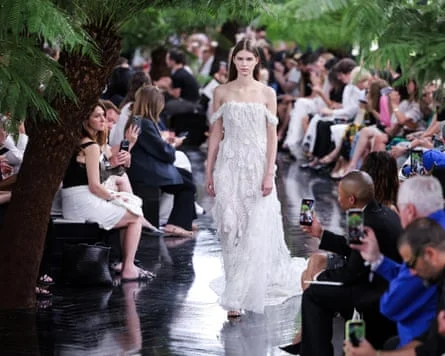
The fashion world remains gripped by an unprecedented blend of pop culture phenomenon and haute couture artistry, as Dior’s creative director, Jonathan Anderson, masterfully steers the venerable French house through intense global scrutiny. While the highly anticipated details of Taylor Swift’s wedding dress—dubbed by many as "America’s de facto royal wedding"—remain under an impenetrable veil of secrecy, Anderson simultaneously presented a critically acclaimed haute couture collection for Dior, drawing inspiration from the audacious artistry of sculptor Lynda Benglis. His tight-lipped remarks on Swift’s gown, coupled with a show that married high art with commercial savvy, underscore the complex dynamics of luxury fashion in the mid-2020s.
The Unprecedented Anticipation for Swift’s Bridal Ensemble
The revelation that Jonathan Anderson, at the helm of Dior, designed Taylor Swift’s as-yet-unrevealed wedding dress has sent ripples of excitement and speculation across social media, entertainment news, and the fashion industry alike. Swift, an undeniable global icon whose influence spans music, culture, and now, increasingly, fashion trends, commands an audience unparalleled in modern celebrity. Her marriage, though details of its timing and location remain fiercely guarded, has been colloquially dubbed "America’s de facto royal wedding" due to her immense cultural footprint and the public’s insatiable curiosity surrounding her personal milestones. This moniker highlights the magnitude of the event, placing it on par with historical moments of regal significance in terms of media attention and public fascination.
The choice of Dior and Anderson for such a pivotal garment is a testament to the brand’s enduring prestige and Anderson’s current standing as one of fashion’s most innovative minds. Dior, a house synonymous with timeless elegance and groundbreaking design since Christian Dior’s "New Look" in 1947, offers the gravitas and heritage befitting a global superstar. Anderson, known for his intellectually rigorous yet often playful approach to design, brings a contemporary edge that resonates with Swift’s modern sensibility. The collaboration is expected to generate billions in media impressions and significantly boost brand equity for Dior, demonstrating the immense commercial power embedded within haute couture’s most high-profile commissions.
When pressed for details by journalists eager for any morsel of information regarding the dress, Anderson offered only a tantalizing glimpse into the emotional gravity of the project. "It was a big honour," he stated, acknowledging the immense privilege of designing for such a momentous occasion. His subsequent silence – "But no, I can’t tell you anything about it. It will all come out in due course" – served only to intensify the mystery, a strategic move that amplifies the eventual reveal. He added, "It was a joy to work with her and we became very good friends. It is an emotional thing, doing someone’s wedding." These carefully chosen words hint at a deep personal connection forged during the design process, suggesting a gown that is not merely a garment but a deeply personal expression, meticulously crafted to reflect Swift’s unique identity and the significance of her special day. The profound secrecy surrounding the dress is not merely a protective measure for Swift’s privacy but a deliberate strategy, transforming the garment into a cultural event that will be dissected and admired globally upon its unveiling, likely setting new trends and influencing bridal fashion for years to come.
Jonathan Anderson’s Creative Reign at Dior: A New Chapter of Artistic Direction
Jonathan Anderson’s appointment as the creative director of Dior, a significant development in the fashion landscape of the mid-2020s, marked a bold strategic pivot for the iconic French luxury house. Prior to joining Dior, Anderson had already established himself as a visionary force in the industry through his eponymous label, JW Anderson, and his transformative tenure at Loewe. At both houses, he cultivated a reputation for intellectual rigor, a profound engagement with art and craft, and a distinctive ability to blend avant-garde concepts with commercial appeal. His work often explores themes of gender fluidity, deconstruction, and the reinterpretation of historical motifs through a contemporary lens, earning him multiple accolades, including British Fashion Council’s Designer of the Year awards.
His arrival at Dior was heralded as an injection of "offbeat creative energy" aimed at re-energising a brand with a storied past while propelling it firmly into the future. This strategy, while high-risk given Dior’s deeply ingrained heritage and traditional clientele, has proven remarkably effective. Anderson’s vision for Dior is characterized by a respectful dialogue with the house’s archives—particularly Christian Dior’s seminal "New Look" silhouettes—but filtered through a modern, often provocative artistic sensibility. He has consciously continued and evolved his predecessor Maria Grazia Chiuri’s tradition of centering female artists within Dior’s narrative, a move that reinforces the brand’s commitment to cultural relevance and intellectual depth. His debut haute couture collection, presented earlier in January, for instance, paid homage to the exquisite ceramic work of Magdalene Odundo, demonstrating his immediate commitment to integrating fine art into the very fabric of Dior’s identity. This approach allows Dior to maintain its position at the pinnacle of luxury while simultaneously engaging with broader cultural conversations and attracting a new generation of discerning clients who value authenticity and artistic integrity.
Haute Couture’s Artistic Anchor: The Lynda Benglis Inspiration
Against the backdrop of intense media speculation surrounding Taylor Swift’s wedding dress, Jonathan Anderson shifted the narrative, choosing instead to illuminate the profound artistic inspirations behind his latest haute couture collection for Dior. This season, his gaze turned towards the groundbreaking work of American sculptor Lynda Benglis, an artist celebrated for her fearless exploration of form, materiality, and the body since the 1960s. Benglis’s oeuvre, characterized by "sensual slumped hunks of smelted metal," poured latex, and beeswax sculptures, challenges conventional notions of sculpture, painting, and even performance art. Her work often evokes a sense of organic fluidity and raw, visceral energy, pushing boundaries and questioning societal norms.
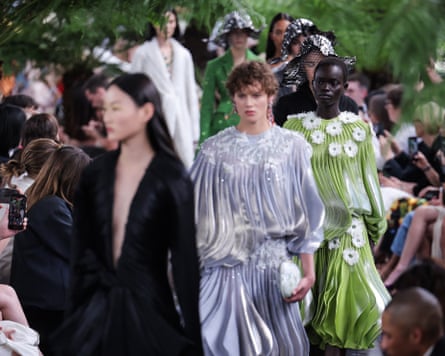
The collection’s presentation in a specially constructed wooden pavilion within the hallowed gardens of the Rodin Museum in Paris served as a deliberate juxtaposition of classical setting and avant-garde inspiration. The choice of the Rodin Museum, a site synonymous with sculptural mastery, further amplified Anderson’s conceptual framework, highlighting the collection’s central theme: clothing as sculpture. The atmosphere within the pavilion was meticulously curated, with the "flutter of paper fans along the front row" providing a subtle, almost rhythmic soundtrack that underscored the collection’s ethereal and often molten aesthetic, perfectly complementing the "liquefied" appearance of the couture silhouettes in the Parisian summer heat.
Anderson’s deep admiration for Benglis was evident in his remarks at a preview, where he hailed her as "a genius" and "well before her time – before anyone’s time." This sentiment translated directly into the garments, which moved beyond mere imitation to embody the spirit of Benglis’s artistic principles. The collection was a painstaking laboratory for artistic expression, where fabric was manipulated to mimic the organic forms and textures of Benglis’s sculptures. This conceptual depth positions Dior not just as a purveyor of luxury goods, but as a significant patron and interpreter of contemporary art, enriching the brand’s cultural capital and distinguishing it within the competitive haute couture landscape.
A Symphony of Form and Fluidity: Key Collection Highlights

The Dior haute couture collection, inspired by Lynda Benglis, was a breathtaking display of artisanal mastery and conceptual daring, translating the sculptor’s exploration of fluidity, form, and material into wearable art. Each garment was a testament to the atelier’s unparalleled skill, transforming traditional haute couture silhouettes into dynamic, sculptural statements.
One of the most striking pieces was a skirt crafted from "silver-foiled petals," which shimmered and lapped with the movement of the wearer, evoking the appearance of "molten lava." This innovative use of material created a sense of organic flow and metallic luminescence, directly referencing Benglis’s poured and slumped metal works. The meticulous hand-application of each petal would have required hundreds of hours of labor, showcasing the painstaking precision inherent in haute couture.
Another notable design was a reimagined Bar jacket, a cornerstone of Dior’s heritage, which was given a contemporary, almost deconstructed feel. This tailored silhouette, usually a symbol of rigid elegance, trailed "threads of chiffon at the hem like drips of ice-cream down a cone." This seemingly whimsical detail introduced a sense of impermanence and playful sensuality, contrasting with the jacket’s structured form and suggesting a garment in a state of beautiful dissolution, much like Benglis’s process-oriented art.
The collection further explored the notion of clothing as sculpture with pieces that played with volume, drape, and texture. A "floppy satin shirt" paired with "black plisse trousers" and shrouded in an "oversized shearling shawl," topped with an "acorn-shaped bonnet," opened the show. This look, described as "more downtown gallery opening than uptown lunch date," immediately signaled Anderson’s intention to push boundaries, blending an intellectual, artistic aesthetic with luxury. It suggested a move away from conventional elegance towards a more conceptual, art-infused glamour.
Yet, moments of pure, unadulterated glamour were also abundant. A "silver lamé bustier dress knotted with an outsize bow" exemplified classic haute couture allure, reinterpreted with a contemporary sheen. A "delicious cowl-backed peach silk slither of an evening gown" showcased the atelier’s mastery of fabric manipulation, allowing the material to flow sensuously around the body, echoing the organic forms of Benglis’s sculptures. Perhaps most emblematic of the collection’s core theme was a "sculpted hourglass jacket in silk jacquard embossed with silk ferns." This piece merged the architectural precision of the hourglass silhouette with the organic beauty of nature, rendered in a tactile, three-dimensional fabric, truly embodying the idea of clothing as a sculptural object.
Even the accessories were imbued with this artistic ethos. Evening bags, meticulously crafted from "fragments of 18th-century Indian chintz fabric," served as a poignant "commentary on the enmeshment of decorative traditions across cultures." This detail not only showcased exceptional craftsmanship but also highlighted Anderson’s intellectual curiosity and his ability to weave complex cultural narratives into the collection.
The collection also contained an "IYKYK" (If You Know You Know) reference to Benglis’s infamous 1974 self-portrait, Centrefold, in which she appeared naked holding a giant dildo. While the provocative image itself was discreetly "blurred out" in presentations to avoid offending Dior’s high-net-worth clientele, the inclusion of such a bold, albeit subtle, nod underscored Anderson’s commitment to the artist’s rebellious spirit and intellectual depth. It signaled that while haute couture caters to billionaires, it can also be a platform for profound artistic and even subversive statements, challenging the viewer to look beyond the surface beauty. This intricate balance between commercial pragmatism and artistic integrity defined the collection, proving that Anderson is adept at navigating the delicate demands of a global luxury brand while remaining true to his avant-garde sensibilities.
The Strategic Dualism of Haute Couture: Artistry Meets Commercial Acumen
Haute couture, the pinnacle of the fashion industry, operates within a unique dualistic framework: it is simultaneously a high-stakes play for "mass-culture eyeballs" and a "painstaking laboratory for artistic expression." This exclusive branch of fashion, governed by stringent rules set by the Chambre Syndicale de la Haute Couture in Paris, involves bespoke garments crafted by hand from start to finish, often requiring hundreds or even thousands of hours of skilled labor. Only a select few houses, like Dior, are officially recognized as haute couture houses, adhering to strict criteria regarding the number of employees, the amount of handcrafted work, and the presentation of collections twice a year.
The artistic imperative of haute couture lies in its role as a creative crucible. Designers are afforded unparalleled freedom to experiment with materials, techniques, and forms, pushing the boundaries of what is possible in garment construction. This is where intellectual themes, like Jonathan Anderson’s exploration of Lynda Benglis’s sculpture, come to the fore. Collections are not merely about selling clothes; they are about presenting a vision, showcasing the brand’s heritage and future direction, and cementing its position as a cultural arbiter. The extraordinary craftsmanship—from the intricate embroideries to the meticulous fabric manipulations—serves as a testament to human skill and creativity, often bordering on fine art.
However, beneath this veneer of pure artistry lies a calculated commercial strategy. While the direct sales of haute couture pieces are limited to an exclusive clientele of approximately 4,000 individuals worldwide (often billionaires or members of royal families), the collections serve a far broader purpose. They generate immense global publicity, acting as powerful marketing tools that elevate the entire brand. The media attention, celebrity endorsements, and critical acclaim garnered during haute couture week trickle down to influence the sales of ready-to-wear collections, accessories, fragrances, and cosmetics—the true revenue drivers for luxury conglomerates.
In this context, a high-profile commission like Taylor Swift’s wedding dress becomes an invaluable asset. It bridges the gap between the rarefied world of haute couture and the mass market, creating an aspirational connection that enhances brand desirability across all price points. The public’s fascination with Swift’s gown translates into increased visibility and perceived value for Dior as a whole, reinforcing its status as a leader in luxury and design. Anderson’s ability to navigate this dual mandate—delivering intellectually stimulating, artistically profound couture collections while simultaneously leveraging pop culture moments for global brand impact—is a hallmark of his successful strategy at Dior. He demonstrates that in the contemporary luxury landscape, artistic integrity and commercial acumen are not mutually exclusive but rather symbiotic forces driving brand prestige and profitability.
The Front Row’s Glimmer: Cultural Ambassadors of Dior’s New Era
The front row of a haute couture show is a meticulously curated spectacle, a microcosm of cultural influence and strategic brand alignment. Jonathan Anderson’s Dior presentation was no exception, featuring a diverse array of celebrities whose presence underscored the brand’s contemporary relevance and Anderson’s expansive vision. Among the notable attendees were Sabrina Carpenter and Josh O’Connor, each embodying different facets of Dior’s evolving identity.
Sabrina Carpenter, a rising pop sensation and actress, exuded a "coquettish ivory lace cocktail dress" that resonated with a younger, digitally native audience. Her style, often described as sweet yet sophisticated, aligns with a facet of Anderson’s aesthetic that embraces playful femininity and youthful elegance. Carpenter’s presence at the show not only garnered significant social media attention—a crucial metric in today’s fashion landscape—but also introduced Dior to her vast fanbase, cultivating new brand ambassadors among a demographic highly attuned to celebrity endorsements and trending aesthetics. Her alignment with Dior signifies the brand’s strategic efforts to broaden its appeal beyond traditional luxury consumers.
In stark contrast, Josh O’Connor, acclaimed for his compelling performances in film and television, including his Emmy-winning portrayal of Prince Charles in The Crown, brought a distinctively artistic and intellectual gravitas to the front row. Dressed in a "deconstructed sheer blazer and sequined cravat," O’Connor’s ensemble reflected Anderson’s penchant for challenging conventional menswear norms, blending classic tailoring with subversive details. His sophisticated yet unconventional style aligns with Anderson’s more avant-garde sensibilities, appealing to a demographic that values intellectual depth and artistic expression in fashion. O’Connor’s presence reinforced Dior’s connection to the world of high culture and critical acclaim, balancing Carpenter’s pop appeal with a more refined, artistic edge.
The strategic curation of the front row serves multiple purposes. It generates immediate buzz and extensive media coverage, with images of celebrities in Dior circulating globally within minutes. More profoundly, these cultural ambassadors embody the brand’s aspirational lifestyle, showcasing how Dior’s designs can be interpreted by individuals across different creative fields. Their diverse profiles reflect Jonathan Anderson’s multifaceted approach to Dior—a brand that can be simultaneously glamorous and artistic, traditional and avant-garde, appealing to both established luxury consumers and a new generation of trendsetters. This careful balance of star power and stylistic diversity is crucial for maintaining Dior’s position at the forefront of global fashion, proving that Anderson’s "high-risk" strategy of infusing "offbeat creative energy" is indeed yielding significant dividends in terms of cultural resonance and market presence.
The Grand Finale: A Visionary Bridal Gown and Lingering Speculation
As is the hallowed tradition in haute couture, the collection culminated in the unveiling of a breathtaking wedding dress, designed to be the ultimate expression of the designer’s vision and the atelier’s unparalleled skill. This season, Jonathan Anderson presented a truly spectacular bridal gown: a "strapless pearl column, veiled in a canopy of hand-pleated chiffon embellished with white feather dandelions and embroidered cactus flowers." The gown was a masterclass in delicate craftsmanship and poetic symbolism. The pearl column base spoke to timeless elegance and purity, while the intricate, hand-pleated chiffon veil created an ethereal, cloud-like aura. The embellishments of "white feather dandelions" added a touch of whimsical lightness, contrasting beautifully with the unexpected inclusion of "embroidered cactus flowers," which introduced a subtle, resilient beauty—perhaps a nod to enduring love or the unexpected flourishes of nature. This finale piece was a testament to Dior’s legacy of bridal artistry, designed to inspire awe and dreams.
However, despite its undeniable splendor, the magnificent gown could not escape the shadow of the unseen. The article pointedly noted, "But it was not the Dior wedding dress everyone wanted to see." This single sentence encapsulated the overwhelming public fascination with Taylor Swift’s as-yet-unrevealed bridal ensemble. The dramatic contrast between the publicly showcased, exquisitely detailed couture wedding dress and the intensely private, speculated-upon Swift gown highlighted a unique tension in contemporary fashion—the intersection of public spectacle and guarded intimacy.
The collective yearning to glimpse Swift’s dress underscores her immense cultural power and the narrative surrounding "America’s de facto royal wedding." It is not just a dress; it is a cultural artifact, a symbol of a momentous personal event for a global icon. Anderson’s strict silence on the matter, while adhering to professional discretion, has inadvertently amplified the anticipation, creating a void that even the most spectacular haute couture creation could not fill. This situation exemplifies how modern celebrity culture can profoundly impact the perception and reception of luxury fashion, sometimes overshadowing even the most meticulously crafted artistic statements. The finale dress, while a triumph of design and craft, served as a poignant reminder that in the age of global celebrity, some fashion moments transcend the runway, becoming part of a larger, more intimate, and fiercely protected narrative.
Implications for Dior and the Future of Fashion
Jonathan Anderson’s tenure at Dior, as evidenced by his latest haute couture collection and his involvement in designing Taylor Swift’s wedding dress, signals a significant evolution for the venerable French house and offers compelling insights into the future trajectory of the luxury fashion industry. His strategy of infusing Dior with "razzmatazz but with a sideways bent" is proving to be a highly effective, albeit "high-risk," approach.
The dual focus on high-art inspiration, such as Lynda Benglis’s challenging sculptures, and high-profile pop culture phenomena, like Taylor Swift’s wedding, demonstrates a sophisticated understanding of how to navigate the complexities of the modern luxury market. By centering female artists and intellectual concepts, Anderson elevates Dior beyond mere commercialism, positioning it as a cultural institution that engages with profound artistic dialogues. This approach appeals to a discerning clientele that values intellectual depth and authenticity, aligning the brand with contemporary cultural movements.
Simultaneously, Anderson’s strategic involvement in designing Swift’s gown—a moment of unparalleled global visibility—underscores the crucial role of celebrity endorsement in brand building. This partnership, while shrouded in secrecy, generates immense aspirational value and media impressions that far outweigh traditional advertising campaigns. It taps into the emotional connection fans have with Swift, translating it into an enhanced desirability for the Dior brand across all product categories.
The blending of these seemingly disparate worlds—the avant-garde art scene and mainstream celebrity culture—is not merely opportunistic; it is indicative of a broader trend in luxury fashion where cultural relevance is as vital as craftsmanship. Designers are increasingly expected to be not just garment makers but cultural curators, capable of translating complex ideas into compelling narratives that resonate with diverse audiences. Anderson’s success lies in his ability to maintain Dior’s heritage of elegance and luxury while injecting it with a fresh, sometimes provocative, energy that keeps it at the forefront of innovation.
In conclusion, Jonathan Anderson’s direction at Dior represents a potent blueprint for luxury brands navigating the 21st century. By embracing artistic experimentation, fostering intellectual engagement, and strategically leveraging global pop culture moments, he is not only re-energizing Dior but also shaping the discourse around what haute couture can be: a dynamic fusion of art, commerce, and cultural zeitgeist. As the fashion world eagerly awaits the reveal of Taylor Swift’s gown, Anderson has already cemented his reputation as a visionary who deftly balances the demands of tradition with the imperative of innovation, ensuring Dior’s enduring prominence in the global fashion arena.