Danny Garick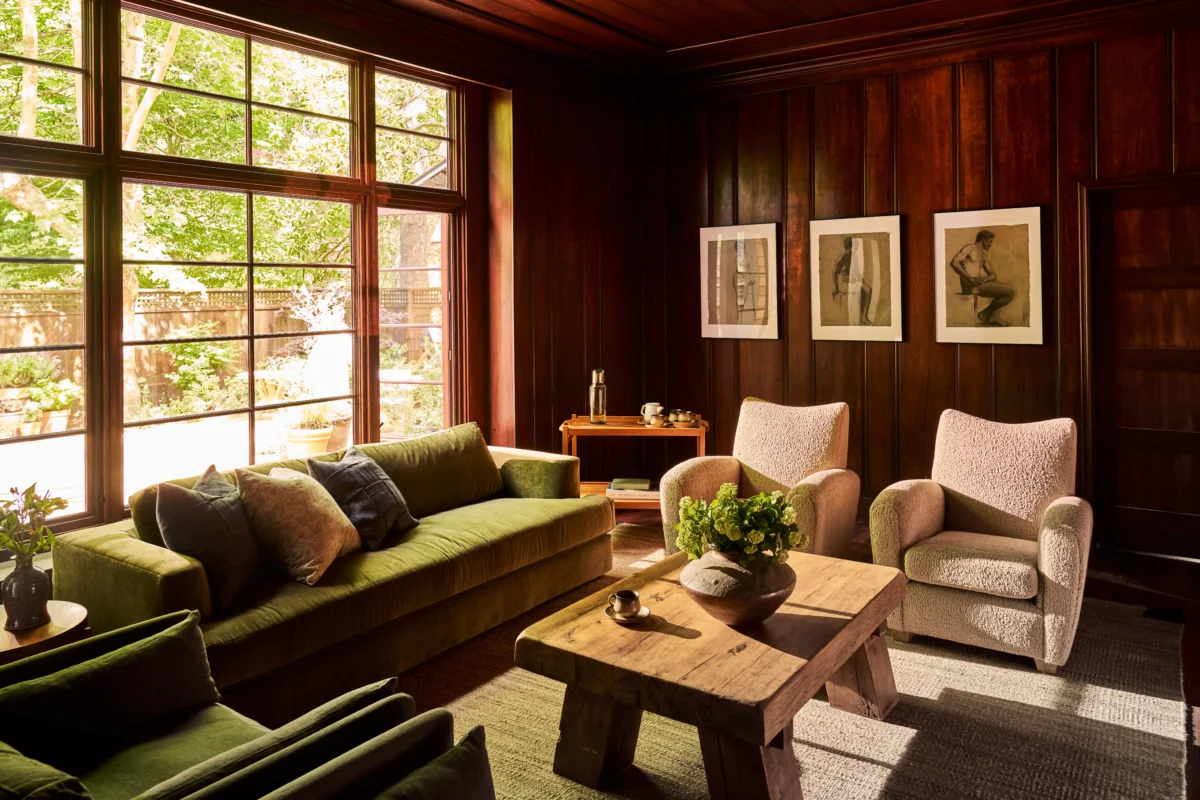
The evolution of Dawn Ranch, a 15-acre hospitality site situated along the banks of the Russian River in Guerneville, California, represents a significant case study in the intersection of historic preservation and modern luxury travel. Operating within the strict constraints of a floodway zone—which has effectively prohibited new construction since 1993—the property has successfully pivoted toward a model of adaptive reuse and refined culinary programming. This 81-room resort, which underwent an extensive renovation in 2023, now stands as a prominent fixture in Sonoma County’s hospitality sector, balancing the logistical challenges of environmental zoning with the demands of an upscale, experience-driven market.
A Chronology of Stewardship and Transformation
The history of the site reflects the changing demographics and cultural shifts of Northern California over the last century. Originally established in 1905 as Murphy’s Ranch, the property served as a seasonal retreat for affluent families, capitalizing on the region’s natural beauty and accessibility from the Bay Area. Following its seven-decade tenure as a private family destination, the property transitioned in the late 20th century to become Fife’s, a landmark resort that functioned as a pivotal space for the gay community. During this era, Fife’s served not merely as a lodging facility, but as a critical social hub, contributing significantly to the cultural fabric of Guerneville.
%20copy.jpg)
The current iteration of Dawn Ranch marks the latest chapter in a long-standing tradition of stewardship. The 1993 enactment of Sonoma County zoning regulations regarding the Russian River floodway mandated that all future developments on the site must adhere to strict environmental safety protocols. These regulations effectively precluded the construction of new permanent structures, compelling ownership groups to focus exclusively on the restoration and modernization of existing buildings. This limitation, often viewed as a development hurdle, has instead become a defining characteristic of the property’s aesthetic. By maintaining the architectural integrity of its historic structures while upgrading interior facilities to meet contemporary luxury standards, the property preserves a sense of "summer camp" nostalgia while providing the amenities required by modern travelers.
The Architectural and Operational Landscape
The resort’s configuration is a patchwork of historic cabins, chalets, cottages, and bungalows. The main campus features a variety of units, ranging from compact cabins to expansive two-bedroom bungalows equipped with full kitchens and gas fireplaces. Across the street, the "Grove" campus provides additional, varied inventory. Each unit is integrated into the site’s natural landscape, characterized by dense clusters of sycamores and redwoods.
The renovation efforts completed in 2023 emphasized "quiet luxury," utilizing materials such as blonde wood and layered textiles, complemented by premium amenities including Parachute linens and Le Labo bath products. Beyond traditional housing, the resort has integrated a glamping component within a 120-year-old apple orchard. While these tents utilize the same high-end Bear hybrid mattresses found in the main resort buildings, they operate on a communal bathroom model, representing a strategic effort to cater to a demographic seeking a more tactile, outdoor-centric experience without sacrificing comfort.

Culinary Programming and Economic Impact
The centerpiece of the property’s current identity is the Lodge at Dawn Ranch, which houses the primary dining and social facilities. The culinary program is led by co-executive chefs Ignacio "Nacho" Zuzulich and Juliana Thorpe. Their approach to the menu is informed by their international experience, specifically their tenures at Mugaritz in Spain and the Meadowood resort in Napa Valley.
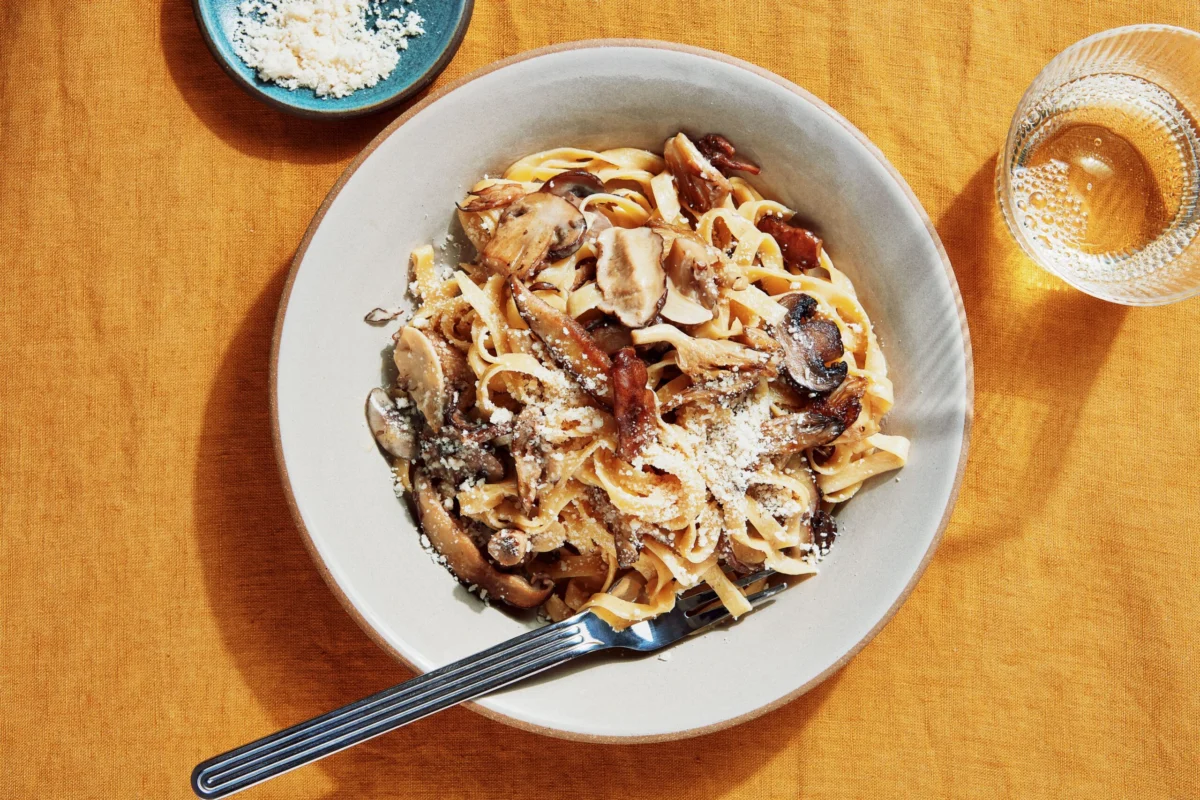
The dining experience centers on a nine-course tasting menu, priced at $155, which focuses on hyper-seasonal, locally sourced ingredients from California. A truncated version of this menu is offered at the bar for $90, an operational decision that allows for greater accessibility while maintaining the high-margin, high-quality standards typical of the region’s fine-dining scene. The focus on seasonal produce—highlighted by ingredients such as Santa Barbara uni and local fire-roasted corn—positions the resort within the broader "farm-to-table" movement that defines Sonoma County’s economic appeal.
The wine program at Dawn Ranch serves as a critical revenue stream and a branding pillar. The beverage menu, curated with a "Sommelier’s Notebook" format, eschews traditional, rigid categorization in favor of more intuitive, albeit unconventional, classifications such as "The Wild Ones" and "Quiet Elegance." This strategy is intended to demystify the wine-ordering process for guests, potentially increasing consumption through a more approachable sales model.

For high-net-worth guests, the resort offers a $400 "Decades Wine Pairing," which emphasizes the scarcity and historical significance of the bottles provided. During the 2024 season, this program included an 1891 D’Oliveiras Verdelho Madeira, illustrating the property’s focus on curating rare, historically significant experiences that differentiate it from other regional competitors.
Regulatory Constraints and Environmental Stewardship
The reliance on existing structures is not merely an aesthetic choice; it is a regulatory necessity. The Russian River floodway is subject to stringent oversight by the Sonoma County Permit and Resource Management Department. These zoning laws are designed to mitigate the risk of property damage and ecological degradation caused by seasonal river surges.
From an investment standpoint, the inability to build new infrastructure has historically deterred some developers. However, the current management of Dawn Ranch has successfully leveraged these constraints. By investing heavily in the "interior shell" of the existing buildings, the property has avoided the costs and delays associated with new construction while creating a "retro-modern" brand identity. This approach has proven resilient in an economic climate where authentic, historic properties often command higher premiums than new-builds.

Market Positioning and Future Implications
Dawn Ranch is currently positioned at the intersection of nature-based tourism and the luxury wine-country market. In the context of Sonoma County’s broader hospitality sector, which includes high-density luxury resorts and boutique hotels, Dawn Ranch serves a specific niche: the traveler seeking a hybrid of wilderness immersion and high-end gastronomic service.
The long-term success of the property will likely depend on its ability to maintain its culinary reputation. As noted in the industry, the "destination restaurant" model—where the restaurant itself serves as a primary driver for room bookings—is a proven strategy for sustaining occupancy in rural or semi-rural locations. By integrating the dining program so closely with the historical and environmental aspects of the property, the management has created a self-sustaining ecosystem that appeals to both regional visitors from the Bay Area and international travelers.
Furthermore, the emphasis on the property’s namesake dawn redwoods and the preservation of its orchard space aligns with the growing trend of "eco-conscious luxury." While the property is technically a commercial operation, its commitment to maintaining the site’s historical and natural features provides a form of public-private value, ensuring that the 15-acre parcel remains a protected, managed landscape rather than a victim of over-development.

Conclusion: A Synthesis of Past and Present
The revitalization of Dawn Ranch serves as a model for how historic properties can survive and flourish under strict environmental regulations. By treating the property’s physical limitations as a design framework, the resort has achieved a distinct market position that relies on nostalgia, culinary excellence, and ecological integration.
While the high price point of its tasting menus and wine pairings places the resort firmly in the luxury category, the operational philosophy—one that prioritizes the renovation of existing structures and the utilization of local, seasonal inputs—reflects a broader trend toward sustainable hospitality. As Guerneville continues to evolve as a destination for refined tourism, Dawn Ranch remains a cornerstone of the region’s economic and cultural development, proving that with careful stewardship, the constraints of the past can indeed form the foundation for a successful, modern future.