
 Ronny Sianturi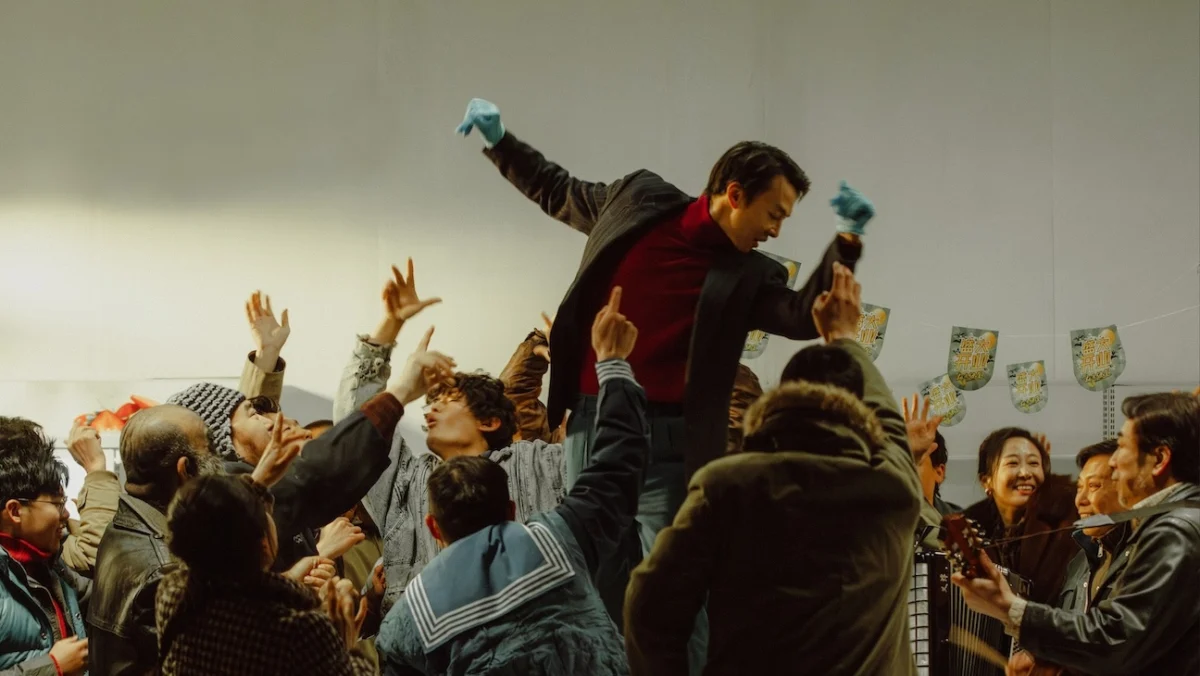
The 26th Shanghai International Film Festival (SIFF) concluded its ten-day run on Sunday evening, with Chinese filmmaker Zhong Kaifeng’s debut feature, Atlantic Rhapsody, capturing the prestigious Golden Goblet Award for Best Film. The announcement, made Saturday night at a star-studded ceremony, marked a significant moment for the 29-year-old director and underscored the festival’s commitment to showcasing and nurturing new talent from China and across the globe. The jury, presided over by acclaimed Hong Kong actor Tony Leung Chiu-wai, lauded Atlantic Rhapsody as a "uniquely compelling visual experience," praising its bold experimental approach to exploring the human condition.
For Zhong Kaifeng, the victory was a profound affirmation of his artistic journey. “I want to say that Atlantic is not a definition, it does not provide answers – but today it seems to have given me an answer, and that answer is to persist, to love, to work hard, and then to believe,” he stated during his acceptance speech, reflecting on the personal significance of the award. The film, which tells the story of a young man from northern China on a quest for meaning, resonated deeply with the jury, who described it as a work that "captivated and impressed" them. This win is seen as a strong indicator of the festival’s success in identifying and elevating promising new voices within the international cinematic landscape.
SIFF’s Dedication to Young Filmmakers
This year’s SIFF prominently featured a robust program dedicated to emerging talent, a strategic emphasis that culminated in several significant awards and initiatives. The festival’s commitment to fostering the next generation of filmmakers was evident not only in the competition lineup but also through its various support programs, including the SIFF Project initiative, the SIFF ING Young Filmmakers Program, and the SIFF YOUNG – Shanghai Young Filmmakers Support Program. These platforms have provided crucial mentorship and resources, with notable figures like Joan Chen and Wen Muye serving as mentors, guiding aspiring directors through the complexities of filmmaking.
The impact of these initiatives is quantifiable. Over previous years, the festival has seen 78 productions nurtured through its programs go on to achieve cinematic release. This year’s festival further highlighted this success, with several films developed through the SIFF Project initiative featuring prominently in the lineup. Wan Bo’s suspenseful drama Strangers in the Mountain competed in the Asian New Talent section, while Peng Chen and Xu Wei’s Desert Beneath the Ocean, and Kangdrun’s Linka Linka were presented elsewhere in the festival program, demonstrating the ongoing pipeline of talent emerging from SIFF’s developmental arms.
A Celebration of Diverse Storytelling
The Asian New Talent awards also recognized outstanding emerging filmmakers, with first-time director Gong Yiwen clinching an award for her heartwarming coming-of-age drama, Her First Taste. The jury commended the film for its "patient observation and sensitivity to the textures of ordinary life," announcing Gong Yiwen as "a filmmaker of great promise." They further described Her First Taste as a "memorable work about young love and coming of age, balancing emotional restraint with deep resonance." This recognition for Her First Taste further solidifies SIFF’s role as a crucial incubator for regional cinematic talent.
Beyond the focus on new voices, SIFF presented a comprehensive cinematic offering, encompassing over 1,600 screenings of approximately 420 films across Shanghai and the wider Yangtze River Delta region. The festival’s programming reflected a global outlook, featuring critically acclaimed films from international festivals such as Cannes, including Pawel Pawlikowski’s Fatherland. Retrospectives dedicated to cinematic giants like Ken Loach, Billy Wilder, and Marilyn Monroe provided audiences with rare opportunities to experience classic cinema in high-definition restorations, drawing enthusiastic crowds of all ages.
The diversity of the festival’s offerings was further underscored by the Golden Goblet award for Best Director, which was presented to Moroccan filmmaker Yassine El Idrissi for his humorous and poignant film Halima. The movie, which centers on a woman’s unwavering spirit in the face of age and adversity, resonated universally with the jury. El Idrissi’s acceptance speech emphasized the unifying power of cinema, stating, "It proves that we are all the same. We just need some translation." This sentiment encapsulates the broader mission of SIFF to bridge cultural divides through the art of filmmaking.
Industry Insights and the Future of Cinema
The 26th SIFF also served as a vital platform for industry dialogue and forward-thinking discussions, with a significant portion of the festival dedicated to exploring the burgeoning influence of artificial intelligence in filmmaking. A series of panels brought together industry leaders to deliberate on the multifaceted implications of AI, with sessions titled "Smart Tech, Immersive Worlds, the Next Film Revolution" and "When AI Learns to Create, What Grounds Cinema?" highlighting the critical conversations surrounding technological advancement and creative integrity. The pervasive nature of AI discussions indicated its undeniable impact on the future trajectory of the film industry.
In an effort to demystify and showcase the practical applications of AI in filmmaking, SIFF introduced the AI Backlot initiative. This innovative program paired traditional filmmakers with AI experts, tasking them with the creation of short films within a month. The process was live-streamed, allowing audiences to witness the collaborative and experimental nature of this new frontier. Chinese filmmaker Hou Zuxin, a participant in the AI Backlot, described the experience as transformative, stating, "it was like I entered a whole new world." This initiative demonstrated SIFF’s proactive approach to integrating emerging technologies and fostering understanding within the creative community.
A Festival of Resilience and Vision
As the festival drew to a close, SIFF festival head Chen Guo expressed her satisfaction with the event’s achievements. "The global film industry remains in a prolonged period of adjustment, and creators are in growing need of encouragement," she remarked. "As one of the most prominent film festivals in Asia, SIFF holds special significance this year by providing spiritual support and renewed confidence for Chinese-language filmmakers." Chen Guo emphasized that the festival’s mission to "align global and domestic resources" and "build industrial pathways to bring projects to fruition" had been successfully realized.
The festival provided a crucial space for creators to connect, share insights, and witness the breakthroughs of their peers, thereby sustaining their creative passion. "We hope this year’s festival also gives the global industry a closer look at what drives these filmmakers – their creative convictions and their long-term vision for Chinese films. And we hope it leads to more lasting, win-win partnerships across borders," Chen Guo added, underscoring SIFF’s ambition to foster international collaboration and understanding.
The closing ceremony also paid tribute to esteemed figures in the film industry. Veteran actress Lisa Lu, a centenarian by the local calendar, received a lifetime achievement award, gracing the red carpet with her enduring presence. Acclaimed director Zhang Yimou was honored for his "outstanding" contributions to Chinese cinema, acknowledging his profound impact on the industry over several decades. These accolades highlighted SIFF’s respect for cinematic heritage while simultaneously celebrating contemporary achievements and future potential.
The 26th Shanghai International Film Festival thus concluded as a vibrant testament to the enduring power of cinema, a dynamic hub for artistic discovery, and a forward-looking platform for industry innovation, firmly establishing its role as a pivotal event in the global film calendar.








