Layla Zulfa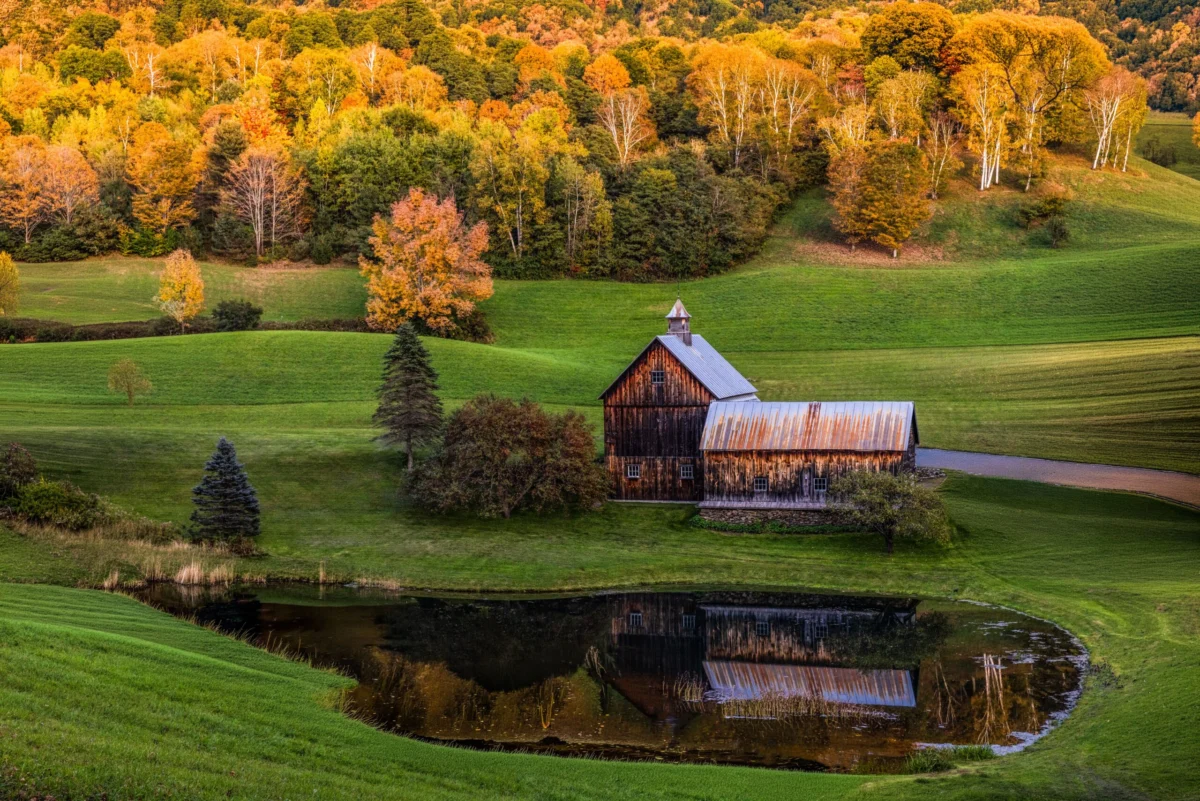
The intersection of seasonal transitions and architectural preservation has established October as a critical period for domestic tourism in the United States. As the northern hemisphere experiences a shift in solar angles and a dramatic change in deciduous foliage, certain municipalities have leveraged their historical design and geographical settings to become hubs for "design tourism." This phenomenon, characterized by travelers seeking aesthetic inspiration through a blend of historic architecture and natural scenery, significantly impacts local economies and preservation efforts. From the brick-lined corridors of the Hudson Valley to the adobe structures of the American Southwest, the following analysis examines the premier destinations that define the October travel landscape, focusing on their architectural significance, historical evolution, and modern economic relevance.
The Economic Impact of Fall Design Tourism
Travel data indicates that the "shoulder season" of autumn has become increasingly lucrative for small-to-medium-sized towns. According to the U.S. Travel Association, domestic leisure travel during the fall months has seen a steady rise, with "scenic beauty" and "historical interest" ranking as top motivators for travelers. For towns like Hudson, New York, and Woodstock, Vermont, the month of October can account for a significant percentage of annual tourism revenue. This influx of capital supports the maintenance of historic districts and provides a platform for local artisans, antique dealers, and hospitality ventures.

The appeal of these destinations is often rooted in what urban planners call "curb appeal" and "walkability." In October, the low-angled "golden hour" light enhances the textures of historic facades—ranging from Federal-style brickwork to weathered adobe—making these locations particularly attractive for photography and cultural exploration.
Hudson, New York: A Case Study in Industrial Transformation
Hudson, New York, serves as a primary example of a 19th-century industrial hub successfully transitioning into a premier design destination. Located approximately 120 miles north of New York City, the town’s compact downtown area, centered on Warren Street, is a repository of 19th-century architectural styles.
Historical Context and Development
Hudson was originally settled by "Whalers from Nantucket" in the late 18th century, who sought a safe inland harbor. This maritime history gave way to an industrial boom in the 1800s. However, by the mid-20th century, Hudson faced economic decline. The revitalization began in the 1980s and 90s, led primarily by antique dealers and designers attracted to the town’s well-preserved building stock.

Key Architectural Landmarks
- Warren Street: The commercial artery of Hudson is lined with Federal, Victorian, and Greek Revival buildings. Today, these structures house high-end design firms such as FINCH and Red Chair, which specialize in curated vintage and international antiques.
- Olana State Historic Site: Situated just outside the city center, Olana was the home of Frederic Edwin Church, a central figure in the Hudson River School of painting. The Moorish-inspired mansion, designed by Church and architect Calvert Vaux, features intricate stenciling and panoramic views of the Hudson Valley, which Church himself meticulously landscaped to complement the architecture.
- The Maker Hotel: This establishment reflects the modern design ethos of Hudson, blending Belle Époque aesthetics with contemporary craftsmanship, illustrating how historic properties can be repurposed for luxury hospitality without losing their original character.
Galena, Illinois: Preservation of the Lead Boom Era
In the Midwest, Galena, Illinois, stands as a monument to mid-19th-century prosperity. Unlike many American towns that underwent radical modernization in the 20th century, Galena remained largely frozen in time due to a period of economic stagnation that inadvertently preserved its architectural integrity.
Chronology of Galena’s Built Environment
- 1820s–1840s: Galena becomes the center of the first major mineral rush in the United States. By 1845, the town was producing 80% of the nation’s lead.
- 1850s: The town’s Main Street is completed, featuring a distinctive "three-tier" layout built into the rolling hills of the Driftless Area.
- 1865: The Ulysses S. Grant Home is presented to the General upon his return from the Civil War. It remains an impeccable example of Italianate architecture.
- 1968: Galena becomes one of the first cities in Illinois to pass a historic preservation ordinance, protecting over 85% of its buildings within a National Register Historic District.
The town’s Federal and Greek Revival storefronts are characterized by ornate cornices and cast-iron details. Today, these spaces house contemporary institutions like the Outside the Lines Art Gallery, bridging the gap between 19th-century structure and 21st-century art.
Santa Fe, New Mexico: The Evolution of Pueblo Revival
Santa Fe offers a stark contrast to the colonial and industrial architecture of the East and Midwest. The city is defined by a strict adherence to the Pueblo Revival style, a design movement that emerged in the early 20th century to preserve the region’s unique cultural identity.

The 1912 Architectural Mandate
As New Mexico approached statehood in 1912, city leaders in Santa Fe recognized that modernization could erase the city’s historic charm. They implemented a "Santa Fe Style" ordinance, which mandated that new constructions mimic traditional adobe building techniques. This included the use of flat roofs, rounded corners, and vigas (exposed log ceiling beams).
Cultural and Design Hubs
- Canyon Road: Once a residential street, it is now home to over a hundred galleries. The architecture here utilizes sunbaked adobe and earthy plasters, providing a neutral backdrop for vibrant Indigenous textiles and contemporary sculptures.
- The Georgia O’Keeffe Museum: This institution preserves the legacy of an artist whose work was deeply intertwined with the New Mexican landscape and architecture.
- The Palace of the Governors: Built in 1610, it is the oldest continuously occupied public building in the United States, serving as a foundational example of the Spanish-Pueblo style.
The modern hospitality sector in Santa Fe, represented by venues like Bishop’s Lodge, continues to evolve this tradition by integrating reclaimed materials and sculptural kiva fireplaces into high-design environments.
Carmel-by-the-Sea, California: An Artists’ Colony Preserved
On the West Coast, Carmel-by-the-Sea represents a deliberate departure from traditional urban planning. Founded as an artists’ colony in the early 1900s, the village is famous for its "storybook" architecture and its rejection of modern conventions; the town notably lacks street addresses, mail delivery to houses, and streetlights in residential areas.

The Comstock Influence
In the 1920s, builder Hugh Comstock designed a series of whimsical cottages characterized by crooked chimneys and steeply pitched, "rolled" eaves. These structures, such as the "Hansel" and "Gretel" houses, defined the town’s aesthetic.
Architectural Preservation and Nature
- Tor House and Hawk Tower: Built by poet Robinson Jeffers using granite boulders from the Carmel coastline, this site exemplifies the integration of rugged architecture with the natural environment.
- Carmel Art Association: Established in 1927, it remains one of the oldest artist cooperatives in the country, housed in a building that reflects the town’s commitment to low-slung, organic design.
Woodstock, Vermont: The Legacy of Conservation
Woodstock, Vermont, is frequently cited as the quintessential New England village. Its status as a design destination is the result of nearly two centuries of conscious land stewardship and architectural maintenance, heavily influenced by the Marsh and Rockefeller families.
The Marsh-Billings-Rockefeller Influence
The Marsh-Billings-Rockefeller National Historical Park is the only national park in Vermont and the only one in the U.S. focused on the history of conservation. The estate’s mansion features Queen Anne-style architecture and interiors that reflect the wealth and taste of the late 19th century. The surrounding landscape was influenced by Frederick Law Olmsted, the father of American landscape architecture.

Craftsmanship and Infrastructure
Woodstock is also renowned for its historic covered bridges, such as the Taftsville Covered Bridge (built in 1836). These structures are not merely scenic relics but are feats of 19th-century engineering that utilize timber-frame construction techniques. The Billings Farm & Museum further showcases the region’s agricultural architecture, emphasizing the functional beauty of Vermont’s rural heritage.
Broader Implications: The "Halloween Effect" and Sustainability
While design and history are primary drivers for October travel, a subset of tourism focuses on the "seasonal macabre." Towns such as Salem, Massachusetts; Sleepy Hollow, New York; and St. Helens, Oregon, experience extreme surges in visitors due to their associations with Halloween.
Inferred Community Response
Residents and municipal leaders in these "Halloween towns" often report a complex relationship with October tourism. While the economic boost is substantial—often funding year-round municipal services—the strain on infrastructure is significant. In Salem, for instance, the city has had to implement aggressive "plan ahead" campaigns to manage crowds that can exceed ten times the local population on peak weekends. This highlights the need for sustainable tourism models that balance economic gain with the quality of life for residents and the preservation of historic sites.

Conclusion
The selection of October travel destinations is increasingly influenced by a desire for "slow travel"—an approach that prioritizes immersion in local culture, history, and design. Hudson, Galena, Santa Fe, Carmel, and Woodstock each offer a unique architectural narrative that is amplified by the seasonal transition. These towns demonstrate that the preservation of the built environment is not merely a nostalgic endeavor but a viable economic strategy that attracts a global audience. As the trend toward design-centric travel continues to grow, these municipalities serve as blueprints for how history and modern commerce can coexist within a scenic landscape.