Ferry Irwandi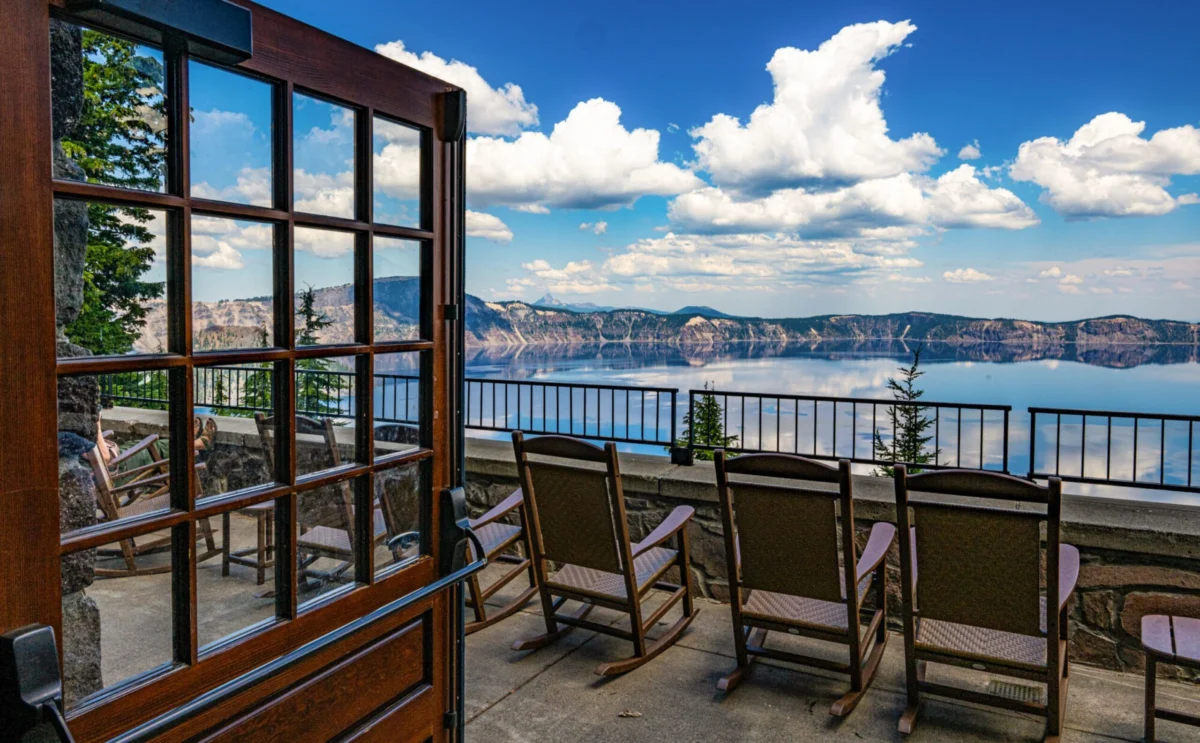
Crater Lake National Park, established in 1902 as the fifth-oldest national park in the United States, continues to serve as a primary destination for domestic and international travelers seeking to witness one of the most distinct geological features in the world. While the park encompasses over 183,000 acres of pristine wilderness, the focal point remains the caldera of Mount Mazama, filled with water of a blue so intense it often defies belief. According to the National Park Service (NPS), the primary inquiry from visitors concerns the source of this coloration. The scientific explanation rests in the lake’s incredible purity and depth. Because there are no inlets or outlets to the lake, it is fed entirely by direct precipitation in the form of rain and snow. The water’s clarity allows sunlight to penetrate deeply; the water molecules then scatter the blue wavelengths of the light spectrum back to the surface, while other colors are absorbed.
As the park prepares for significant infrastructure shifts in the coming years, understanding the logistical landscape is essential for prospective visitors. The park’s geography, defined by high-altitude terrain and a volatile climate that sees an average of 42 feet of snow annually, dictates a seasonal approach to tourism and conservation.
The Architecture of the Rim: Driving and Guided Exploration
The most accessible method for viewing the lake is via the Rim Drive, a 33-mile scenic loop that circumnavigates the caldera. This historic roadway is typically fully open from July through October, depending on snowpack levels. The drive offers more than 30 overlooks, each providing a unique perspective on the lake’s 1,943-foot depth—the deepest in the United States and the ninth deepest in the world.
Key stops along the route include Discovery Point, where gold prospector John Wesley Hillman first "discovered" the lake in 1853, and the Phantom Ship Overlook. The latter provides a view of a 400,000-year-old rock formation that resembles a ghost ship under certain lighting conditions. For those who prefer a narrated experience, the Crater Lake Trolley operates during the peak summer months. This service not only reduces vehicular congestion on the narrow, winding roads but also provides historical and geological context through professional guides. The trolley system is a vital component of the park’s effort to manage its nearly 700,000 annual visitors while minimizing the environmental footprint on the delicate rim ecosystem.
High-Altitude Recreation: Hiking and Cycling
For visitors looking to engage with the park’s terrain more intimately, Crater Lake offers a robust trail system. However, safety officials emphasize that all trails within the park are situated at elevations exceeding 4,000 feet, with the rim itself sitting at approximately 7,000 feet. This high-altitude environment requires visitors to be mindful of physical exertion and hydration.
Casual walkers often gravitate toward the Rim Village Promenade. This paved, 0.3-mile walkway is designed for accessibility, making it an ideal choice for families with small children or those with limited mobility. It provides immediate views of the lake and the historic Crater Lake Lodge, which has stood on the edge of the caldera since 1915.
More strenuous options include the Garfield Peak Trail. Starting behind the lodge, this 3.6-mile round-trip hike involves a 1,010-foot elevation gain, rewarding hikers with panoramic views of the entire caldera. Similarly, the 1.6-mile Watchman Peak Trail leads to a historic fire lookout built in 1932. This trail is particularly noted for its sunset vistas, as the fading light reflects off the lake’s surface.
For those interested in the park’s secondary features, the Plaikni Falls trail offers a 2-mile excursion through old-growth forests to a glacier-fed waterfall, while the Annie Creek Canyon Trail provides a 1.7-mile loop through a deep canyon carved by volcanic ash and water. Furthermore, the Pacific Crest Trail (PCT) traverses the park for 33 miles. While many through-hikers use the official PCT route which bypasses the rim for safety and water access, an "alternate" route along the rim is a popular choice for those seeking the iconic lake views.
Cycling at Crater Lake is considered a premier experience for seasoned riders. The Rim Drive presents a significant challenge, featuring over 3,800 feet of total elevation gain over its 33-mile length. Mountain bikers are directed toward Grayback Drive, a former motor road that provides a more rugged, forested experience away from the main traffic flow.
Educational Outreach and Ranger-Led Programming
The National Park Service maintains an active educational presence at Crater Lake, designed to foster stewardship and public understanding of volcanic geology. During the summer season, daily ranger programs are conducted at various locations, including the Sinnott Memorial Observation Station and the Rim Village. These talks cover the catastrophic eruption of Mount Mazama approximately 7,700 years ago, an event that was 42 times more powerful than the 1980 eruption of Mount St. Helens.
The Junior Ranger Program remains a cornerstone of the park’s family engagement strategy. By completing an activity booklet that focuses on local flora, fauna, and geology, children can earn a wooden badge. This program is instrumental in the NPS mission to cultivate the next generation of conservationists. According to park data, thousands of badges are awarded annually, reflecting a high level of engagement with the park’s educational resources.
Stargazing and Dark Sky Preservation
Crater Lake is increasingly recognized for its "dark sky" qualities. Due to its remote location in the Cascade Range and the lack of significant light pollution from nearby municipalities, the park offers some of the best stargazing opportunities in the Pacific Northwest. On clear nights, the Milky Way is visible to the naked eye.
The back patio of the Crater Lake Lodge is a frequent gathering spot for amateur astronomers, often complemented by educational presentations. The Sinnott Memorial Overlook also serves as a premier viewing platform, providing an unobstructed view of the celestial sphere mirrored in the dark, still waters of the lake. Park officials are currently working on initiatives to further protect these night skies, recognizing them as a vital natural resource.
Chronology of Infrastructure: The Cleetwood Cove Rehabilitation Project
A critical development for future visitors is the multi-year rehabilitation of the Cleetwood Cove Trail and the associated marina. The Cleetwood Cove Trail is currently the only legal access point to the lake’s shore and the launching point for the popular boat tours to Wizard Island—a cinder cone that rose from the caldera floor after the initial collapse.
The timeline for this project is significant. While some access remains limited currently, the National Park Service has announced that the trail and marina will undergo a massive overhaul starting in the summer of 2026, extending through 2029. During this period, the trail will be entirely closed to the public, and all boat tours, including shuttles to Wizard Island, will be suspended.
This project is funded through the Great American Outdoors Act (GAOA) Legacy Restoration Fund. The infrastructure at the cove, much of which dates back several decades, has reached the end of its functional lifespan. The renovation will include:
- Stabilizing the trail to prevent erosion and rockfalls.
- Replacing the aging marina docks and fuel systems.
- Upgrading wastewater management systems to protect the lake’s water quality.
- Improving safety features for both staff and visitors.
Economic and Regional Implications
The temporary suspension of boat tours and lake access is expected to have a measurable impact on the regional economy. Crater Lake National Park is a major driver of tourism for Southern Oregon, particularly for the communities of Klamath Falls, Medford, and Chemult.
In a typical year, the boat tours are a primary revenue generator for the park’s concessionaires and a significant draw for visitors who stay multiple days in the region. Local business leaders and tourism boards are already coordinating with the NPS to manage expectations and pivot marketing efforts toward the park’s "rim-based" activities during the construction hiatus.
Analysis suggests that while the loss of lake-level access is a short-term drawback, the long-term sustainability of the park’s infrastructure is paramount. "The goal is to ensure that Crater Lake remains a world-class destination for the next century," an NPS spokesperson noted in a recent planning session. "The Cleetwood Cove project is a necessary investment in the safety and preservation of this unique resource."
Scientific Significance and Environmental Monitoring
Beyond its role as a tourist destination, Crater Lake is a living laboratory. Scientists from the United States Geological Survey (USGS) and various universities monitor the lake’s chemistry and biology. One of the most famous residents of the lake is the "Old Man of the Lake," a full-sized hemlock tree trunk that has been floating upright in the water for over 100 years. Its buoyancy and vertical orientation remain a subject of scientific curiosity and a favorite sight for boat tour passengers.
Environmental monitoring also focuses on the impact of climate change. With the park’s reliance on heavy snowfall to maintain lake levels and the surrounding ecosystem, shifts in winter weather patterns are closely watched. The data collected at Crater Lake contributes to a broader understanding of how high-altitude volcanic lakes respond to global environmental shifts.
Conclusion for the Modern Traveler
As Crater Lake National Park enters a phase of transition and modernization, it remains a testament to the power of natural forces and the importance of federal conservation efforts. Visitors planning trips between now and 2026 are encouraged to take advantage of the lake-level access while it remains available. For those visiting during the subsequent renovation years, the park’s extensive rim-based hiking, educational programs, and scenic drives will continue to provide a comprehensive experience of Oregon’s only national park. The enduring appeal of the "deep blue" ensures that Crater Lake will remain a pinnacle of the American wilderness, regardless of the logistical changes required to preserve it.