Ferry Irwandi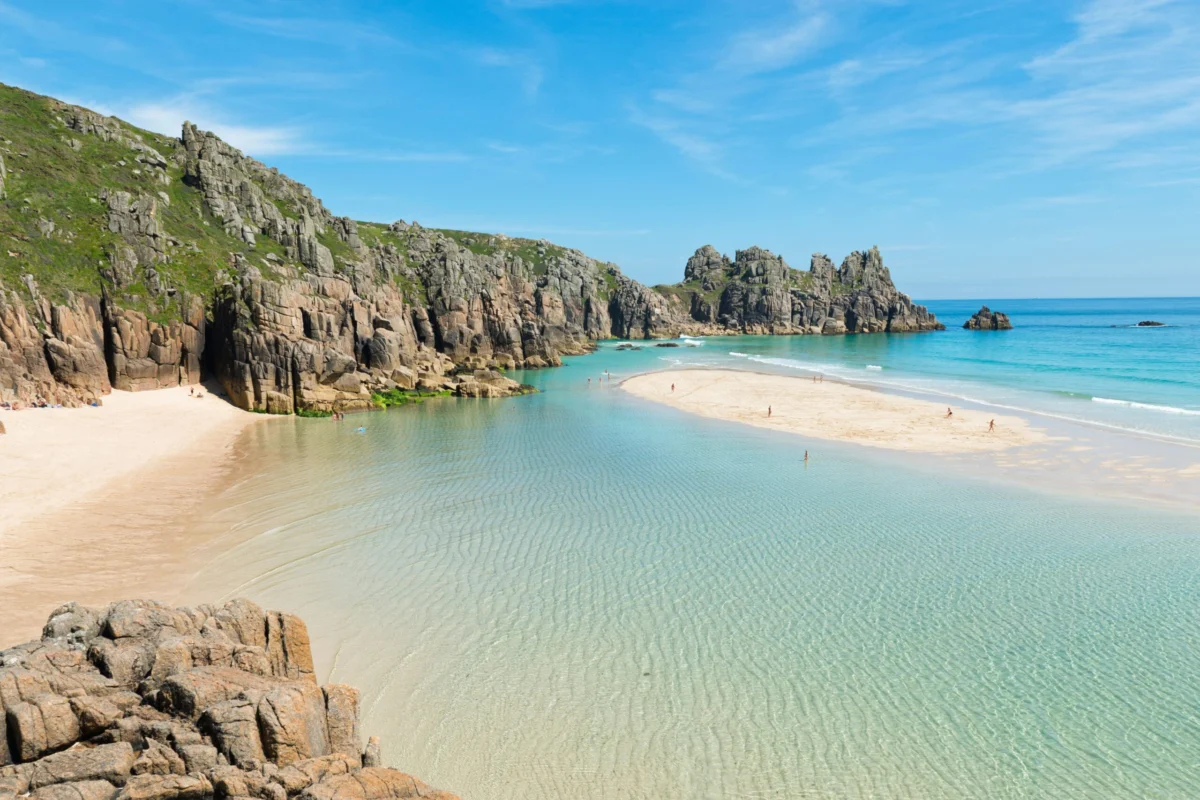
Situated on the rugged southern tip of the Penwith Peninsula, Pedn Vounder Beach has emerged as a focal point for domestic and international tourism, challenging traditional perceptions of the British coastline. While the United Kingdom is historically synonymous with temperate, often volatile weather patterns, the specific microclimate and geological composition of Cornwall have allowed this secluded cove to garner comparisons to tropical destinations such as Bali, Indonesia, and the Caribbean. Located near the village of Treen and the more commercially developed Porthcurno, Pedn Vounder—which translates from the Cornish language to "end of the lane"—represents a confluence of natural beauty, logistical difficulty, and the growing trend of "hidden gem" tourism that has reshaped the Cornish economy over the last decade.
The Geological and Aesthetic Appeal of the Penwith Peninsula
The allure of Pedn Vounder is rooted in its unique geological features. Flanked by high granite cliffs, including the famous Logan Rock—a 65-ton naturally balanced boulder—the beach is protected from the prevailing northwesterly winds. This protection, combined with the crystalline quality of the Atlantic waters in this region, creates a visual phenomenon where the sea appears a vivid turquoise. The sand, composed largely of crushed shells and local granite quartz, possesses a high reflective quality, resulting in a "sugary-white" appearance that is rare in Northern Europe.
Oceanographic experts attribute the clarity of the water to the lack of industrial runoff in the far southwest and the specific tidal currents of the English Channel meeting the Atlantic Ocean. During low tide, the receding waters often leave behind shallow lagoons and intricate sandbars. From the cliffside vantage points, these patterns mimic the coral reefs of tropical archipelagos, providing the aesthetic basis for its frequent ranking among the best beaches in the world by travel authorities such as Condé Nast Traveller and various global tourism indices.
Logistical Challenges and Strategic Access
Unlike the accessible sands of St Ives or Newquay, Pedn Vounder requires a significant level of physical exertion and planning to reach. For travelers originating from London, the journey typically involves a six-hour drive or a five-hour transit via the Great Western Railway to Penzance. From Penzance, visitors must navigate a further 20-minute drive or utilize local bus services to the village of Treen.

The final approach to the beach is perhaps the most significant barrier to entry. After a 15-to-20-minute hike along the coastal path from the Treen car park, visitors encounter a steep, unmaintained descent. This involves a technical "scramble" down granite rocks that can become dangerously slick during Cornwall’s frequent mist or rainfall. Local authorities and safety organizations frequently advise that this path is unsuitable for individuals with mobility issues, small children, or those carrying heavy equipment. The necessity of a hands-free descent has led to a standard recommendation for visitors to use small backpacks rather than traditional beach totes and to wear high-traction footwear.
The Tidal Paradox and Safety Considerations
A critical factor for any excursion to Pedn Vounder is the tidal cycle. Due to the steep incline of the surrounding cliffs, the beach is almost entirely submerged at high tide. Visitors who fail to consult local tide charts risk being "cut off" by the rising water, a situation that necessitates emergency intervention by the Royal National Lifeboat Institution (RNLI) or the Coastguard.
Furthermore, Pedn Vounder is an unpatrolled beach. Unlike the neighboring Porthcurno Beach, there are no permanent lifeguard stations, public toilets, or commercial facilities. This lack of infrastructure is a double-edged sword: it preserves the "untamed" atmosphere that many tourists seek, but it increases the risk profile for swimmers. The Atlantic currents in the area can be deceptively strong, and the absence of immediate medical or rescue facilities requires a high degree of personal responsibility from visitors.
Data and Tourism Trends: The "Staycation" Effect
The rise in Pedn Vounder’s popularity can be mapped against broader economic and social shifts within the UK. According to data from Visit Cornwall, the county sees an average of 4 to 5 million visitors annually, contributing approximately £2 billion to the local economy. However, the COVID-19 pandemic acted as a catalyst for "staycation" travel, driving a 20% increase in domestic tourism to Cornwall’s more remote areas in 2021 and 2022.
Social media has also played a pivotal role in the beach’s transformation from a local secret to a global destination. Data from digital marketing analysts suggest that "Instagrammable" locations like Pedn Vounder see a direct correlation between viral content and physical footfall. While this provides a boost to local businesses in Treen—such as the Logan Rock Inn and the local campsite—it has also led to concerns regarding overtourism. During peak summer months, the small car park in Treen often reaches capacity by mid-morning, leading to traffic congestion on narrow rural lanes that were not designed for high-volume transit.

The Social Landscape: Naturism and Cultural Heritage
Pedn Vounder occupies a unique niche in the social fabric of Cornwall as a well-known, albeit unofficial, naturist beach. For decades, the cove has been a sanctuary for clothing-optional sunbathing, a tradition that persists despite the influx of mainstream tourists. This coexistence is generally peaceful, though it serves as a reminder of the beach’s long-standing status as a place of personal freedom and counter-cultural gathering.
Beyond its social quirks, the area is steeped in Cornish heritage. The nearby Minack Theatre, an open-air amphitheater carved into the granite cliffs by Rowena Cade in the 1930s, offers a cultural backdrop to the natural scenery. The proximity of these landmarks ensures that the Penwith Peninsula remains a destination not just for sunseekers, but for those interested in the architectural and linguistic history of the region.
Official Responses and Environmental Stewardship
The sudden surge in popularity of remote sites like Pedn Vounder has prompted responses from environmental and safety organizations. The National Trust, which manages much of the surrounding coastline, has emphasized the "Leave No Trace" policy to combat the increase in litter and the erosion of coastal paths.
Local council representatives have voiced concerns regarding the sustainability of current tourism levels. In statements regarding the management of West Cornwall’s "honeypot" sites, officials have highlighted the need for improved infrastructure that does not compromise the natural beauty of the area. There is an ongoing debate between those who wish to keep the beach "wild" and those who advocate for better safety signage and waste management facilities to handle the thousands of visitors who descend upon the cove during the summer solstice and August bank holidays.
Broader Implications: The Future of Remote Tourism
The phenomenon of Pedn Vounder reflects a global shift in travel preferences. Modern tourists are increasingly eschewing manicured resorts in favor of "authentic" and "rugged" experiences. However, the "Bali of the UK" moniker carries an inherent irony; while the visuals may mimic the tropics, the reality is a fragile ecosystem governed by the harsh North Atlantic.

The future of Pedn Vounder will likely depend on a delicate balance between accessibility and preservation. As climate change potentially leads to warmer UK summers, the demand for white-sand beaches in Cornwall is expected to rise. This will necessitate a more robust management strategy to ensure that the "end of the lane" does not become a victim of its own beauty. For now, it remains a testament to the unexpected diversity of the English landscape—a place where, for a few hours at low tide, the rugged Atlantic coast offers a convincing imitation of a tropical paradise, provided one is willing to climb for it.
Summary of Visitor Requirements
For those planning a visit, the following factual guidelines are recommended by local travel experts:
- Tide Times: Check the Porthcurno tide tables; the beach is best visited two hours before and after low tide.
- Footwear: Sturdy trainers or hiking boots are essential for the cliff scramble; flip-flops are highly discouraged for the descent.
- Supplies: There are no shops on the beach. Visitors must carry in all water, food, and sun protection, and must carry out all refuse.
- Parking: Use the official car park in Treen. Parking on the grass verges of the B3315 is illegal and obstructs emergency vehicle access.
- Conduct: Be mindful of the beach’s naturist tradition and the lack of lifeguards. Swimming should only be attempted by those confident in open-ocean conditions.
In conclusion, Pedn Vounder Beach stands as a jewel of the Cornish coast, offering a world-class aesthetic experience that rivals the most famous beaches on the planet. Its rise to prominence serves as a case study in the power of digital media to transform remote geography into a global commodity, while highlighting the enduring appeal of the wild, unpredictable British summer.