Ronny Sianturi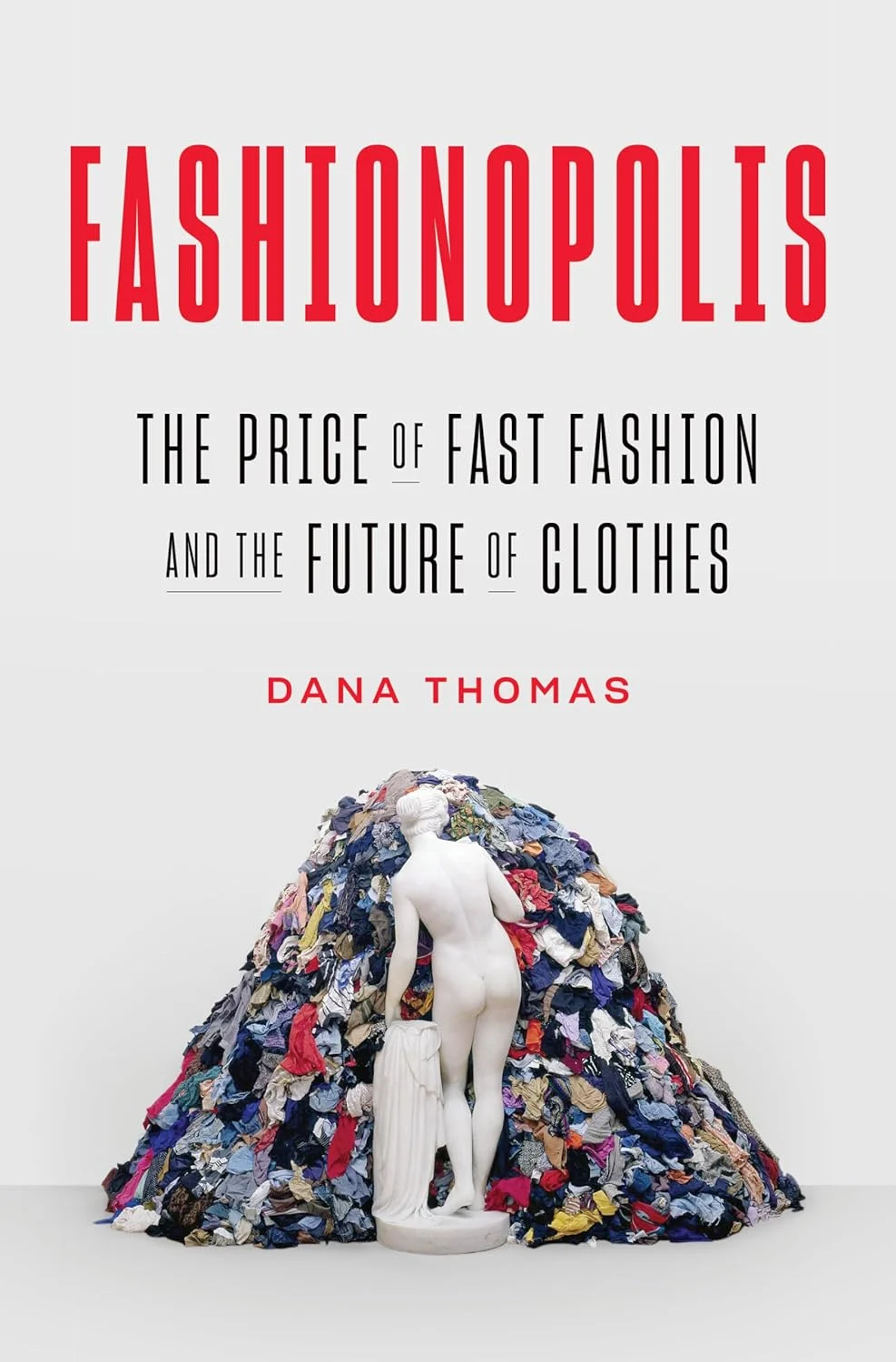
Cate Blanchett, the celebrated Oscar-winning actress, is expanding her engagement with the fashion world, this time through the powerful medium of cinema. Her production company, Dirty Pictures, co-founded with Andrew Upton and Coco Francini, has officially boarded a significant documentary project. This film is an adaptation of Dana Thomas’s seminal book, Fashionopolis: The Price of Fast Fashion and the Future of Clothes, and will be helmed by the acclaimed auteur director, Reiner Holzemer. The project is currently entering its crucial financing phase, signaling a strong commitment from its esteemed team.
The documentary aims to dissect the colossal $3 trillion global fashion industry, a sector characterized by its rapid pace and vast scale. It promises to meticulously examine the profound environmental and human toll exacted by this system, while simultaneously highlighting the groundbreaking work of designers, innovators, and activists who are actively engaged in reshaping its trajectory. The source material, Dana Thomas’s book, has garnered significant critical acclaim, having been recognized by The Independent as one of the best fashion books on sustainability and lauded by The New Yorker for its insightful exploration of how consumerism can be reconciled with ecological responsibility.
A Deep Dive into the Fashion Industry’s Complexities
Fashionopolis is set to offer audiences an unprecedented look into the inner workings of the fashion industry. The filmmakers intend to provide exclusive access to a diverse array of leading figures, including visionary designers, influential policymakers, dedicated labor activists, and forward-thinking innovators. These individuals are at the forefront of driving systemic change, challenging the status quo, and advocating for a more ethical and sustainable fashion landscape. The documentary’s narrative arc will likely explore the intricate supply chains, the impact of consumer demand, and the urgent need for a paradigm shift in how clothing is produced, consumed, and disposed of.
The themes explored in Fashionopolis resonate deeply with Cate Blanchett’s well-documented commitment to sustainability. Throughout her career, Blanchett has consistently leveraged her platform, including her high-profile red carpet appearances, to advocate for eco-conscious business practices and raise awareness about environmental issues. This personal conviction undoubtedly lends a powerful authenticity to her involvement in the project.
Similarly, director Reiner Holzemer brings a wealth of experience in documenting influential figures within the creative industries. His previous works, such as Martin Margiela: In His Own Words, Dries (focused on Belgian designer Dries Van Noten), and Thom Browne: The Man Who Tailors Dreams, demonstrate a keen eye for capturing the essence of artistic vision and the complexities of the fashion world. Holzemer’s filmography also includes Lars Eidinger, a portrait of the German actor and artist, and Leica – A Century of Vision, which explored the cultural impact of photography. His directorial approach, often characterized by a deep respect for his subjects and an ability to elicit candid insights, suggests that Fashionopolis will be more than just a critical examination; it will likely be a nuanced and compelling exploration of the human element within the industry.
The Author’s Expertise and Cinematic Contributions
Dana Thomas, the author whose book forms the bedrock of the documentary, is a highly respected voice in fashion journalism and a recognized authority on sustainability. Her extensive background as a longtime contributor to The New York Times and her role as the host of The Green Dream, an award-winning sustainability podcast, underscore her deep understanding of the subject matter. Thomas has also made notable forays into the film industry, notably by scripting Salvatore: Shoemaker of Dreams, a feature documentary directed by Luca Guadagnino that premiered at the Venice Film Festival in 2020. Her earlier book, Deluxe: How Luxury Lost Its Luster, was also adapted into the docuseries Kingdom of Dreams.
When Fashionopolis was first published, it received widespread praise. Publishers Weekly described it as a “thoroughly reported and persuasively written” work, a “clarion call for more responsible practices in fashion” that would resonate with both industry professionals and socially conscious consumers. This critical reception highlights the book’s potential to serve as a powerful catalyst for change, a potential that the documentary is poised to amplify.
Thomas is not only credited with writing the documentary but is also serving as a producer. She is joined in this capacity by Bronwyn Cosgrave, another prominent figure in fashion writing and industry analysis. Cosgrave’s impressive production credits include co-producing the Apple TV+ series The Super Models, which chronicled the careers of Naomi Campbell, Cindy Crawford, Linda Evangelista, and Christy Turlington. She also produced Manolo: The Boy Who Made Shoes For Lizards and Larger Than Life: The Kevyn Aucoin Story. The production team is further strengthened by the involvement of Danielle Perissi as an executive producer, bringing his experience from projects such as Anbessa and Every Last Child.

A Vision of Hope and Transformation
Reiner Holzemer articulated a clear vision for the documentary, stating, "At its heart, Fashionopolis is a film about possibility – about the belief that fashion can transform itself into a more responsible, more beautiful future. Throughout my career, I have been drawn to fashion for its artistry and creativity. With Fashionopolis, I want to shift my lens toward the changemakers reimagining fashion from within. My goal is not to point fingers, but to portray stories that inspire dialogue and spark hope.” This statement suggests a nuanced approach, one that seeks to illuminate solutions and inspire action rather than solely focusing on condemnation.
Dana Thomas echoed this sentiment, emphasizing the empowering aspect of the narrative: "We meet designers, activists, and innovators working to change fashion from within – and reveal how everyday choices can help build a more just and beautiful future." This focus on agency, both at the industry level and for the individual consumer, is crucial for fostering tangible change.
Dirty Pictures: A Foundation for Impactful Storytelling
Dirty Pictures, Blanchett’s production company, has established a reputation for producing genre-spanning work across both television and film. The company is also behind the critically acclaimed podcast Climate of Change, further demonstrating its commitment to addressing pressing global issues. Their impressive filmography includes acclaimed projects such as Mrs. America, Stateless, Truth, Carol, Little Fish, Apples, and The Turning. This diverse portfolio highlights Dirty Pictures’ capability to tackle complex narratives with sensitivity and artistic integrity, making them an ideal partner for a project as significant as Fashionopolis.
The Broader Context: Fast Fashion’s Environmental and Social Footprint
The impetus for a documentary like Fashionopolis is rooted in the stark realities of the fast fashion industry. This business model, driven by the rapid production of inexpensive clothing to meet fleeting trends, has profound and far-reaching consequences.
Environmental Impact:
- Resource Depletion: The fashion industry is a major consumer of water. Producing a single cotton t-shirt can require up to 2,700 liters of water – enough for one person to drink for 2.5 years. Globally, the textile industry accounts for approximately 20% of global wastewater, often laden with toxic dyes and chemicals.
- Pollution: Synthetic fibers, such as polyester, are derived from petroleum and contribute to microplastic pollution when washed. These microplastics enter waterways and oceans, harming marine life and potentially entering the human food chain. Dyeing and finishing processes also release significant amounts of chemical pollutants into water sources.
- Waste Generation: The cyclical nature of fast fashion encourages a throwaway culture. Millions of tons of textile waste are generated annually, with a significant portion ending up in landfills. This waste can take hundreds of years to decompose, releasing greenhouse gases in the process.
- Carbon Emissions: The global fashion industry is estimated to be responsible for up to 10% of global carbon emissions, more than international flights and maritime shipping combined. This is due to energy-intensive manufacturing processes, global transportation networks, and the reliance on fossil fuel-based synthetic materials.
Human Cost:
- Labor Exploitation: The pursuit of lower production costs often leads to the exploitation of garment workers, predominantly in developing countries. Workers frequently face low wages, excessive working hours, unsafe working conditions, and suppression of labor rights. The collapse of the Rana Plaza garment factory in Bangladesh in 2013, which killed over 1,100 workers, remains a tragic testament to these dangerous conditions.
- Health Risks: Exposure to hazardous chemicals used in textile production can pose serious health risks to workers, leading to respiratory illnesses, skin conditions, and other long-term health problems.
- Economic Disparities: While the fashion industry generates trillions of dollars in revenue, the profits are often concentrated at the top, with garment workers receiving a minuscule fraction of the retail price of the clothing they produce.
The Rise of Sustainable Fashion and Innovation
In response to these escalating concerns, a growing movement towards sustainable and ethical fashion is gaining momentum. Fashionopolis is poised to explore this burgeoning sector, which encompasses a range of innovative approaches:
- Circular Economy Models: This involves designing products for longevity, repairability, and recyclability, aiming to keep materials in use for as long as possible and minimize waste.
- Sustainable Materials: The development and adoption of eco-friendly materials such as organic cotton, recycled polyester, Tencel, and innovative bio-based fabrics are crucial.
- Ethical Production: Brands are increasingly focusing on fair labor practices, ensuring living wages, safe working environments, and transparent supply chains.
- Slow Fashion: This movement advocates for mindful consumption, encouraging consumers to invest in fewer, higher-quality pieces that are made to last and to support brands committed to ethical and sustainable practices.
- Technological Advancements: Innovations in textile recycling, waterless dyeing techniques, and 3D printing are offering new possibilities for reducing the environmental impact of fashion production.
Implications and Future Outlook
The production of Fashionopolis arrives at a critical juncture for the global fashion industry. As consumer awareness of sustainability issues grows, so does the pressure on brands to adopt more responsible practices. The documentary has the potential to significantly influence public discourse and consumer behavior. By shedding light on the often-hidden costs of fast fashion and showcasing the inspiring work of those driving positive change, it can empower individuals to make more informed choices and demand greater accountability from the industry.
The involvement of high-profile figures like Cate Blanchett and Reiner Holzemer, coupled with the credibility of Dana Thomas’s research and the production expertise of Dirty Pictures and Bronwyn Cosgrave, positions Fashionopolis as a documentary with the potential for significant cultural and commercial impact. Its journey from book to screen signifies a growing recognition within the entertainment industry of the importance of addressing pressing global issues through compelling storytelling. The film’s financing phase is a critical step, and its eventual release is eagerly anticipated by those invested in a more sustainable and equitable future for fashion. The project represents a powerful convergence of artistic talent, journalistic rigor, and a shared commitment to fostering positive change in one of the world’s largest and most influential industries.