Prabowo Widodo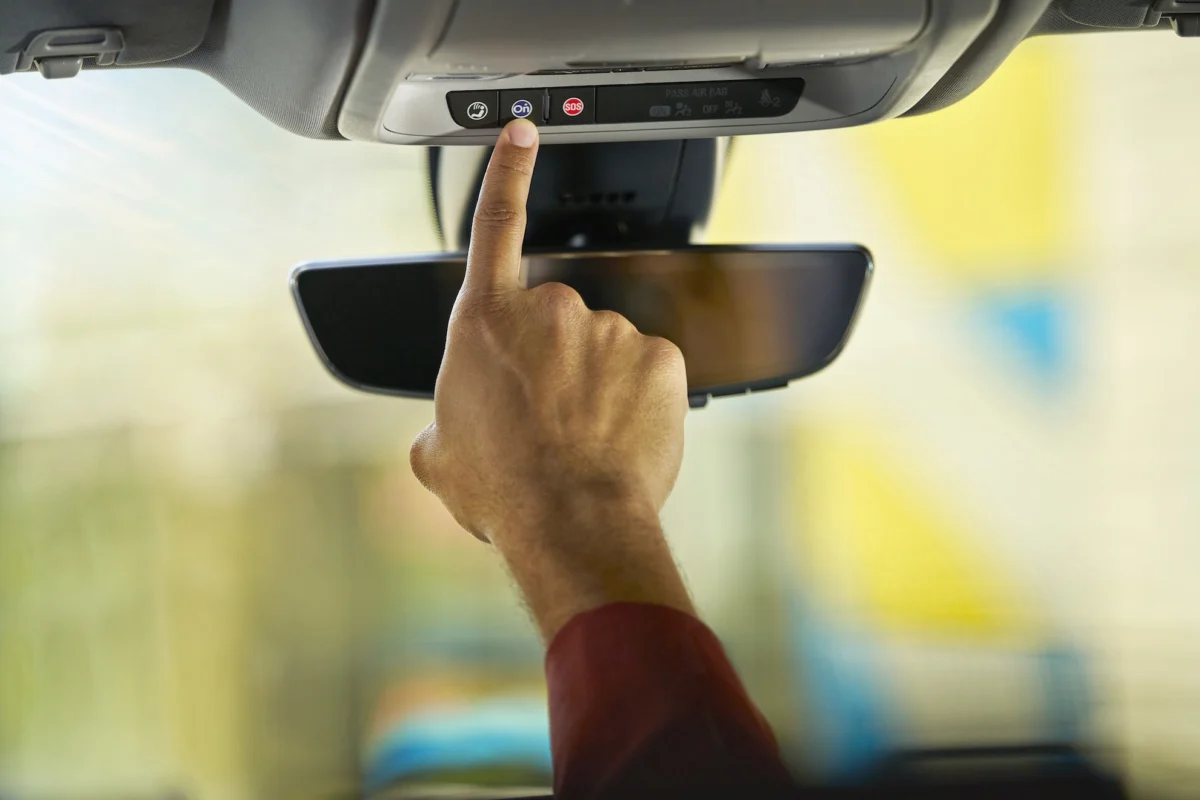
The groundbreaking settlement, announced by Attorney General Bonta’s office, addresses claims that General Motors, through its OnStar program, systematically collected and sold sensitive driver data without explicit consent. This data, which allegedly included names, contact information, geolocation data, and detailed driving behavior, was then transmitted to prominent data brokers such as Verisk Analytics and LexisNexis Risk Solutions. The California Attorney General’s office estimated that GM generated approximately $20 million from these data sales, impacting hundreds of thousands of Californians.
The Settlement Unpacked: Penalties and Future Directives
Under the terms of the agreement, General Motors is mandated to pay a civil penalty of $12.75 million. Beyond the financial punitive measure, the settlement imposes significant operational changes on the automaker. For a period of five years, GM is prohibited from selling driving data to any consumer reporting agencies. This directive aims to sever the controversial link between vehicle telematics and the data broker industry that has been at the heart of recent privacy debates.
Furthermore, GM has committed to deleting all driver data it currently retains within 180 days, unless explicit consent is obtained from the respective customers. The automaker is also required to request that LexisNexis Risk Solutions and Verisk Analytics similarly delete any data they received from GM. These provisions underscore a broader regulatory push towards data minimization and the principle that companies should not indefinitely retain consumer data for purposes beyond its initial collection without clear authorization.
Attorney General Rob Bonta emphasized the gravity of the alleged actions, stating, "General Motors sold the data of California drivers without their knowledge or consent and despite numerous statements reassuring drivers that it would not do so." He further articulated the broader implications of the settlement, adding, "This settlement requires General Motors to abandon these illegal practices and underscores the importance of the data minimization in California’s privacy law – companies can’t just hold on to data and use it later for another purpose."
Background: The Data Privacy Firestorm Ignited
The current settlement emerges from a burgeoning controversy surrounding data privacy in the automotive sector, which gained significant public traction in early 2024. A pivotal report by The New York Times in March 2024 brought to light the practices of several automakers, including General Motors, who were reportedly sharing granular details about their customers’ driving behavior with insurance companies. This exposé raised immediate concerns among consumers, with many reporting unexpected increases in their insurance rates, leading them to suspect a direct correlation with the shared driving data.
While the New York Times report highlighted consumer apprehension regarding insurance rate hikes, Attorney General Bonta’s office clarified a critical distinction for California residents. The official announcement noted that the data sales did not, in fact, lead to increased insurance prices within California. This crucial difference was attributed to California’s stringent insurance laws, which explicitly prohibit insurers from using driving data as a factor in setting insurance rates. This legal safeguard, unique to California in this context, demonstrates the proactive role the state has played in consumer protection.
GM’s "Smart Driver" Program and OnStar’s Role
At the core of the allegations was GM’s "Smart Driver" program, a feature often integrated with or leveraging the broader OnStar telematics system. OnStar, launched in 1996, has long been a staple in GM vehicles, offering an array of services from emergency assistance and navigation to diagnostics. Over time, its capabilities expanded, enabling it to collect vast amounts of data on vehicle performance and driver behavior. The "Smart Driver" program specifically incentivized or enabled the collection of driving habits, ostensibly to provide drivers with insights into their performance or potentially offer discounts.
However, the investigation revealed that the data collected through this program was allegedly being monetized through sales to data brokers. GM, in a statement to Reuters, acknowledged the discontinuation of the "Smart Driver" product in 2024, emphasizing that the settlement "addresses Smart Driver, a product we discontinued in 2024, and reinforces steps we’ve taken to strengthen our privacy practices." This retrospective acknowledgment suggests an internal recognition of the program’s problematic nature well before the settlement was finalized.
The Role of Data Brokers: Verisk and LexisNexis
The settlement specifically names Verisk Analytics and LexisNexis Risk Solutions as the data brokers to whom GM allegedly sold consumer information. These companies operate as critical intermediaries in the broader data ecosystem, aggregating vast quantities of personal and behavioral data from various sources to create comprehensive profiles. These profiles are then sold to clients across industries, including insurance, marketing, and financial services.
Verisk Analytics, a global data analytics and risk assessment firm, provides data-driven insights and solutions primarily for the insurance and financial services sectors. LexisNexis Risk Solutions, a subsidiary of RELX, specializes in providing data and analytics for risk management, identity verification, and fraud prevention across numerous industries, including insurance. Both entities are classified as consumer reporting agencies under certain regulatory frameworks, meaning their handling of consumer data is subject to specific legal requirements, including those related to accuracy, privacy, and permissible use. The sale of driving behavior data to such entities raised red flags because of the potential for this information to be used in ways that could negatively impact consumers, such as influencing insurance premiums, credit scores, or even eligibility for certain services.
Regulatory Scrutiny: California’s Leadership in Data Privacy
California has consistently been at the forefront of data privacy legislation in the United States. The California Consumer Privacy Act (CCPA), enacted in 2018 and later expanded by the California Privacy Rights Act (CPRA) in 2020, established robust rights for consumers regarding their personal information. These laws grant Californians the right to know what personal data is being collected about them, the right to delete it, and the right to opt out of its sale.
Attorney General Bonta’s aggressive pursuit of this case against General Motors is a testament to California’s commitment to enforcing these privacy protections. It signals to corporations that compliance with state privacy laws is not optional and that unauthorized data monetization will face significant legal repercussions. The state’s unique insurance laws also played a crucial role, demonstrating how specific regulatory frameworks can mitigate potential harms even when data is shared. The fact that the data sales did not directly impact insurance rates in California, unlike concerns raised elsewhere, underscores the effectiveness of such proactive legislation.
The FTC’s Prior Intervention and Broader Context
This settlement with California is not General Motors’ first encounter with regulatory bodies over its data practices. The company had previously settled with the Federal Trade Commission (FTC) concerning its data sales. A final order from that earlier settlement specifically banned General Motors and OnStar from selling certain data to consumer reporting agencies. While the precise date of the FTC settlement is noted as 2026/01/14 in an associated link, the context implies it was a prior action that set a precedent for the current state-level enforcement. This layering of federal and state actions highlights a concerted effort by regulators to rein in potentially exploitative data practices within the automotive industry.
The FTC’s involvement signifies a broader federal concern regarding how connected vehicles collect and utilize consumer data. As cars become increasingly sophisticated, equipped with numerous sensors, cameras, and connectivity features, they generate an unprecedented volume of personal and behavioral data. This data can include everything from precise location history and driving speed to infotainment usage and even biometric information if advanced driver monitoring systems are in place. The legal and ethical frameworks for handling such data are still evolving, making regulatory actions like these critical in shaping industry standards.
Implications for Consumers and the Auto Industry
The GM settlement carries significant implications for both consumers and the broader automotive industry. For consumers, it reinforces their privacy rights and the expectation that their data will not be sold or shared without their explicit, informed consent. It also raises awareness about the hidden data streams generated by their vehicles and encourages greater scrutiny of privacy policies associated with in-car technologies. The "data minimization" principle championed by AG Bonta—that companies should only collect data necessary for a stated purpose and not retain it indefinitely for future, undefined uses—is a critical win for consumer privacy.
For the automotive industry, the settlement serves as a stark warning. Automakers are under increasing pressure to re-evaluate their data collection, usage, and sharing practices. The era of loosely defined consent and opaque data monetization strategies appears to be drawing to a close. Companies will likely need to invest more in transparent privacy policies, clear consent mechanisms, and robust data governance frameworks. This includes detailed explanations of what data is collected, why it’s collected, who it’s shared with, and how consumers can exercise their rights to access, delete, or opt out of its sale. The discontinuation of GM’s "Smart Driver" program in 2024, well before the California settlement, suggests that some automakers are already adjusting their strategies in anticipation of increased regulatory scrutiny.
The Future of Connected Car Data
The case against General Motors is indicative of a larger trend in data privacy enforcement, particularly as the Internet of Things (IoT) expands to encompass everything from smart homes to connected vehicles. The sheer volume and sensitivity of data generated by modern cars make them unique privacy battlegrounds. Experts predict that regulatory bodies, both state and federal, will continue to scrutinize how automakers handle this data, pushing for stronger consumer protections.
Future developments may include industry-wide standards for data collection and sharing, more standardized consent interfaces within vehicles, and potentially new legislation specifically addressing automotive data privacy. The ongoing debate about "data ownership" – whether the driver, the vehicle owner, or the manufacturer truly owns the data generated by a car – will also likely intensify. This settlement marks another significant step in defining the boundaries of corporate data practices in the age of pervasive connectivity, ensuring that consumer privacy remains a paramount consideration in technological innovation.
GM’s Response and Future Commitments
In its statement to Reuters, General Motors reiterated its commitment to strengthening its privacy practices, noting that the settlement "addresses Smart Driver, a product we discontinued in 2024, and reinforces steps we’ve taken to strengthen our privacy practices." This statement positions the settlement as an affirmation of changes already underway rather than a forced pivot.
The automotive giant will now be tasked with demonstrating its compliance with the settlement terms, including the deletion of data and the five-year moratorium on selling driving data to consumer reporting agencies. The industry will be closely watching GM’s subsequent actions, as they will likely set a benchmark for how major automakers navigate the complex and evolving landscape of connected car data privacy. The era of the connected car promises unparalleled convenience and safety, but this settlement underscores that these benefits must not come at the expense of fundamental consumer privacy rights.