Layla Zulfa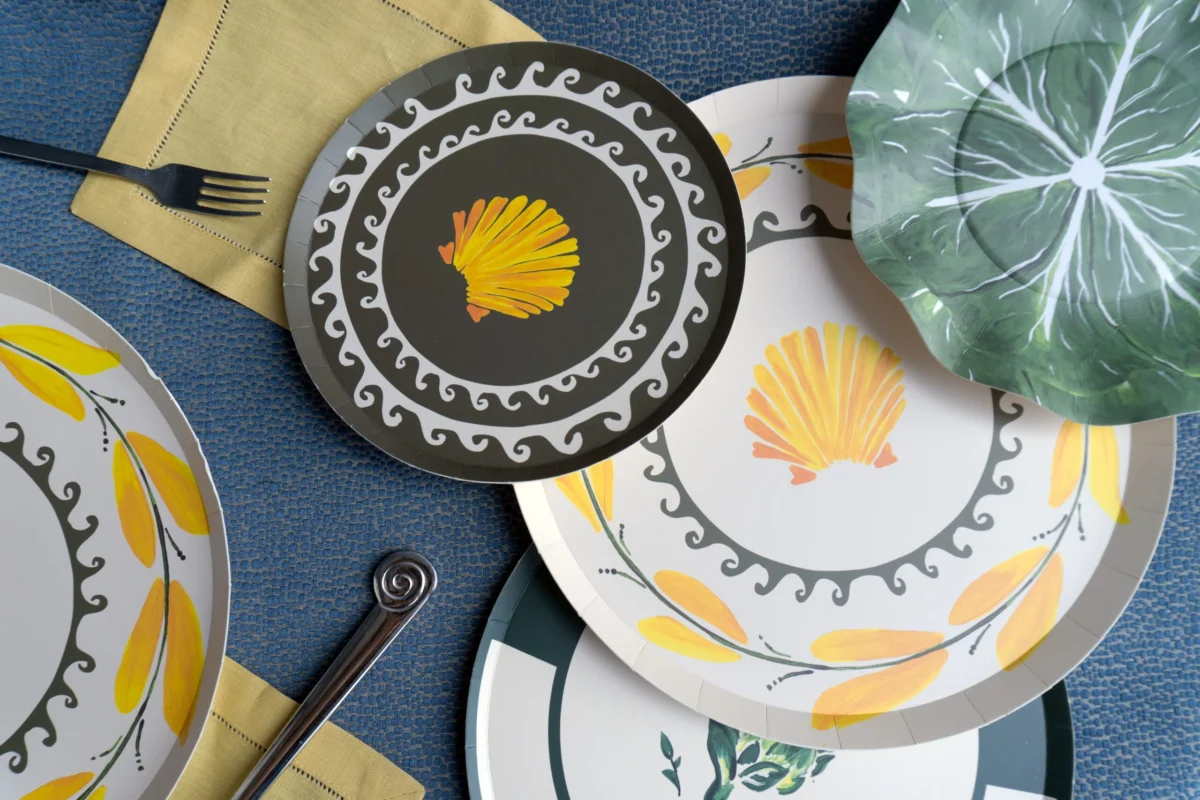
The traditional boundaries between high-end hosting and convenience are blurring as a new category of "luxury disposables" redefines the modern tabletop. For decades, the use of paper plates was relegated to informal backyard barbecues or children’s birthday parties, often characterized by flimsy construction and uninspired patterns. However, a significant shift in consumer behavior and design innovation has elevated the humble disposable plate into a statement piece capable of anchoring sophisticated events. From Boston brownstones to upscale bridal showers, hosts are increasingly opting for paper products that mimic the intricate patterns of Italian porcelain and French toile, prioritizing aesthetic appeal without the burdensome cleanup of traditional stoneware.
The Evolution of the Elevated Tabletop
The emergence of stylish paper plates represents a convergence of several cultural trends: the "dupe" culture popularized by social media, a post-pandemic surge in home-based entertaining, and a growing demand for sustainable yet functional party supplies. This evolution was notably observed during recent holiday seasons, where hosts began integrating "Ginori-style" paper plates into formal Friendsgiving settings. The appeal lies in the "tongue-in-cheek" play on design snobbery—offering guests the visual complexity of high-end Italian ceramics like those from Richard Ginori, but with the practical benefit of single-use disposal.

This trend is not merely about imitation; it is an "antidote for event stress." For large-scale gatherings such as bridal showers or weddings held in venues without industrial dishwashers, the logistical nightmare of cleaning thirty or more sets of dishes often detracts from the hosting experience. The modern solution involves curated lists of style-conscious disposables that offer a "fabulous" alternative to standard supermarket brands. While legacy brands like Dixie have long dominated the market with utilitarian designs, the new guard of tableware designers is focusing on original artwork, hand-painted motifs, and heavy-duty structural integrity.
Market Drivers: Sustainability and Structural Integrity
One of the primary catalysts for the adoption of premium paper plates is the shift away from plastic and the increasing awareness of environmental health. Traditional plastic plates and some lower-end coated paper products have faced scrutiny for the presence of per- and polyfluoroalkyl substances (PFAs), often referred to as "forever chemicals." In response, the premium segment of the market has prioritized eco-conscious manufacturing.
Current industry standards for "chic" disposables include:
.jpeg)
- PFA-Free Coatings: Utilizing safer moisture barriers that prevent oil and sauce from seeping through the plate.
- Recycled Content: Many high-end options are now manufactured from 100% recyclable or FSC-certified paper.
- Compostability: A growing number of brands offer fully compostable plates that break down in industrial facilities, offering a more neutral environmental footprint.
- Heavy-Duty Construction: To compete with ceramic, these plates are engineered to be "soak-proof" and "cut-resistant," capable of supporting dense foods such as chocolate cake, sliders, or pasta salads without buckling.
A Chronology of Design Trends in Disposables
The aesthetic trajectory of paper plates has moved through several distinct phases over the last decade. Initially, the market saw a rise in solid-colored, "heavyweight" plates intended to look more substantial than their predecessors. By the mid-2010s, geometric patterns and gold-foil accents became the standard for "fancy" parties.
Today, the trend has moved toward "maximalism" and historical revivalism. Designers are looking to 18th-century European fine china, Mediterranean majolica, and the Arts and Crafts movement for inspiration. This shift allows hosts to create "Instagrammable" tablescapes that look expensive in photographs but cost a fraction of a rental or purchase price for real china.
The Mediterranean and Majolica Influence
Brands like Table Two Studio have led the charge with designs inspired by the Mediterranean coast. Their collections often feature seashell motifs, olive branches, and the vibrant blues and yellows associated with Italian ceramics. This "majolica-meets-single-use" aesthetic appeals to consumers who want to evoke the feeling of a coastal summer soiree. The quality of the printing has also improved; where older plates often suffered from "lo-fi" or pixelated screenprints, modern premium versions use high-resolution techniques to preserve the look of hand-painted original artwork.
.jpeg)
The Historical and Artisanal Revival
Illustrators like Molly Hatch have collaborated with party suppliers like Coterie to bring museum-quality designs to the disposable market. Hatch’s work, often inspired by 18th-century European porcelain, features intricate detailing and palettes that match tiled backsplashes and classic kitchen aesthetics. This movement brings high art to the "upscale fish fry" or "Mother’s Day tea," providing a level of detail previously unavailable in the disposable category.
Economic and Practical Analysis of Premium Disposables
The economic argument for premium paper plates is centered on "opportunity cost." While a set of eight premium plates might cost between $9 and $12—significantly more than a bulk pack of 50 basic plates—they remain far more affordable than renting high-end china or purchasing permanent sets for one-time events.
| Feature | Standard Disposable | Premium "Chic" Disposable | Rental China |
|---|---|---|---|
| Average Cost per Plate | $0.15 – $0.30 | $1.00 – $2.00 | $2.50 – $5.00+ |
| Aesthetic Value | Low (Utility) | High (Design-forward) | Very High (Authentic) |
| Cleanup Time | Zero | Zero | High (Scraping/Packing) |
| Structural Integrity | Low to Moderate | High | Maximum |
| Environmental Impact | Varies (often plastic-coated) | High (Recycled/Compostable) | Reusable (Long-term) |
For many modern hosts, the $1.50 per plate investment is a justified expense to avoid "the hell of a putrid sink and a stack of filthy dishes in the blinding morning light." This sentiment is particularly strong among millennial and Gen Z consumers who value "experience" and "aesthetic" but are often "time-poor" or living in urban environments with limited kitchen space.
.jpeg)
Regional and Aesthetic Variations
The "chic paper plate" movement is not monolithic; it adapts to various regional and thematic hosting styles.
- Scandinavian Minimalism: Designs that mimic "Dansk-style" steelite or mess hall-esque plates are gaining traction in the Pacific Northwest and Northern Europe. These feature clean lines and simple "trimmed" edges, fitting for a minimalist backyard barbecue or a "Fourth of July" palette.
- English Countryside and Arts and Crafts: Patterns reminiscent of William Morris or vintage wildflower prints are popular for garden parties. Reviewers often highlight that these designs feel "ornate but not stuffy," providing a "floral but not chintzy" atmosphere.
- Whimsical and Cinematic: The influence of filmmakers like Wes Anderson has reached the tabletop. Plates featuring "camp-style" or "woodland retreat" motifs—such as the Scout collections found on platforms like Etsy—are used to create themed environments that feel like movie props. These often pair well with simple white tablecloths and pewter accents, allowing the plate to serve as the primary decorative element.
Broader Impact on the Event Planning Industry
The acceptance of high-end disposables is changing how event planners approach budget allocation. By saving on the cost of china rentals and the labor required for dishwashing, planners can reallocate funds toward higher-quality catering or floral arrangements. This "hybrid hosting" model—where real silverware and glassware are paired with high-quality paper plates—is becoming a standard practice for mid-range weddings and corporate retreats.
Furthermore, the "dupe" aspect of these products has democratized high-end design. Consumers who admire the $100-per-plate price point of luxury porcelain can now participate in that aesthetic for a fraction of the cost. This has led to a more "playful" approach to formal dining, where the rigid rules of traditional etiquette are replaced by a focus on visual joy and ease of interaction.
.jpeg)
Future Projections for the Disposable Tableware Market
Market analysts predict continued growth in the premium disposable sector. As printing technology becomes even more sophisticated, we can expect to see textures and finishes that mimic the tactile feel of ceramic or wood. Additionally, as municipal composting programs expand, the demand for certified compostable high-design plates will likely outpace traditional paper options.
The "chic paper plate" is no longer a contradiction in terms. It is a reflection of a modern lifestyle that refuses to choose between beauty and practicality. Whether it is a Mediterranean-inspired dinner or a woodland-themed campout, the disposable plate has officially secured its place as a legitimate tool of the sophisticated host, proving that a tabletop can be both "ingenious" and "ingeniously easy" to clean.