
 Prabowo Widodo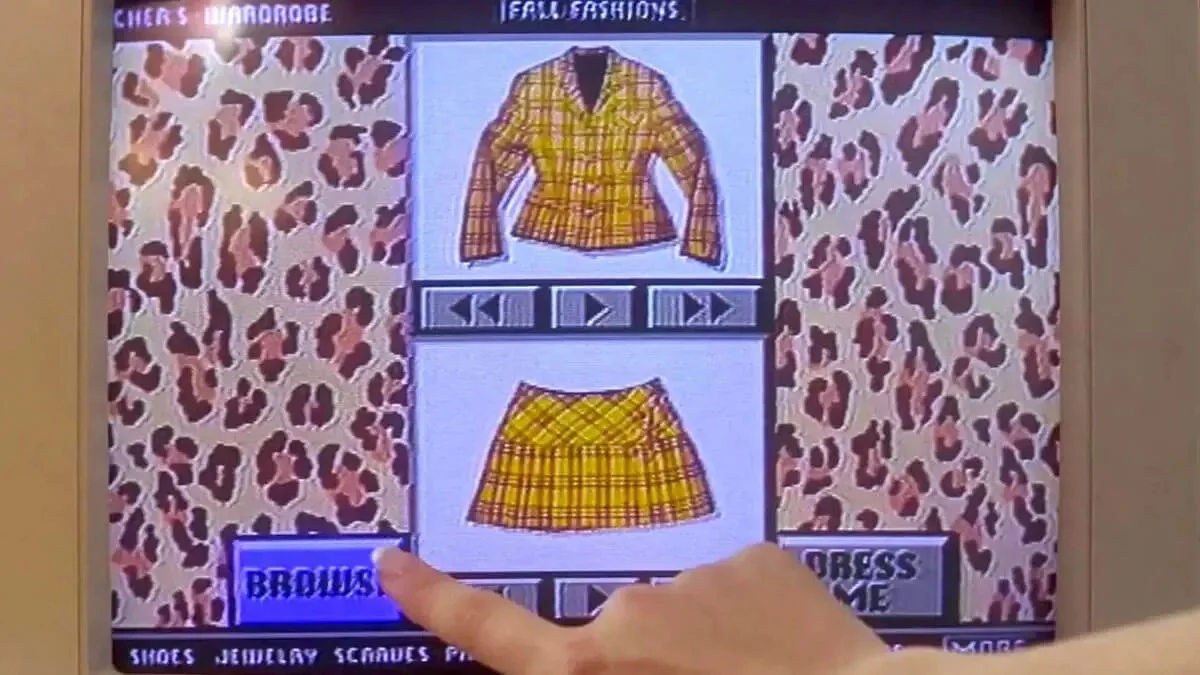
Google Photos announced on Wednesday the forthcoming launch of an innovative AI-powered feature designed to revolutionize personal styling by transforming users’ clothing photographs into a comprehensive digital closet. This new capability will empower individuals to generate novel outfit ideas and even virtually try on their creations, marking a significant stride in the integration of artificial intelligence into everyday life. The concept, which resonates strongly with pop culture, draws clear inspiration from Cher Horowitz’s iconic virtual wardrobe depicted in the 1999 film "Clueless," where the protagonist effortlessly navigated through her extensive ensembles to select the perfect attire.
The technology underpinning this feature leverages advanced AI to automatically construct a digital replica of a user’s wardrobe. This digital inventory is meticulously compiled from clothing items identified within their existing Google Photos library. Once the items are cataloged within the application, users will gain the ability to filter them by various categories, such as tops, bottoms, outerwear, footwear, accessories, and jewelry. This granular classification facilitates seamless mix-and-match functionality, enabling users to experiment with countless combinations to curate distinct outfits tailored to their preferences and needs.
The Evolution of the Digital Closet: From Fiction to Reality
The allure of a digital wardrobe, as famously envisioned in "Clueless," has long captivated the fashion industry and technology developers alike. In the film, Cher’s sophisticated system underscored her privileged lifestyle, showcasing a futuristic convenience that seemed aspirational. For decades following the movie’s release, numerous fashion brands, startups, and tech innovators have ardently pursued the ambition of recreating this effortless outfit-creation experience. Early attempts often involved manual cataloging or rudimentary digital tools, which, while functional, lacked the seamless integration and intelligence required for widespread adoption. Google’s current venture signifies a pivotal moment, betting on the maturity of AI technology to finally democratize access to such a tool, one that is poised to enhance its capabilities and precision as AI continues to advance.
This new feature from Google Photos extends beyond mere cataloging. It offers practical applications such as the ability to share generated outfit ideas with friends for feedback or to save them to personalized digital moodboards. These moodboards can be organized for specific occasions, ranging from travel itineraries and formal events to casual date nights or professional work attire, providing a structured approach to wardrobe planning. A particularly anticipated functionality is the virtual try-on capability, allowing users to preview how different items and combinations might look on them without the physical effort of changing clothes.
AI’s Growing Footprint in Fashion and Personal Styling
Google’s foray into the digital wardrobe space is indicative of a broader industry trend where artificial intelligence is increasingly being integrated across various facets of the fashion ecosystem. From supply chain optimization and trend forecasting to personalized shopping experiences and virtual try-on solutions in e-commerce, AI is reshaping how consumers interact with clothing. Companies like Stitch Fix and Rent the Runway have already demonstrated the power of algorithms in personal styling and subscription services, albeit with a focus on product delivery rather than existing wardrobe management.
The development of this feature aligns with Google’s overarching strategy of embedding AI into its core product offerings, from Search and Assistant to Google Photos itself. By leveraging its vast expertise in machine learning and image recognition, Google aims to enhance user experience and provide intelligent tools that simplify daily tasks. The specific AI mechanisms employed for the digital wardrobe are designed to recognize distinct clothing and accessory items within a user’s photo library, subsequently creating individual digital snapshots. While the AI is expected to perform well with clear, well-lit, full-body photographs, the company acknowledges that users might achieve superior results by proactively taking dedicated pictures of their garments, reminiscent of Cher’s meticulous cataloging process.
The Competitive Landscape and Google’s Strategic Positioning
While Google Photos’ new feature is poised to capture significant attention, it enters a market segment that already hosts several established players. Competitors include dedicated apps like Acloset, Combyne, Pureple, Whering, and Alta, all of which offer various forms of digital closet management, outfit planning, and style inspiration. Acloset, for instance, provides AI-powered fashion assistance, while Combyne focuses on outfit creation and community sharing. Pureple offers an AI-driven outfit planner, and Whering aims to be a comprehensive digital closet solution. Alta, among others, targets personalized style recommendations.

Google Photos, however, possesses several inherent advantages that could differentiate its offering. Firstly, its massive global user base provides an immediate and extensive reach. Secondly, the seamless integration with a user’s existing photo library eliminates the initial hurdle of manually uploading items, a common friction point for many competing apps. Users already have years of clothing photos stored, ready for the AI to process. Thirdly, Google’s robust AI infrastructure and continuous investment in research and development promise a sophisticated and evolving feature set that smaller startups might struggle to match in terms of scale and accuracy.
Despite these advantages, challenges remain. User adoption will depend on the feature’s accuracy in identifying diverse clothing items, its ease of use, and its ability to deliver genuinely helpful styling suggestions. Data privacy will also be a key consideration, as users will be entrusting Google with highly personal information about their wardrobe. The "human touch" in styling, often cited as a core appeal of personal stylists, is another aspect that AI must convincingly replicate or augment.
Implications for Consumers, Fashion Retail, and Sustainability
The introduction of Google Photos’ digital wardrobe carries significant implications across various domains. For consumers, the benefits are multi-faceted. It offers unparalleled convenience in outfit planning, reducing decision fatigue and saving time during daily routines. The personalized styling suggestions could empower individuals to experiment with new looks and maximize their existing wardrobe, fostering creativity and confidence.
For the fashion retail and e-commerce sectors, this feature could unlock new avenues for engagement. While currently focused on existing garments, future iterations might integrate with online shopping platforms, allowing users to virtually try on potential purchases or receive recommendations for items that complement their current wardrobe. This could enhance the online shopping experience, potentially reducing return rates by providing a more accurate preview of how garments might look.
Perhaps one of the most profound implications lies in the realm of sustainability. In an era increasingly conscious of textile waste and fast fashion’s environmental impact, a tool that encourages users to better utilize their current wardrobe could contribute significantly to more sustainable consumption patterns. By visualizing new ways to wear existing clothes, individuals might be less inclined to make impulse purchases, thereby extending the lifespan of their garments and reducing their overall fashion footprint. This democratization of styling tools could shift consumer behavior towards more mindful consumption.
Rollout and Future Prospects
Google has indicated that the digital wardrobe feature is not yet live but is scheduled to roll out to Google Photos on Android devices later this summer. Following its initial release on Android, the feature will subsequently become available on iOS, where it will be accessible under the "Collections" section within the app. While specific technical details regarding the AI’s underlying mechanisms remain largely undisclosed, Google has expressed confidence in its ability to accurately recognize and categorize clothing and accessories from user photo libraries.
Industry analysts anticipate that the feature’s success will be closely monitored, not just by competitors but also by the broader tech and fashion communities. The ability of the AI to consistently and accurately process a vast array of clothing styles, colors, textures, and lighting conditions will be crucial. Furthermore, the evolution of the virtual try-on functionality, potentially incorporating advanced augmented reality (AR) or virtual reality (VR) capabilities, could further enhance the user experience. Future iterations might also integrate with external data points, such as local weather forecasts or calendar events, to offer even more contextually relevant outfit suggestions.
In conclusion, Google Photos’ announcement represents a significant leap forward in making sophisticated personal styling tools accessible to a mass audience. By blending the nostalgic aspiration of "Clueless" with cutting-edge artificial intelligence, Google is poised to transform how millions manage their wardrobes, create outfits, and engage with fashion. This development underscores the continuous convergence of technology and everyday life, promising a future where personalized style is just a tap away.








