Layla Zulfa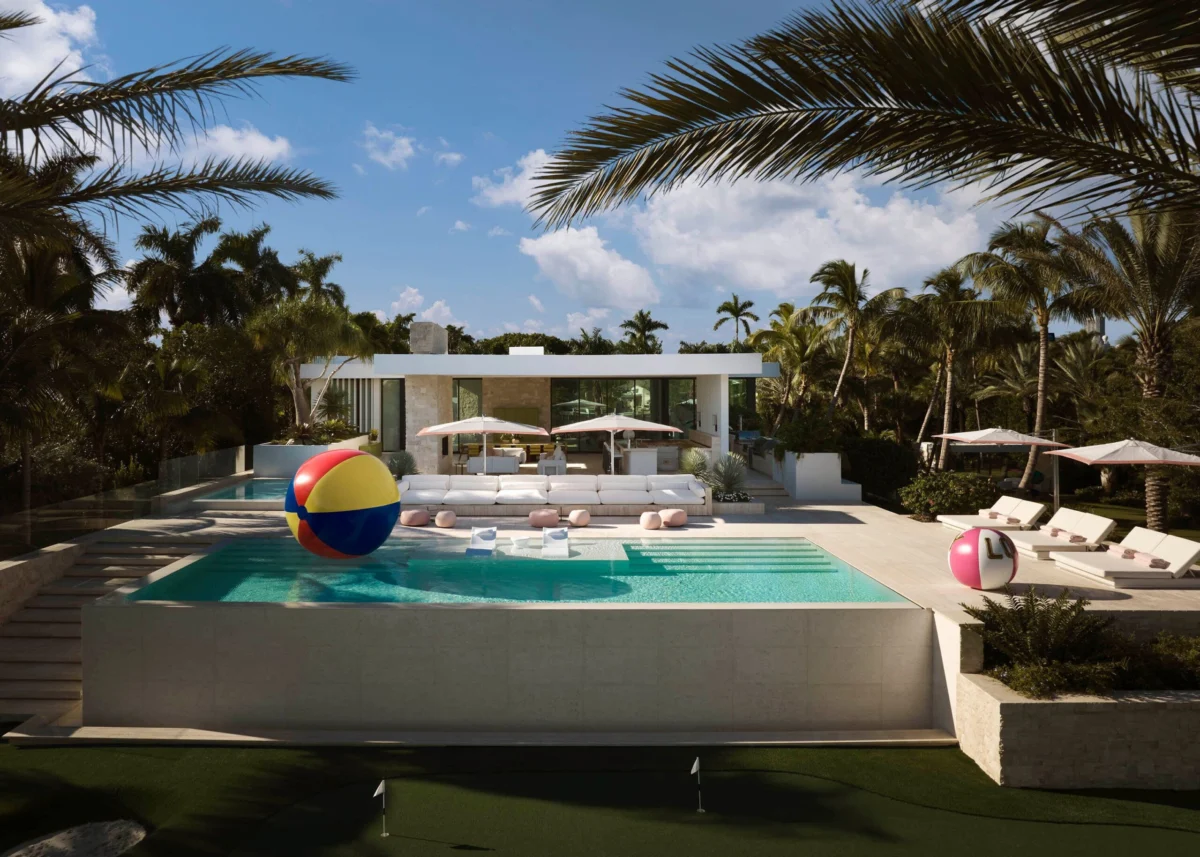
In the rapidly evolving landscape of Miami Beach, where the intersection of high finance, international art, and luxury real estate has created a new epicenter of global culture, a recently completed modernist residence stands as a definitive case study in collaborative design. Commissioned by a couple with a penchant for large-scale entertaining and a world-class art collection, the project brought together a trio of the design industry’s most respected figures: architects Max Strang of Strang Design, interior designers Christine and John Gachot of Gachot Studios, and landscape architect Raymond Jungles. The resulting waterfront estate is a nuanced exploration of what the designers term "elegant tropical brutalism," a style that pays homage to Florida’s architectural heritage while firmly establishing a contemporary vernacular.

A Strategic Collaboration of Creative Minds
The genesis of the project was rooted in a specific desire for a home that functioned both as a private sanctuary for a large family and a sophisticated venue for social gatherings. Unlike many high-end residential projects where designers work in silos, this Miami build was characterized by an unusually high degree of cross-disciplinary intuition. Christine Gachot, co-founder of the AD100 firm Gachot, noted that the success of the endeavor relied on a "gray area" of collaboration where the boundaries between architecture, interiors, and landscape were intentionally blurred.
Architect Max Strang echoed this sentiment, emphasizing that the level of trust across the team allowed for a shared sense of purpose. This synergy was essential given the complexity of the site and the ambitious requirements of the homeowners. The project was not merely about constructing a house; it was about creating a cohesive environment that could hold its own against the museum-grade artworks intended for its walls.

Architectural Foundations: Tropical Brutalism and the Sarasota School
The architectural language of the home, led by Max Strang, draws significant inspiration from the Sarasota School of Architecture and the work of Paul Rudolph. This movement, which flourished in Florida from the 1940s through the 1960s, is characterized by its adaptation of post-war International Style modernism to a subtropical climate. Strang’s interpretation—dubbed "elegant tropical brutalism"—utilizes bright, breezy, clean-lined facades that manage to feel both monumental and light.
A central architectural decision was the implementation of an "upside-down" floor plan. By placing the primary living spaces on the second level, the design team maximized natural light and provided the homeowners with unobstructed views of the surrounding water and skyline. This elevation also serves a practical purpose in a region increasingly focused on climate resilience and flood mitigation.

The structure is a study in continuity rather than nostalgia. While the home acknowledges Miami’s famous Art Deco lineage, it does so through a contemporary lens. The goal was to avoid the kitsch often associated with historicism, focusing instead on a disciplined approach to materiality and form.
The Interior Narrative: Curating for a Masterpiece Collection
For Gachot Studios, the design process began with an extraordinary "birthday gift": binders full of images documenting the homeowners’ extensive art collection. The inventory included seminal works by Henri Matisse, David Hockney, Roy Lichtenstein, Ed Ruscha, and Hiroshi Sugimoto. This collection was not an afterthought; it was the primary driver for the home’s interior proportions.

The residence features nearly 14-foot-high walls, designed specifically to accommodate large-scale canvases and sculptures. John Gachot noted that understanding the scale of the artwork was critical to laying out the space. The interiors use a palette of Roman travertine from New York Stone and Benjamin Moore’s "Simply White" to create a gallery-like backdrop that remains warm and residential.
Despite the home’s grand proportions, the designers were tasked with maintaining a sense of intimacy. Christine Gachot highlighted the creation of "little moments" within each room—areas where the couple could feel comfortable even when they were not hosting large groups. This was achieved through a strategic use of color and texture. While John Gachot typically favors quiet, neutral palettes, the vibrant Miami environment encouraged a bolder approach. The interiors incorporate deep blues, vivid greens, and even candy-pink accents near the pool, mirroring the tropical vegetation and the Florida sky.

Materiality and Custom Craftsmanship
The home serves as a showcase for high-end materiality and bespoke furniture. In the sculptural stairwell, the sensitivity to natural light is underscored by the reflection of travertine floors and custom mirrors by Ghiro Studio. The furniture selection is a curated mix of contemporary pieces and custom designs fabricated specifically for this project.
Key interior highlights include:

- The Dining Room: Illuminated by Apparatus pendant lights, the room features a custom dining table by Gachot, fabricated by Fischer Furniture, and a parchment credenza by Brian Thoreen.
- The Family Room: Anchored by a custom sofa and coffee table fabricated by Object Metal, with ottomans produced by Milo Workroom in Dedar fabric.
- The Bar and Lounge: A subterranean space featuring a moody bar lined in coral onyx from Opustone, complemented by custom millwork in oak and oil-rubbed bronze by Bon Vivant.
- The Spa and Gym: Located in the subterranean level, the spa features Versilys marble from Banda Stone and custom millwork, providing a hotel-level wellness experience within the home.
Landscape Integration: The Raymond Jungles Influence
No modernist Miami home is complete without a sophisticated integration of indoor and outdoor living. Landscape architect Raymond Jungles, a protégé of the legendary Roberto Burle Marx, was responsible for the estate’s lush surroundings. Jungles’ design ensures that the greenery is not merely a perimeter but an active participant in the home’s aesthetic.
The placement of palm fronds and tropical vegetation was choreographed to complement the views from the second-story living areas. The landscape design also includes a guesthouse pavilion and a padel-court pavilion, the latter of which has become a favorite gathering spot for the homeowners and their guests. A hanging lounger from Dedon and swivel lounge chairs from RH provide relaxed perches throughout the property, reinforcing the "refined yet relaxed" atmosphere requested by the clients.

Chronology and Development
The project represents a multi-year effort from conception to completion. Following the initial assembly of the design team, the architectural plans were developed with a focus on the "upside-down" concept and the specific spatial needs of the art collection. Construction was managed by Luis Bosch of Bosch Construction, a builder known for executing complex, high-design modernist projects in the Florida region.
The timing of the project’s completion coincided with a significant period for Gachot Studios, as the firm launched its first line of furniture during the recent Salone del Mobile in Milan. The homeowners’ relationship with the firm has also extended beyond the Miami project; Gachot is currently designing the couple’s summer retreat in Sag Harbor, New York.

Broader Implications for Miami Modernism
The completion of this residence comes at a time when Miami is redefining its architectural identity. Long known for its Art Deco historic districts and flashy luxury high-rises, the city is seeing an influx of "museum-quality" residential architecture. This trend is driven by a new demographic of permanent residents—often referred to as the "Silicon Valley flight"—who are seeking sophisticated, architecturally significant homes that rival those in traditional design capitals like New York or Los Angeles.
The project also highlights the importance of collaborative "dream teams" in the luxury sector. By integrating architecture, interiors, and landscape from the earliest stages, the project avoided the disjointed aesthetic often found in speculative luxury builds. Instead, the home functions as a unified environment where the architecture serves the art, and the interiors serve the lifestyle of the inhabitants.

Conclusion: A Joyful and Infectious Result
Ultimately, the designers credit the homeowners for the project’s magnetic quality. Their enthusiasm for the process and their willingness to push the design team into new territories—particularly regarding the use of color—resulted in a home that feels spirited rather than clinical. As Christine Gachot observed, the project was born out of a joyful time in the clients’ lives, and that energy is palpable in the finished structure.
The estate stands not as a static museum for art, but as a vibrant, lived-in environment that honors the legacy of Florida modernism while setting a new standard for contemporary waterfront living in Miami Beach. With its blend of "tropical brutalism," bespoke craftsmanship, and world-class art, the residence is a testament to the power of shared purpose in high-stakes design.