Nila Kartika Wati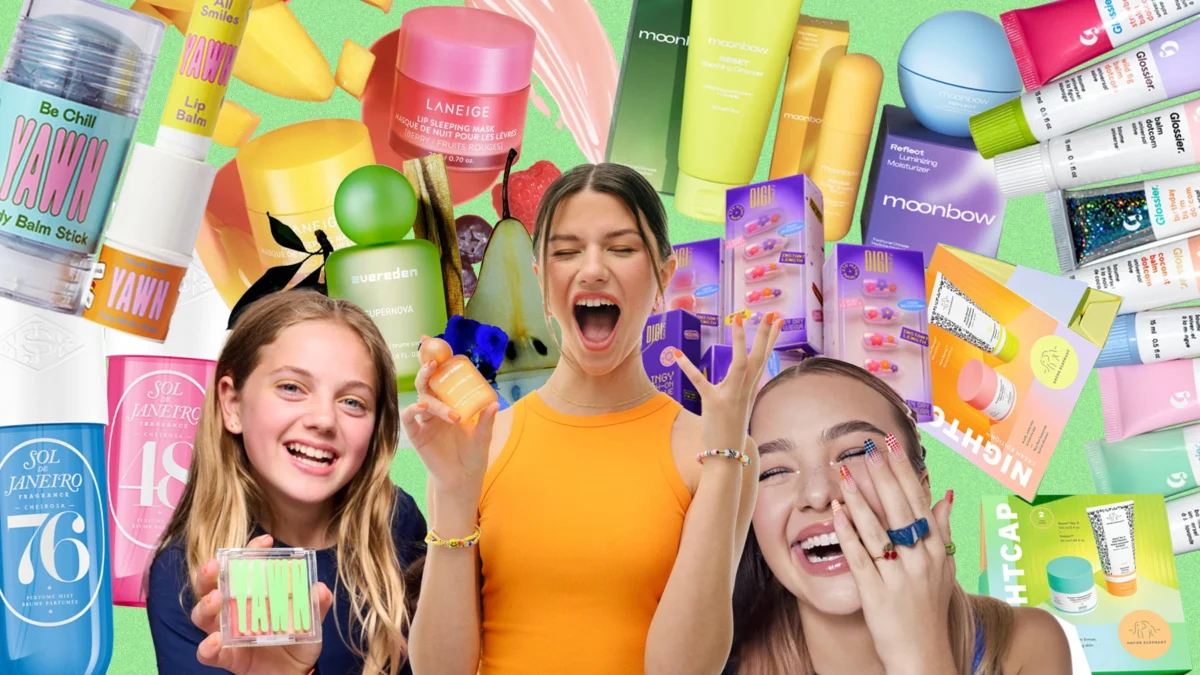
The burgeoning world of social media has ushered in a new era of marketing, where children, often referred to as "kidfluencers," are increasingly becoming powerful brand ambassadors. However, this trend has ignited a complex debate surrounding regulation, as these young personalities promote products to their rapidly growing audiences, operating in a legal grey area that leaves experts and regulators grappling for clear guidelines. The recent surge in child-led unboxing videos, product reviews, and sponsored content on platforms like TikTok and YouTube highlights the growing economic significance of this demographic, while simultaneously raising critical questions about child labor laws, advertising standards, and the ethical implications of commercializing childhood.
The Rise of the Kidfluencer Phenomenon
The phenomenon of child influencers is not entirely new, but its scale and sophistication have dramatically expanded in recent years. Driven by the viral nature of short-form video content and the perceived authenticity of young voices, brands are increasingly turning to children to tap into lucrative markets, particularly within the Gen Alpha and Gen Z demographics. These young influencers, often managed by their parents, showcase everything from toys and apparel to skincare and beauty products, creating aspirational content that resonates with their peers.
Data from industry reports indicates a significant investment by brands in influencer marketing, with a growing allocation towards micro-influencers and niche content creators, many of whom are children. For instance, studies have shown that influencer marketing campaigns can yield a return on investment of up to $5.20 for every $1 spent, a figure that appeals to businesses across various sectors. The visual and engaging nature of platforms like TikTok, where trends can emerge and spread globally within hours, provides an ideal environment for these young personalities to gain traction and build substantial followings. A 2023 report by Influencer Marketing Hub noted that the global influencer marketing market was projected to reach $21.1 billion in 2023, with a significant portion of this growth attributed to the expansion of influencer marketing beyond traditional adult demographics.
However, the very characteristics that make child influencers appealing to brands – their perceived innocence, relatability, and ability to connect with younger consumers – also present the most significant regulatory challenges. Unlike adult influencers who are expected to understand and adhere to advertising disclosure rules, the comprehension and consent of children in these commercial arrangements are often mediated by their parents or guardians, blurring the lines of responsibility and accountability.
A Shifting Landscape: From Playtime to Paid Promotions
The timeline of child influencer marketing can be traced back to the early days of YouTube, where children often appeared in family vlogs or toy review videos. However, the professionalization of this space has accelerated with the rise of platforms like TikTok, Instagram, and YouTube Shorts. What began as organic content creation by families has evolved into a sophisticated industry involving talent agencies, brand partnerships, and dedicated management teams.
The shift is evident in the types of content being produced. While early videos might have focused on unboxing a single toy, current content often features elaborate product demonstrations, "get ready with me" segments showcasing beauty products, or fashion hauls featuring multiple brands. The language used has also become more professionalized, with children adopting terms like "PR haul," "sponsored content," and "gifted items," often without a full understanding of their commercial implications.
For example, a typical scenario involves a young influencer, say between the ages of 10 and 15, enthusiastically unboxing a series of packages sent by various skincare brands. In a TikTok video, this child might exclaim their excitement over receiving new products, describing them as "gifts" and detailing their purported benefits. This portrayal, while seemingly innocent, often masks a commercial transaction where the child, or their guardian, receives payment or other forms of compensation for promoting these items. The lack of clear disclosure, or the disclosure being buried in hashtags or verbal mentions that young viewers might overlook, exacerbates the issue.
The Regulatory Vacuum and Emerging Concerns
The core of the legal debate surrounding child influencers lies in the absence of specific, comprehensive regulations tailored to this unique form of digital marketing. Existing advertising laws and guidelines, such as those set by the Federal Trade Commission (FTC) in the United States or the Advertising Standards Authority (ASA) in the UK, are primarily designed for adult creators and businesses. While these bodies have taken steps to address influencer marketing generally, the unique vulnerabilities of children as both creators and consumers present a distinct set of challenges.
One of the primary concerns is the potential for exploitation. Critics argue that children involved in extensive content creation and brand promotion may be engaging in forms of child labor, with their childhood effectively commodified. Questions arise about working hours, the pressure to consistently produce content, and the potential impact on their education and overall well-being. Unlike traditional child actors who are often protected by strict labor laws and set working hour limits, child influencers operate in a largely unregulated digital space.
Furthermore, the ethical implications of exposing young children to commercial messaging are profound. Experts in child psychology and media studies warn that children, particularly those under the age of eight, have a limited ability to distinguish between editorial content and advertising. This makes them highly susceptible to persuasive marketing techniques, potentially leading to unhealthy consumer habits, unrealistic expectations, and pressure to acquire certain products. The promotion of beauty products and complex skincare routines to very young audiences, for instance, has drawn significant criticism, with concerns about promoting premature aesthetic concerns and potentially harmful ingredients.
Navigating the Legal Labyrinth: A Patchwork of Guidelines
In the absence of dedicated legislation, regulatory bodies have been attempting to apply existing frameworks, leading to a patchwork of interpretations and enforcement actions. The FTC, for example, has emphasized the need for clear and conspicuous disclosures for all endorsements, including those made by child influencers. This means that any paid promotion, gifted product, or affiliate link must be clearly identified as such, ensuring that audiences, including children and their parents, are aware of the commercial nature of the content.
However, the practical application of these guidelines is challenging. What constitutes "clear and conspicuous" disclosure in the fast-paced, often ephemeral world of social media can be subjective. Furthermore, the responsibility for ensuring compliance often falls on the parents or guardians, who may not fully understand the legal requirements or may prioritize the financial benefits of their child’s online presence.
The concept of "deceptive advertising" also comes into play. If a child influencer makes unsubstantiated claims about a product’s efficacy, or if the promotional content is misleading, it can be deemed deceptive. However, proving intent or negligence in such cases can be difficult, especially when the primary actor is a minor.
Industry Reactions and Calls for Action
The growing concerns have prompted reactions from various stakeholders. Consumer advocacy groups have been vocal in calling for stricter regulations and greater accountability from both brands and social media platforms. They argue that a more proactive approach is needed to protect children from potential exploitation and undue commercial influence.
Brands that engage child influencers are also facing increased scrutiny. While many adhere to disclosure guidelines, some have been criticized for their marketing strategies. Industry associations are beginning to develop best practices and ethical guidelines for influencer marketing, but these are often voluntary and lack the force of law.
Social media platforms themselves are also under pressure to implement more robust measures to identify and flag sponsored content involving minors, and to ensure that child influencers are not subjected to exploitative working conditions. However, the sheer volume of content and the global nature of these platforms make effective monitoring a significant undertaking.
Broader Implications and the Future of Kidfluencing
The implications of the child influencer phenomenon extend beyond advertising regulations. It raises fundamental questions about childhood in the digital age, the role of parents in managing their children’s online presence, and the societal impact of early exposure to consumer culture.
As the digital landscape continues to evolve, so too will the challenges associated with regulating child influencers. The emergence of new platforms, evolving content formats, and the increasing sophistication of marketing techniques necessitate a dynamic and adaptable regulatory approach.
Several potential avenues for future regulation are being discussed:
- Age-Specific Disclosure Requirements: Tailoring disclosure requirements based on the age of the influencer and the target audience.
- Guardian Accountability Frameworks: Establishing clearer legal frameworks for parental responsibility in managing child influencer activities.
- Platform Liability: Exploring the extent to which social media platforms should be held accountable for the content promoted by child influencers on their sites.
- Child Labor Protections: Adapting existing child labor laws to encompass the unique working conditions of digital content creation.
- Educational Initiatives: Developing educational programs for parents, children, and brands on the ethical and legal aspects of child influencer marketing.
Ultimately, addressing the legal grey area of child influencers requires a multi-faceted approach involving legislative action, industry self-regulation, platform responsibility, and ongoing public discourse. The goal is to strike a balance that allows for creative expression and entrepreneurship while safeguarding the well-being and developmental needs of children in an increasingly commercialized digital world. The current landscape, characterized by a lack of clear guidelines and enforcement, leaves children vulnerable to exploitation and audiences susceptible to undisclosed commercial messaging, underscoring the urgent need for comprehensive reform.