Nila Kartika Wati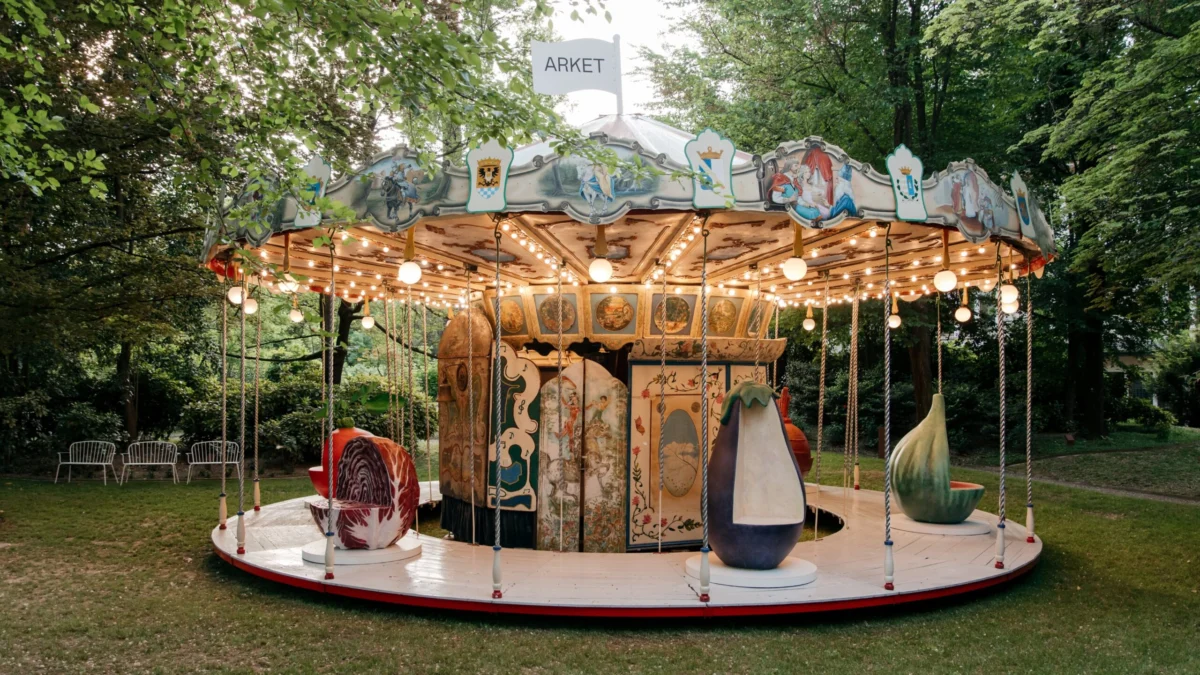
Milan, Italy – As the annual pilgrimage of design aficionados, industry leaders, and curious minds descended upon Milan for its Design Week, the city transformed into a vibrant, sprawling exhibition of innovation, artistry, and commercial ambition. Amidst the cacophony of launches, installations, and parties, discerning a truly impactful trend from fleeting novelty can be a challenge. This year, Martina Mondadori, a prominent voice in the design and cultural landscape, offered a curated lens through which to view the event’s most compelling moments, identifying key installations and designers that resonated with a sophisticated blend of artistic merit and commercial viability. Her observations highlight a sector grappling with evolving consumer desires, a renewed appreciation for craftsmanship, and the persistent influence of the luxury market.
The Pulse of Milan Design Week: A Curated Experience
Milan Design Week, a cornerstone event in the global design calendar, typically spans several days, usually in April, and encompasses the Salone del Mobile furniture fair alongside a vast network of satellite events and exhibitions across the city. In 2026, the event continued its trajectory as a crucial platform for both established and emerging designers, manufacturers, and brands to showcase their latest offerings, explore new materials, and engage with a global audience. The week serves not only as a marketplace but as a barometer for future design trends, influencing everything from interior design and product development to broader aesthetic sensibilities.
Martina Mondadori’s selective spotlight fell on a range of projects that demonstrated a sophisticated understanding of space, material, and narrative. Among the highlights was Dimorestudio’s innovative retail space, which offered a compelling example of how commercial environments can be transformed into immersive artistic experiences. The studio, known for its distinctive aesthetic that blends vintage and contemporary elements, presented a concept that blurred the lines between showroom and gallery, inviting visitors to engage with products in a thoughtfully curated setting. This approach speaks to a growing consumer demand for experiences rather than mere transactions, particularly within the luxury sector, where exclusivity and narrative are paramount.
Osanna Visconti’s Sculptural Statements
The presence of Osanna Visconti’s bronzes further underscored a significant trend: the resurgence of artisanal craftsmanship and the enduring appeal of tactile, sculptural forms. Visconti’s work, characterized by its raw materiality and evocative presence, brings a timeless quality to contemporary spaces. Her bronzes, often inspired by natural forms or ancient motifs, possess a gravitas that commands attention. In the context of Milan Design Week, where sleek, minimalist designs often dominate, Visconti’s pieces offered a welcome counterpoint, celebrating the inherent beauty of sculpted metal and the skill of the artisan. The inclusion of such works suggests a move towards more enduring, statement pieces that carry a narrative and a sense of history, aligning with a broader cultural shift towards conscious consumption and the appreciation of lasting value.
Laila Gohar’s Whimsical Collaboration with Arket
Perhaps one of the most talked-about installations was Laila Gohar’s whimsical “merry-go-round” for Arket, H&M’s lifestyle brand. Populated with oversized, meticulously crafted fruits and vegetables, the installation was a vibrant and unexpected spectacle. This collaboration highlights the increasing influence of art and design on accessible retail, demonstrating how brands are leveraging creative partnerships to generate buzz and create memorable consumer touchpoints. Gohar’s signature playful yet sophisticated aesthetic, often involving food as a medium, lent itself perfectly to an installation that was both visually arresting and conceptually intriguing. The use of oversized produce not only added a surreal and delightful element but also subtly referenced themes of abundance, nature, and perhaps even the origins of materials.
The success of this installation can be attributed to its ability to transcend the typical retail display. It offered an immersive experience that was shareable on social media, contributing to its widespread visibility and impact. For Arket, a brand that emphasizes thoughtful design and quality at an accessible price point, this partnership with Gohar allowed them to engage a broader audience with a visually captivating narrative that reinforced their brand values. The merry-go-round format itself evokes a sense of nostalgia and childlike wonder, creating an emotional connection with visitors.
Strategic Partnerships and Market Positioning
The presence of brands like Arket, a part of the H&M Group, at Milan Design Week alongside high-end luxury houses and independent design studios, indicates the event’s expanding reach and its importance as a cross-sectoral platform. This inclusivity allows for a diverse range of design expressions to be showcased and for different market segments to interact. The strategic placement of installations like Gohar’s merry-go-round within the broader Milan Design Week ecosystem demonstrates a sophisticated understanding of brand positioning and consumer engagement in the digital age.
The data emerging from Milan Design Week consistently points to a growing consumer appetite for products and experiences that offer more than just functional utility. A 2025 report by a leading market research firm indicated that 68% of consumers aged 25-45 are more likely to purchase from brands that demonstrate strong creative vision and a unique aesthetic. This aligns with Mondadori’s observation of installations that prioritize artistic expression and immersive storytelling. The success of projects that blend art, design, and commerce suggests a future where brand narratives are increasingly built through tangible, experiential touchpoints.
Emerging Trends and Future Implications
The curated selections by Mondadori offer a glimpse into several prevailing design currents. Firstly, the emphasis on artisanal craftsmanship and unique materials, exemplified by Visconti’s bronzes, signals a move away from mass-produced homogeneity towards objects with character and provenance. This trend is likely to be fueled by a growing awareness of sustainability and a desire for items that are built to last, challenging the fast-fashion model that has permeated various industries.
Secondly, the integration of art and design into retail environments, as seen with Dimorestudio, suggests that commercial spaces are evolving into destinations for cultural engagement. This not only enhances the customer experience but also provides brands with a more profound way to communicate their identity and values. The lines between retail, gallery, and entertainment are increasingly blurred, creating opportunities for innovative brand activations.
Thirdly, the success of collaborations like Laila Gohar’s for Arket underscores the power of creative partnerships in generating excitement and reaching new audiences. These alliances allow brands to tap into the unique artistic vision of designers, creating compelling narratives that resonate with consumers on an emotional level. This approach is particularly effective in capturing the attention of younger demographics who value authenticity and creative expression.
The implications of these trends are significant for the design industry and beyond. Brands that can successfully integrate artistic vision with commercial strategy, prioritize craftsmanship, and create immersive experiences are likely to thrive in the evolving consumer landscape. Milan Design Week, as a nexus of these developments, continues to be an indispensable platform for understanding and shaping the future of design. The insights gleaned from the event, as highlighted by keen observers like Martina Mondadori, provide a valuable roadmap for navigating the complexities of the contemporary market and fostering a deeper connection with consumers through thoughtful and innovative design. The continued evolution of Milan Design Week, embracing both the established masters and the experimental newcomers, ensures its role as a vital incubator for the creative ideas that will define our living spaces and consumption patterns for years to come.