Jono Maryono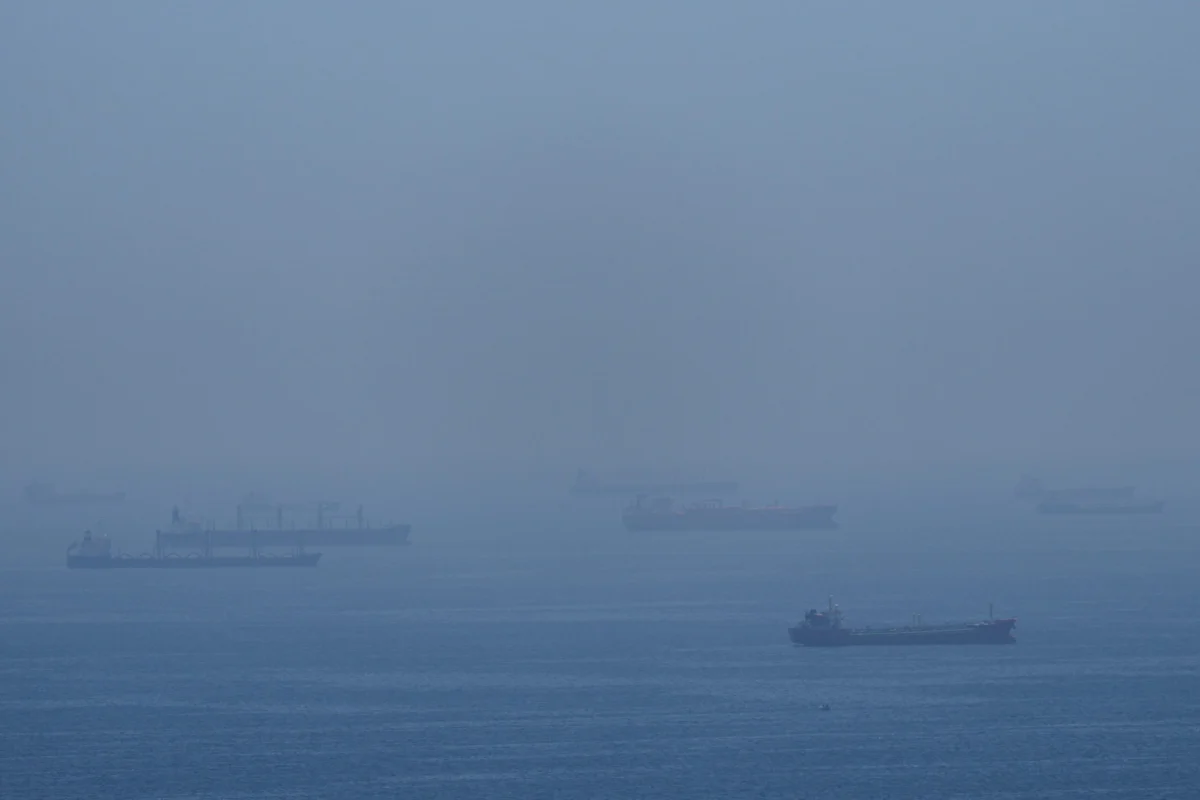
The Islamic Revolutionary Guard Corps (IRGC) has issued a stark warning, declaring that the vital Strait of Hormuz will be closed to international shipping until the United States ceases its alleged blockade of Iranian ports. This declaration, made on April 18, 2026, injects a significant new element of tension into an already volatile geopolitical landscape, with potentially far-reaching consequences for global energy markets and international trade. The IRGC’s statement positions the closure as a direct response to perceived American actions, framing it as a necessary measure to counter what Iran views as an economic siege.
Escalating Tensions and the Strategic Importance of the Strait of Hormuz
The Strait of Hormuz, a narrow waterway connecting the Persian Gulf to the open ocean, is one of the world’s most critical chokepoints for oil transit. An estimated 30% of the world’s seaborne crude oil passes through its waters daily. Any disruption to this flow carries immense implications for global energy prices, supply chains, and the economies of numerous nations reliant on these shipments. The IRGC’s threat to close the strait represents a significant escalation in a long-standing pattern of assertive rhetoric and actions by Iran, often employed as a lever in diplomatic and economic disputes.
The current dispute appears to stem from allegations by Tehran that Washington is actively impeding the access of Iranian vessels to international ports, thereby disrupting its oil exports and overall trade. While the U.S. has not officially confirmed or denied specific port blockades, its ongoing sanctions regime against Iran, designed to pressure the country over its nuclear program and regional activities, inherently limits Iran’s ability to engage in international commerce. Iranian officials have consistently argued that these sanctions constitute an illegal blockade, causing severe economic hardship to its population.
A Timeline of Escalation: From Sanctions to Strait Threats
The roots of the current standoff can be traced back to the re-imposition of stringent U.S. sanctions on Iran following the Trump administration’s withdrawal from the Joint Comprehensive Plan of Action (JCPOA) in 2018. These sanctions targeted key sectors of the Iranian economy, including its oil and petrochemical industries, and aimed to isolate Iran financially.
- May 2018: The United States withdraws from the JCPOA and begins re-imposing sanctions on Iran.
- Mid-2019: Tensions in the Persian Gulf escalate with a series of incidents involving shipping, including attacks on oil tankers and the seizure of vessels. Iran’s IRGC, at times, has engaged in actions such as seizing foreign-flagged tankers.
- Early 2020s: Diplomatic efforts to revive the JCPOA or negotiate a new agreement face significant hurdles. The economic pressure on Iran continues, with ongoing reports of difficulties in its oil exports and access to international financial systems.
- Early 2026: Reports and Iranian accusations of port blockades intensify, with Tehran alleging that certain nations, under U.S. influence, are refusing entry to Iranian-flagged vessels or are preventing the offloading of Iranian goods.
- April 18, 2026: The IRGC issues its explicit threat to close the Strait of Hormuz, directly linking the action to the alleged port blockades.
This timeline illustrates a gradual but consistent increase in tensions, with Iran increasingly employing the threat of disrupting maritime traffic in the Strait of Hormuz as a form of asymmetric leverage against Western powers, particularly the United States.
Supporting Data: The Economic Lifeline of the Strait
The economic significance of the Strait of Hormuz cannot be overstated. According to data from the U.S. Energy Information Administration (EIA) prior to the most recent escalations, approximately 17.2 million barrels of oil per day passed through the strait in 2023. This figure represents a substantial portion of global oil consumption.
- Daily Transit: Roughly 30% of global seaborne oil trade.
- Key Consumers: Major oil-importing nations in Asia, including China, India, Japan, and South Korea, are heavily reliant on shipments through the strait.
- Market Impact: A prolonged closure or significant disruption could lead to a sharp spike in crude oil prices, potentially exceeding $150 per barrel, with cascading effects on inflation, global economic growth, and transportation costs worldwide.
- Petroleum Products: Beyond crude oil, a significant volume of refined petroleum products, including gasoline and diesel fuel, also transit the strait, impacting regional and global energy security.
The potential economic fallout from such a closure is immense, affecting not only the immediate transit of oil but also the broader supply chains that depend on affordable energy.
Official Responses and International Reactions (Inferred)
While official statements from the U.S. government and other key international players were still emerging at the time of this report, several predictable reactions can be anticipated:
- United States: The U.S. is expected to strongly condemn the threat, reiterating its commitment to freedom of navigation and maritime security. U.S. naval forces are routinely present in the region, and any disruption to the strait would likely prompt a robust military response aimed at ensuring its continued openness. Statements would likely emphasize the illegality of such a move and its detrimental impact on the global economy.
- Regional Powers: Countries bordering the Persian Gulf, particularly those that are major oil producers and exporters, would express grave concern. Saudi Arabia, the UAE, and Qatar, all of whom rely on the strait for their own energy exports, would likely urge de-escalation and adherence to international maritime law.
- International Organizations: The United Nations Security Council would likely convene to discuss the situation. International maritime organizations would issue warnings and calls for restraint.
- Asian Importers: Nations heavily dependent on Hormuz oil, such as China and India, would likely engage in urgent diplomatic outreach to both Iran and the U.S. to de-escalate tensions and ensure the unimpeded flow of oil. They might also explore diversifying their energy sources, though such a shift is a long-term undertaking.
The IRGC’s statement, if translated into action, would represent a direct challenge to the international maritime order and a significant test of diplomatic and military resolve.
Broader Impact and Implications: Geopolitical Ramifications
The implications of the IRGC’s threat extend far beyond immediate economic concerns.
- Increased Regional Instability: The Strait of Hormuz has long been a flashpoint. A closure would dramatically heighten regional tensions, potentially drawing in other actors and increasing the risk of wider conflict.
- Diplomatic Deadlock: This action would further complicate any ongoing or future diplomatic efforts to resolve issues related to Iran’s nuclear program, regional proxy activities, and its relationship with the West.
- Global Economic Shockwaves: The price of oil would likely skyrocket, triggering inflation and potentially pushing the global economy into recession. This would disproportionately affect developing nations already struggling with economic instability.
- Naval Posturing: The threat would necessitate increased naval presence and surveillance in the region by multiple nations, raising the risk of miscalculation and unintended escalation.
- Humanitarian Concerns: Beyond the economic impact, disruptions to trade could also affect the availability of essential goods and humanitarian aid in the region.
The IRGC’s declaration is a high-stakes gambit that underscores the delicate balance of power and the potential for significant disruption in a strategically vital region. The coming days and weeks will be critical in determining whether this threat remains rhetorical or evolves into a concrete action with profound global consequences. The world watches with apprehension as this tense standoff unfolds.