Ferry Irwandi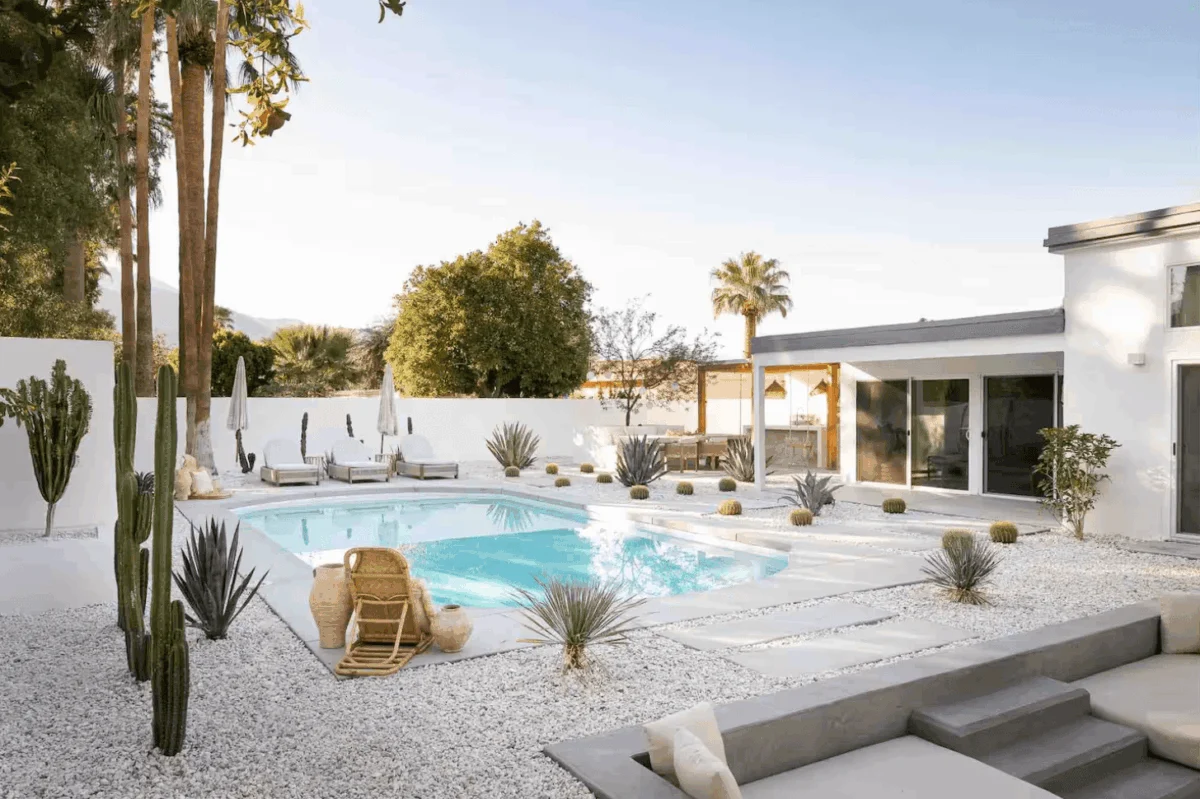
Palm Springs, California, has transitioned from a secluded desert retreat for mid-century Hollywood elites into a global epicenter for luxury group travel, particularly for the burgeoning bachelorette tourism market. Located in the Coachella Valley, the city is defined by its unique combination of mid-century modern architecture, a high density of boutique accommodations, and a geography that facilitates both wellness-oriented activities and high-end social experiences. As the travel industry recalibrates following global shifts in consumer behavior, Palm Springs has emerged as a primary beneficiary of the "slow travel" and "aesthetic-driven" movements. The city’s ability to balance its historic legacy as a bohemian haven with modern infrastructure has made it a case study in successful municipal branding and tourism management.
Historical Context and the Rise of the Desert Oasis
The trajectory of Palm Springs as a cultural landmark began in the early 20th century, largely driven by the "two-hour rule" imposed by major Hollywood studios. This contractual obligation required actors to remain within a two-hour radius of Los Angeles while under contract, leading to a surge of development in the desert. By the 1940s and 1950s, the city became a playground for icons such as Frank Sinatra, Elizabeth Taylor, and Elvis Presley. This era birthed the "Desert Modernism" architectural style, characterized by glass walls, indoor-outdoor living spaces, and flat roofs—elements that remain the city’s primary aesthetic draw today.
Following a period of relative quiet in the late 20th century, the city experienced a revitalization in the early 2000s. This resurgence was fueled by a renewed interest in mid-century design and the explosive growth of the Coachella Valley Music and Arts Festival in nearby Indio. The festival introduced a younger, affluent demographic to the region, many of whom returned to Palm Springs for private events, weddings, and group retreats. This shift transformed the local economy from a seasonal retirement community into a year-round destination for millennials and Gen Z travelers seeking "Instagrammable" environments and curated experiences.
Economic Impact and Market Segmentation
The bachelorette and group travel segment represents a significant portion of the $7 billion tourism industry in the Greater Palm Springs area. According to data from Visit Greater Palm Springs, the region sees over 14 million visitors annually. While traditional hotels remain a staple of the local economy, the short-term rental (STR) market has become the preferred choice for larger groups.
Market analysis indicates that the modern bachelorette party has evolved from a single-night event into a multi-day "destination experience." The average spending for these trips has increased significantly, with participants often investing in professional photography, private catering, and wellness services. Palm Springs is uniquely positioned to capture this market due to its high concentration of large, architecturally significant homes that offer amenities such as private pools, casitas, and outdoor kitchens. These properties allow groups to maintain privacy while enjoying the luxury of a resort-style setting.
In 2023, the City of Palm Springs reported that Transient Occupancy Tax (TOT) revenue, which includes taxes from both hotels and short-term rentals, continues to be a vital source of funding for municipal services. The STR sector specifically has provided the city with millions in annual revenue, though it has also prompted significant legislative debate regarding housing availability and neighborhood character.
Chronology of Development and Tourism Trends
The development of Palm Springs as a group travel hub can be mapped through several key phases:
- The Golden Age (1930s–1960s): Establishment of the city as a celebrity enclave and the birth of Desert Modernism.
- The Preservation Era (1980s–1990s): Local advocates began formal efforts to preserve the city’s architectural heritage, preventing the demolition of iconic structures and laying the groundwork for Modernism Week.
- The Festival Boom (1999–Present): The launch and subsequent global success of the Coachella Valley Music and Arts Festival created a recurring annual influx of high-spending tourists.
- The Digital Influence Era (2010–Present): The rise of social media platforms like Instagram and Pinterest turned Palm Springs’ colorful doors and desert landscapes into viral landmarks, specifically targeting the wedding and bachelorette demographics.
- The Post-Pandemic Shift (2020–Present): A move toward "pod travel" and private home rentals increased the demand for spacious Airbnbs over traditional hotel rooms.
Regulatory Landscape and Community Response
The influx of group tourism has not been without friction. The City of Palm Springs has implemented some of the most stringent short-term rental regulations in the United States to balance tourism revenue with the quality of life for permanent residents.
Key regulations include:
- Permit Caps: Limits on the number of STR permits allowed in certain neighborhoods.
- Noise Ordinances: A "no outdoor music" policy for rental properties, enforced by a dedicated city compliance team.
- Occupancy Limits: Strict rules on the number of guests allowed per bedroom to prevent "party houses" from disrupting residential areas.
Local officials state that these measures are necessary to ensure the sustainability of the tourism model. "Our goal is to remain a world-class destination while protecting the soul of our neighborhoods," a city spokesperson noted during a recent town hall on housing. While some property owners argue the restrictions limit economic potential, the city maintains that a controlled environment preserves the very tranquility that draws tourists to the area in the first place.
Diversification of the Visitor Experience
To maintain its competitive edge against other desert destinations like Scottsdale, Arizona, or Joshua Tree, Palm Springs has diversified its offerings. The city is no longer just a "pool party" destination; it has successfully integrated wellness, outdoor adventure, and fine arts into its brand.
Wellness and Natural Resources:
The region’s natural hot springs, particularly in the nearby Desert Hot Springs area, have seen a 25% increase in bookings over the last three years. Groups are increasingly incorporating "spa days" and sound baths into their itineraries. Furthermore, the Palm Springs Aerial Tramway and the Indian Canyons provide hiking opportunities that appeal to the "outdoorsy" bachelorette demographic.
Arts and Culture:
The Palm Springs Art Museum and the city’s numerous galleries in the Backstreet Art District offer a cultural depth that differentiates it from more commercialized party hubs. The city’s commitment to public art and preservation ensures that even as it modernizes, it retains its historical identity.
Analysis of Implications for the Local Economy
The specialization of Palm Springs as a bachelorette and group travel destination has several long-term implications. Economically, it has led to a boom in secondary service industries. Private chefs, mobile IV drip services, and event planners specializing in "desert chic" aesthetics have seen a surge in demand. This creates a localized "gig economy" that supports hundreds of residents.
However, from a real estate perspective, the demand for "bachelorette-ready" homes has contributed to a rise in property values. This has made it increasingly difficult for middle-income workers in the hospitality sector to live within the city limits, leading to longer commute times from the eastern end of the Coachella Valley.
Environmentally, the city faces the challenge of maintaining lush landscapes and swimming pools in a region prone to drought. The Coachella Valley Water District has implemented tiered pricing and conservation programs to mitigate the impact of high-usage tourism properties. The future of Palm Springs tourism will likely depend on its ability to adopt sustainable practices without compromising the luxury experience expected by visitors.
Future Outlook
As travel trends continue to lean toward personalized and experiential trips, Palm Springs is well-positioned to remain a top-tier destination. The city’s infrastructure is currently expanding to accommodate even larger groups, with several new boutique hotels and mixed-use developments in the pipeline.
The "bachelorette effect" has proven to be more than a passing trend; it is a stable pillar of the regional economy. By leveraging its history, enforcing smart regulations, and leaning into its unique aesthetic, Palm Springs serves as a blueprint for how a small city can command a global presence. For the groups of travelers who flock to its desert trails and mid-century estates, the city offers a rare intersection of nostalgia and contemporary luxury—a combination that ensures its status as a "desert oasis" remains undisputed in the competitive landscape of American tourism.