Danny Garick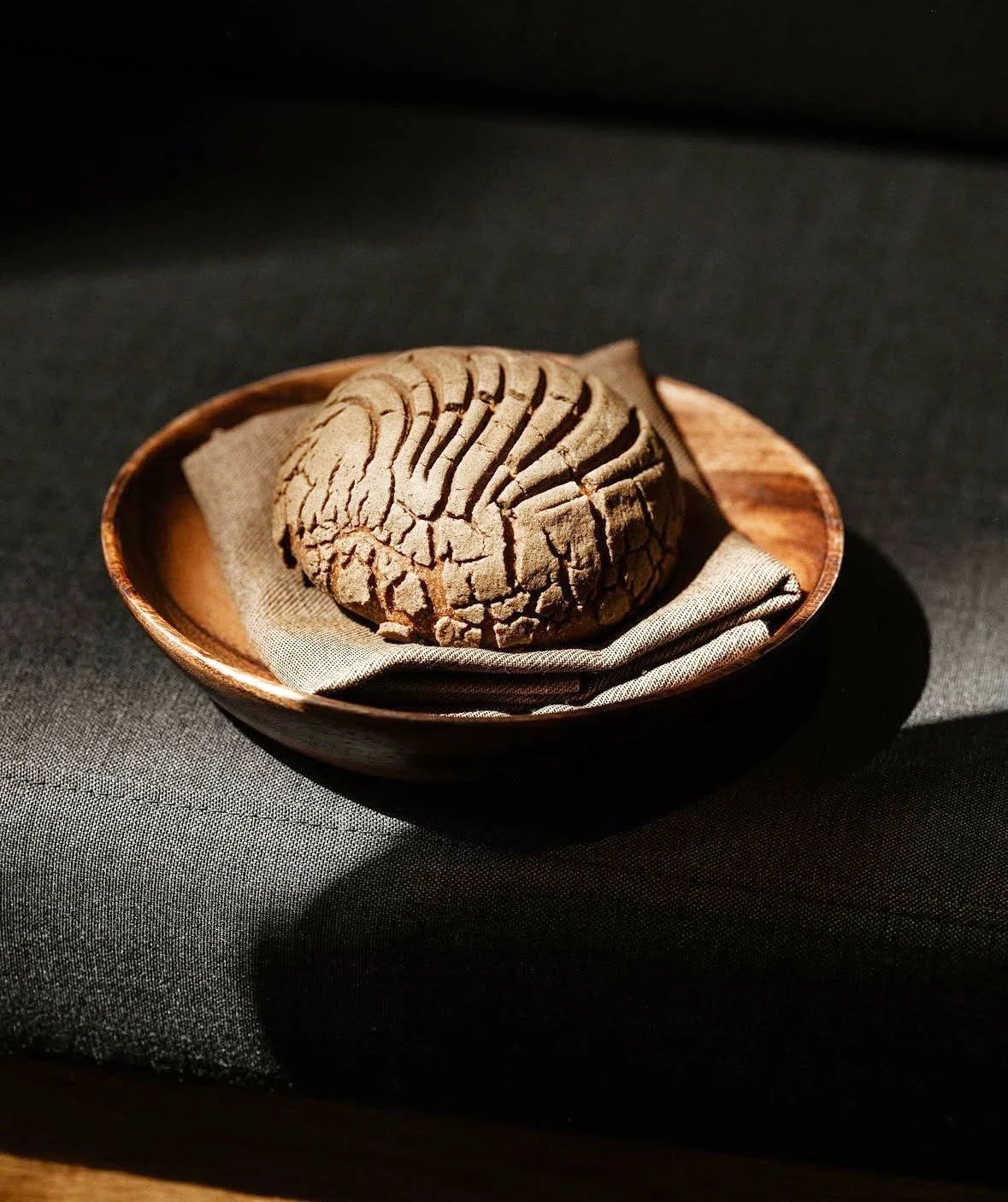
The concha, a quintessential Mexican sweet bread characterized by its distinctive seashell-patterned sugar topping, has transitioned from a neighborhood panaderia staple to a high-profile centerpiece of the modern American culinary landscape. Historically relegated to traditional immigrant enclaves, this soft, brioche-like bun is now being reimagined by a new generation of pastry chefs who are blending ancestral techniques with contemporary flavors and artisanal milling practices. This shift is not merely a trend in flavor profiles but represents a broader movement of cultural reclamation and culinary elevation that is reshaping the American bakery industry.
The Evolution of a Culinary Icon: From Colonial Origins to Modern Menus
The contemporary rise of the concha is supported by significant market data. According to food industry research group Datassential, the presence of conchas on American restaurant menus has increased by 68% over the last four years. This growth is driven largely by younger demographics; approximately 53% of Gen Z diners have expressed a definitive interest in trying the pastry, representing the highest level of engagement across all generational cohorts.
This surge in popularity marks a significant departure from the early 2010s. In 2017, when Mariela Camacho, the daughter of Mexican immigrant parents, began baking sourdough loaves for coffee shops in Seattle, the concha occupied a different social space. Camacho recalls that nine years ago, the pastry was not considered "cool" by the mainstream culinary establishment. Lacking a formal family recipe—her family cooked but did not bake—she was forced to teach herself the intricate balance of the dough’s crumb and the topping’s crunch. Today, Camacho operates Comadre Panadería in Austin, Texas, a bright pink storefront where she produces conchas in sophisticated flavors such as Earl Grey, hot chocolate with saffron and guajillo, and brown butter lavender.
Historical Chronology: The Concha’s Century-Long Journey
To understand the modern concha, one must examine its complex historical lineage, which spans several centuries and continents.
- The 16th Century: Wheat was first introduced to the Americas following the arrival of Spanish colonists. As indigenous populations and settlers began to cultivate wheat, the foundations for "pan dulce" (sweet bread) were laid, though these early versions were often dense and simple.
- The 19th Century: During the French Intervention in Mexico (1861–1867), French baking techniques, particularly the use of enriched doughs like brioche, began to influence Mexican bakers. This period introduced the lamination and fermentation styles that would eventually give the concha its light, airy texture.
- The Early 20th Century: The concha became a staple in Mexico City’s "cafés de chinos"—Chinese-owned diners that proliferated during the early 1900s. These establishments served as community hubs where the concha was traditionally paired with café con leche, cementing its status as a daily ritual for the Mexican working and middle classes.
- The Late 20th Century: The pastry traveled with the Mexican diaspora into the United States, becoming a mainstay of family-owned panaderias in cities like Los Angeles, Chicago, and San Antonio.
- The 21st Century Renaissance: Beginning around 2015, second-generation Mexican-American chefs began applying "fine dining" rigor to the pastry, leading to the current wave of contemporary conchas found in metropolitan hubs.
The "Croncha" and the Reframing of Mexican Pastry
A pivotal moment in the concha’s ascent into the mainstream occurred in February 2023 at La Rue Doughnuts, a French-inspired bakery in Dallas, Texas. Owner Amy La Rue, observing the cultural synergy within her largely Mexican kitchen staff, introduced the "croncha"—a hybrid pastry featuring the laminated layers of a croissant topped with the traditional sugary crust of a concha.

The product became a viral sensation, drawing lines that spanned city blocks and required security management similar to airport TSA queues. Beyond its commercial success, the croncha served a symbolic purpose: it placed Mexican baking traditions on equal footing with the highly venerated French pastry arts. By utilizing the technical complexity of the croissant to frame the concha, the bakery challenged the long-standing industry hierarchy that often viewed European techniques as superior to those of Latin America.
Even corporate entities have noted the trend. During the 2024 Super Bowl, Popeyes debuted a limited-edition concha chicken sandwich flavored with Tequila Don Julio. While such iterations are often viewed as marketing-driven, they underscore the concha’s transition from a niche ethnic food to a recognizable symbol in the American pop-culture lexicon.
Technical Innovation and Cultural Reclamation
For many contemporary bakers, the "new wave" of conchas is defined by a commitment to ingredient transparency and agricultural history. This is particularly evident at Atla’s Conchas, a micro-bakery in Randolph, Vermont, operated by Mauricio Lopez Martinez and Caroline Anders.
The couple utilizes a traditional Oaxacan recipe scented with anise and vanilla, but they have modernized the process through the use of "full inclusion" or unsifted house-milled flour. This method retains the bran, germ, and endosperm of the wheat berry, offering a more nutrient-dense and flavorful profile than standard white flour. Anders notes that this choice is both technical and political. Historically, white, highly sifted flour was introduced by European colonizers as a status symbol of wealth and purity. By using whole, heirloom grains, Atla’s Conchas aims to challenge the colonial narrative that white flour is the superior standard for baking.
Similarly, Mariela Camacho in Austin sources flours like Yecora Rojo and Sonora wheat, which are grown in the Sonora Desert stretching across northern Mexico. This focus on "cultural biodiversity" allows bakers to create a product that is not only a tribute to their heritage but also a reflection of the specific land and ecology of the region.
Regional Variations and the Global Expansion
The contemporary concha movement is not localized to a single city but is a nationwide phenomenon with growing international reach.

- New York City: At Vato in Brooklyn and Corima in Manhattan, pastry chef Erick Rocha incorporates global ingredients like yuzu curd and toasted totomoxtle (corn husk) chantilly cream. Rocha emphasizes that these creations are a way of "putting conchas on the map for the American public" by treating them as a versatile canvas for flavor.
- Los Angeles: Santa Canela, part of the Muy Salsa restaurant group, has found success by blending nostalgia with modern "hype" flavors like cookies and cream, speculoos, and orange blossom. The brand’s popularity has led to plans for two new California locations and a dedicated kiosk at Burbank Airport, signaling the scalable commercial viability of the artisanal concha.
- Barcelona: Fany Gerson, the renowned chef behind Brooklyn’s Fan-Fan Doughnuts, recently took the concha to Spain. During a pop-up in Barcelona, she served hibiscus-vanilla conchas and versions filled with fresh corn custard. Gerson attributes the pastry’s global rise to the increasing influence of Mexico City as a premier travel and culinary destination.
Implications for the Future of the Bakery Industry
The rise of the contemporary concha suggests several long-term implications for the food and beverage industry. First, it highlights the "premiumization" of ethnic staples. As consumers become more educated about global cuisines, they are willing to pay a premium for traditional items that use high-quality, ethically sourced ingredients.
Second, the concha’s success demonstrates the power of "nostalgia marketing" combined with modern aesthetics. The pastry’s vibrant, colorful appearance makes it highly "Instagrammable," a factor that cannot be overlooked in the modern dining economy. However, the chefs driving this movement are careful to ensure that the substance matches the style.
Pastry chef Ellen Ramos of Santa Canela argues that experimentation is essential for the survival of the tradition. "It’s okay to push boundaries," Ramos said. "The concha is a way to carry tradition through our own lens so it lives on."
As the concha continues to appear on more menus—from micro-bakeries in rural Vermont to high-end cafes in Manhattan—it serves as a testament to the evolving American palate. It is no longer just a sweet bun; it is a vehicle for storytelling, a tool for decolonization, and a vibrant symbol of the enduring influence of Mexican culture on the global stage. The data suggests this is not a passing fad but a permanent expansion of the culinary canon, ensuring that the concha will remain a staple of the American breakfast for generations to come.