Danny Garick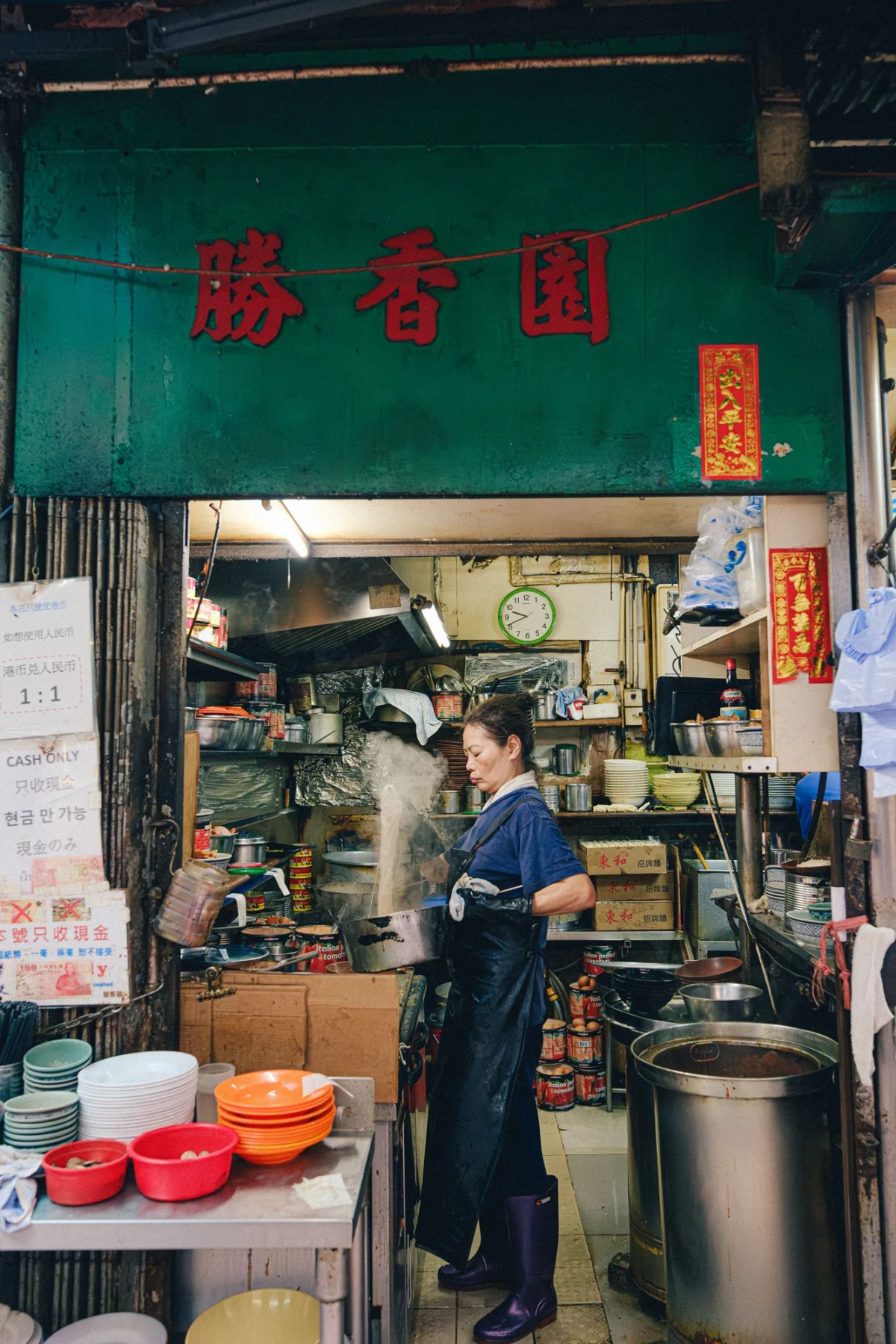
In the dense urban landscape of Hong Kong, the cha chaan teng, or "tea restaurant," stands as a definitive pillar of the city’s social and culinary identity. Establishments like the Australia Dairy Company in Jordan continue to draw massive crowds, with queues extending down city blocks even during inclement weather. These restaurants, characterized by a unique blend of efficiency, "controlled chaos," and a hybrid menu of Cantonese and Western influences, serve as the functional heart of Hong Kong’s dining sector. While the city’s skyline and political landscape have undergone significant transformations, the cha chaan teng remains a steadfast cultural force, now evolving beyond the borders of the Special Administrative Region to find new life in global metropolises such as Paris, Sydney, and New York.
The Operational Mechanics of the Cha Chaan Teng
The primary appeal of the cha chaan teng lies in its unparalleled efficiency. In a city where real estate is among the most expensive in the world and the pace of life is notoriously fast, these restaurants have perfected a high-turnover business model. Local restaurateur Caleb Ng observes that speed is the defining metric of the experience. Diners typically expect to be seated, served, and finished within a window of 15 to 20 minutes. This "bodega-speed" service is facilitated by a highly disciplined staff who manage crowded floor spaces, scratch orders onto paper pads with shorthand precision, and deliver scalding hot dishes within minutes of ordering.
The physical environment of these diners often features white laminate tables, half-booths, and stools designed to maximize seating capacity. The atmosphere is one of functional urgency; patrons often share tables with strangers, and the clatter of heavy ceramic cups against saucers provides a constant percussive backdrop. Despite the lack of formal decorum, the system functions with a logistical rigor that ensures thousands of residents are fed daily at affordable price points.

Historical Chronology: From Post-War Necessity to Cultural Icon
The origins of the cha chaan teng are rooted in the socio-economic shifts of post-World War II Hong Kong. To understand their current status, one must look at the evolution of dining habits during the British colonial era.
The 1940s and 1950s: The Emergence of Bing Sutts
Following the war, Western-style cuisine was largely reserved for the colonial elite and wealthy residents in high-end hotels. For the average working-class Hong Konger, these venues were financially inaccessible. In response, "bing sutts" (literally "ice rooms") began to appear. These were modest establishments equipped with refrigeration—a luxury at the time—serving cold drinks like iced lemon tea and coffee, alongside light snacks such as sandwiches and buttered buns. Because they lacked full kitchen licenses, their menus were limited to items that did not require heavy cooking.
The 1960s and 1970s: The Convergence of Styles
As Hong Kong’s economy industrialized and the population surged, the demand for more substantial, affordable meals grew. The government began issuing more comprehensive catering licenses, allowing bing sutts to expand their culinary offerings. This period saw the convergence of three distinct dining styles: the bing sutt, the "dai pai dong" (open-air food stalls), and the high-end Western restaurant. By incorporating French-style roux into baked rice dishes and British tea traditions into local beverages, the cha chaan teng was born.
1997 and the Search for Identity
According to Samuel Dic Sum Lai, a researcher at the University of London specializing in Hong Kong’s culinary history, the cultural significance of the cha chaan teng was not fully articulated until the late 1990s. Prior to the 1997 handover, these restaurants were viewed merely as convenient eateries. However, as the city began to grapple with its post-colonial identity, the cha chaan teng was "rediscovered" as a symbol of Hong Kong’s unique "East-meets-West" heritage and the resilience of its people.

The Culinary Canon: A Study in Hybridity
The menu of a cha chaan teng is a testament to culinary adaptation. It features a standardized "canon" of dishes that utilize available ingredients to mimic Western flavors while catering to Cantonese palates.
- Beverages: The cornerstone is Hong Kong-style milk tea, made from a blend of several black teas and filtered through a sackcloth (often referred to as "silk stocking tea") before being mixed with evaporated milk. Other staples include "Yuenyeung" (a mixture of coffee and milk tea) and malted drinks like Horlicks and Ovaltine, remnants of British influence.
- Baked Goods: The "pineapple bun" (bo lo bao) is a misnomer; it contains no pineapple but is topped with a sugary, crunchy crust that resembles the fruit. Other items include egg tarts with flaky or shortcrust pastry and "pork floss buns."
- Savory Fusion: Macaroni in ham soup is a breakfast staple, utilizing dried pasta that became popular during the post-war era due to its long shelf life. Baked pork chop rice, often topped with a thick tomato-based sauce and melted cheese, represents a local interpretation of European casseroles.
Economic Data and Industry Resilience
The cha chaan teng sector remains a vital component of Hong Kong’s internal economy. Data from the Census and Statistics Department of Hong Kong suggests that the "fast food" and "cafe" categories, which include cha chaan tengs, consistently account for a significant portion of the city’s multi-billion dollar catering industry receipts.
During the COVID-19 pandemic, while fine-dining establishments struggled with social distancing mandates and the loss of tourism, cha chaan tengs demonstrated remarkable resilience. Their existing infrastructure for rapid takeout and their status as an "essential" daily service allowed them to pivot more effectively than other restaurant formats. However, the industry has faced headwinds from rising labor costs and the closure of historic venues due to urban redevelopment. Industry experts note that while some legendary shops have shuttered, the total number of establishments remains high as new chains and modernized versions enter the market.
Global Proliferation: The Diaspora Effect
In recent years, the cha chaan teng has moved beyond its geographic origins. This expansion is driven by both a global interest in authentic regional cuisines and the migration of Hong Kong residents to Western countries.

- Paris: Modern diners like Bing Sutt Paris have introduced the French capital to crackly topped pineapple buns and Ovaltine-flavored desserts, blending traditional recipes with contemporary aesthetic sensibilities.
- Sydney: Establishments such as 8:52 Hong Kong Restaurant offer classic Hong Kong-style French toast—thick-cut bread fried and filled with peanut butter—while also experimenting with fusion items like fried chicken pineapple burgers.
- New York: Renowned chef Lucas Sin, author of the upcoming book Cha Chaan Teng, is set to open a dedicated venue in New York City. Sin argues that the essence of this cuisine is its ability to evolve. "Change is in its DNA," Sin notes, suggesting that the international versions are not just copies, but the next logical step in the genre’s evolution.
Analysis of Implications: The Future of the "Tea Restaurant"
The survival and expansion of the cha chaan teng reflect a broader trend in global gastronomy where "low-brow" or "everyday" cultural markers are being elevated and preserved. For Hong Kong, these restaurants serve as a form of "gastro-diplomacy." As the city’s political and social structures change, the cha chaan teng provides a tangible connection to a specific era of Hong Kong’s development.
The transition of the cha chaan teng into a global brand also signifies a shift in how fusion food is perceived. Once dismissed as "cheap" or "inauthentic" by culinary purists, the sophisticated blending of ingredients seen in these diners is now celebrated for its ingenuity. The use of canned soups, evaporated milk, and instant noodles—initially born of necessity—has become a cherished aesthetic choice for a new generation of chefs.
Conclusion
The Hong Kong cha chaan teng is far more than a place to consume a quick meal; it is a living archive of the city’s history and a masterclass in operational efficiency. From its humble beginnings as a post-war "ice room" to its current status as a global culinary export, the genre has proven its ability to adapt to changing economic and social climates. As Lucas Sin and other culinary leaders suggest, the "vanishing" of old storefronts in Hong Kong does not signal the end of the culture, but rather its transformation. Whether in a crowded alley in Central or a trendy street in Paris, the spirit of the cha chaan teng—defined by its speed, its hybridity, and its unpretentious resilience—continues to thrive.