Johny Marice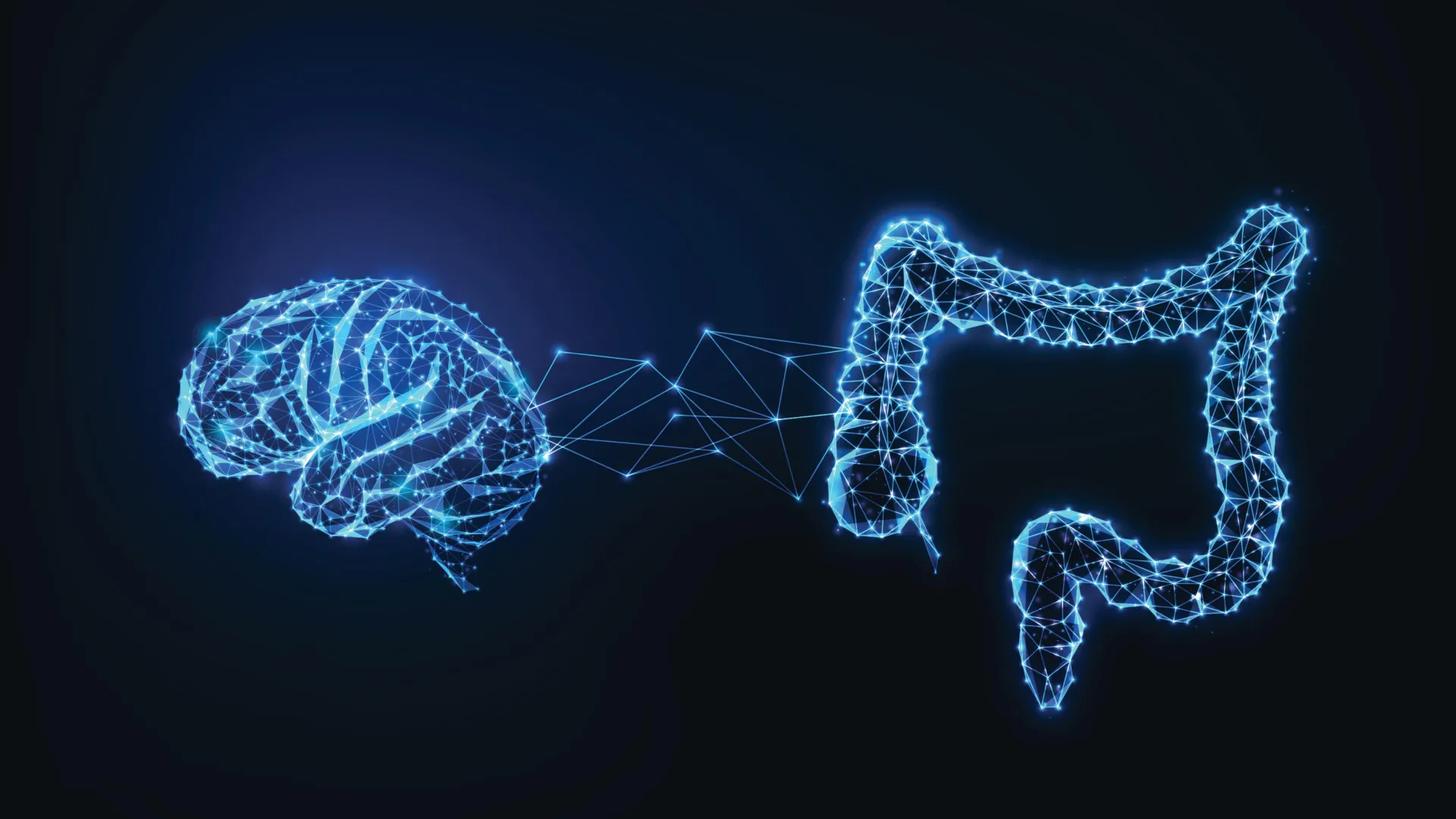
Researchers at Case Western Reserve University have unveiled a groundbreaking discovery that could fundamentally alter the medical approach to Amyotrophic Lateral Sclerosis (ALS) and Frontotemporal Dementia (FTD), two notoriously debilitating brain disorders. Their extensive investigation points to an unexpected, yet critical, factor in the progression of these diseases: the intricate ecosystem of microbes residing within the human gut. This pivotal finding suggests that the composition and activity of gut bacteria may directly influence the onset and severity of neurodegeneration, offering novel avenues for diagnosis and therapeutic intervention.
Unraveling the Gut-Brain Axis in Neurodegeneration
The cornerstone of this research, published in the prestigious journal Cell Reports, lies in the identification of a direct correlation between specific bacterial sugars and the immune-mediated destruction of brain cells characteristic of ALS and FTD. The study meticulously details how certain glycans, complex sugars produced by particular gut microbes, can act as potent triggers for inflammatory responses. These immune overreactions, when directed at the central nervous system, appear to directly contribute to the neuronal damage that defines these devastating conditions. Crucially, the research team not only elucidated this destructive pathway but also identified potential strategies to interrupt it, igniting hope for new treatment paradigms.
Understanding the Impact of ALS and FTD
Amyotrophic Lateral Sclerosis (ALS), often referred to as Lou Gehrig’s disease, is a progressive neurodegenerative disorder that affects nerve cells in the brain and spinal cord. This degeneration leads to muscle weakness, paralysis, and eventually, respiratory failure. The disease typically progresses rapidly, with most individuals diagnosed with ALS living only two to five years after symptom onset. Frontotemporal Dementia (FTD), on the other hand, is a group of disorders characterized by the progressive loss of neurons in the brain’s frontal and temporal lobes. These regions are critical for personality, behavior, language, and executive functions. Consequently, FTD can manifest as profound changes in personality, impaired judgment, difficulty with speech, and a loss of empathy, significantly impacting a patient’s social interactions and cognitive abilities.
The precise etiology of both ALS and FTD has remained an enduring enigma for the scientific community. While genetic predispositions have been identified in a subset of cases, a significant portion of individuals develop these conditions without a clear inherited risk. This diagnostic void has spurred extensive research into a multitude of potential contributing factors, including environmental exposures, head trauma, and dietary influences. The Case Western Reserve University study now adds a compelling new dimension to this ongoing investigation by highlighting the gut microbiome as a significant, and potentially modifiable, player.
A Molecular Bridge: Linking Gut Activity to Brain Pathology
The research undertaken by the Case Western Reserve team addresses a fundamental question that has long perplexed scientists: why do some individuals, particularly those with known genetic predispositions, develop ALS or FTD, while others with the same genetic vulnerabilities remain unaffected? Their work elucidates a specific molecular pathway that directly connects the physiological activity within the digestive system to the pathological changes observed in the brain. This connection is especially pronounced in individuals carrying certain genetic mutations associated with increased risk for these neurodegenerative diseases.
"We discovered that specific pathogenic gut bacteria generate inflammatory forms of glycogen, a type of sugar, and that these bacterial glycans are capable of initiating immune responses that ultimately lead to the destruction of brain cells," explained Aaron Burberry, assistant professor in the Department of Pathology at the Case Western Reserve School of Medicine and a lead author on the study. This statement underscores the direct causal link proposed by the research, moving beyond correlational findings to suggest a mechanistic understanding of disease initiation.
The study’s findings are supported by compelling data. Among the cohort of 23 patients diagnosed with ALS or FTD who participated in the research, a significant 70% exhibited elevated levels of this detrimental bacterial glycogen. In stark contrast, only approximately one-third of the control group, individuals free from these neurodegenerative conditions, displayed similar elevated levels. This marked difference in glycogen prevalence provides a robust statistical foundation for the researchers’ conclusions, suggesting that high levels of this bacterial sugar may serve as a critical indicator of disease risk.
Promising New Frontiers for Treatment and Diagnostics
The implications of these findings for clinical practice are profound and far-reaching. By pinpointing harmful gut sugars as a key driver of disease progression, the researchers have identified novel therapeutic targets that were previously unrecognized. The study also points towards the potential development of new biomarkers. These biomarkers, derived from the gut microbiome, could enable clinicians to identify individuals at higher risk for developing ALS or FTD, or those who might most benefit from targeted interventions focusing on the gut-brain axis.
The discovery opens up exciting possibilities for the development of innovative treatments. Strategies aimed at breaking down these disease-promoting sugars within the digestive system could offer a direct means of mitigating their harmful effects on the brain. Furthermore, the research provides a strong rationale for the development of pharmacological agents designed to modulate the complex communication network between the gut and the brain. Such interventions could potentially slow, or even prevent, the progression of these devastating neurodegenerative conditions.
Alex Rodriguez-Palacios, assistant professor in the Digestive Health Research Institute at the School of Medicine and another key researcher involved in the study, shared the team’s success in experimentally reducing these harmful sugars. "In our laboratory experiments, we were able to effectively reduce the levels of these harmful bacterial glycans. This intervention not only improved brain health markers but also led to a significant extension of lifespan in our models," he stated. This experimental validation in preclinical models offers a powerful testament to the therapeutic potential of targeting this newly identified gut-brain mechanism.
Genetic Predisposition and Environmental Triggers: The C9orf72 Connection
The significance of this research is particularly pronounced for individuals carrying the C9orf72 gene mutation, which is recognized as the most prevalent genetic cause of both ALS and FTD. It is a well-established fact that not all individuals who inherit this mutation will inevitably develop the disease. This variability in disease penetrance has long been a source of scientific inquiry. The Case Western Reserve study offers a compelling explanation for this phenomenon, suggesting that the gut microbiome acts as a crucial environmental trigger that can influence whether the disease manifests in genetically susceptible individuals. In essence, the presence of the C9orf72 mutation may create a vulnerability, but it is the specific composition and activity of the gut bacteria, particularly the production of inflammatory glycans, that may tip the scales towards disease onset.
Innovative Methodologies Fueling Breakthrough Discoveries
The groundbreaking nature of this research was made possible by the utilization of cutting-edge laboratory methodologies and specialized facilities at Case Western Reserve University. The Department of Pathology and the Digestive Health Research Institute were instrumental in providing the infrastructure for this complex investigation. A pivotal aspect of their approach involved the use of germ-free mouse models. These unique animal models are raised in entirely sterile environments, devoid of any microbial life. This meticulous control allows researchers to precisely isolate and study the effects of specific microbes or microbial products on disease processes, eliminating confounding factors.
The research program is spearheaded by Fabio Cominelli, Distinguished University Professor and director of the Digestive Health Research Institute. A critical component of their success lies in an innovative "cage-in-cage" sterile housing system, a rare and advanced capability developed by Dr. Rodriguez-Palacios. This sophisticated system enables large-scale studies of the microbiome, facilitating in-depth investigations into the intricate communication pathways between the gut and the brain. Traditional research methods often constrain scientists to studying only a limited number of animals at a time, significantly hindering the scope and depth of microbiome research. The "cage-in-cage" system, however, overcomes these limitations, paving the way for more comprehensive and impactful studies.
Future Directions: Clinical Trials on the Horizon
Looking ahead, the research team is poised to embark on the next critical phase of their investigation. "Our immediate goal is to understand the precise timing and conditions under which harmful microbial glycogen is produced," stated Dr. Burberry. "To achieve this, we will be conducting larger-scale studies to survey the gut microbiome communities of ALS/FTD patients both before and after the onset of their disease." This longitudinal approach is crucial for establishing clearer temporal relationships between microbial changes and disease progression.
Furthermore, the findings from this foundational research strongly support the initiation of clinical trials. These trials will aim to determine the efficacy of glycogen degradation therapies in slowing disease progression in human patients diagnosed with ALS and FTD. "Based on our current results, we are optimistic that such clinical trials could commence within the next year," Dr. Burberry added, signaling a tangible pathway towards translating these scientific discoveries into life-changing treatments for patients.
Broader Implications for Neurodegenerative Disease Research
The implications of this discovery extend beyond ALS and FTD. The identification of a direct gut-brain mechanism involving microbial products and immune activation could offer new insights into the pathogenesis of other neurodegenerative disorders, such as Alzheimer’s disease and Parkinson’s disease, which also exhibit inflammatory components. The gut microbiome is increasingly recognized as a central regulator of human health, influencing everything from nutrient absorption and immune function to mood and cognitive processes. This study further solidifies its role as a critical factor in neurological health and disease.
The ability to manipulate the gut microbiome through dietary interventions, probiotics, prebiotics, or targeted pharmaceuticals presents a paradigm shift in how neurodegenerative diseases might be managed. This research underscores the importance of a holistic approach to brain health, one that acknowledges the profound interconnectedness of the body’s systems. As scientific understanding of the gut-brain axis continues to deepen, it is plausible that future therapeutic strategies for a wide range of neurological conditions will increasingly focus on modulating the gut environment. The work at Case Western Reserve University stands as a significant milestone in this burgeoning field, offering a beacon of hope for millions affected by devastating brain disorders.