Danny Garick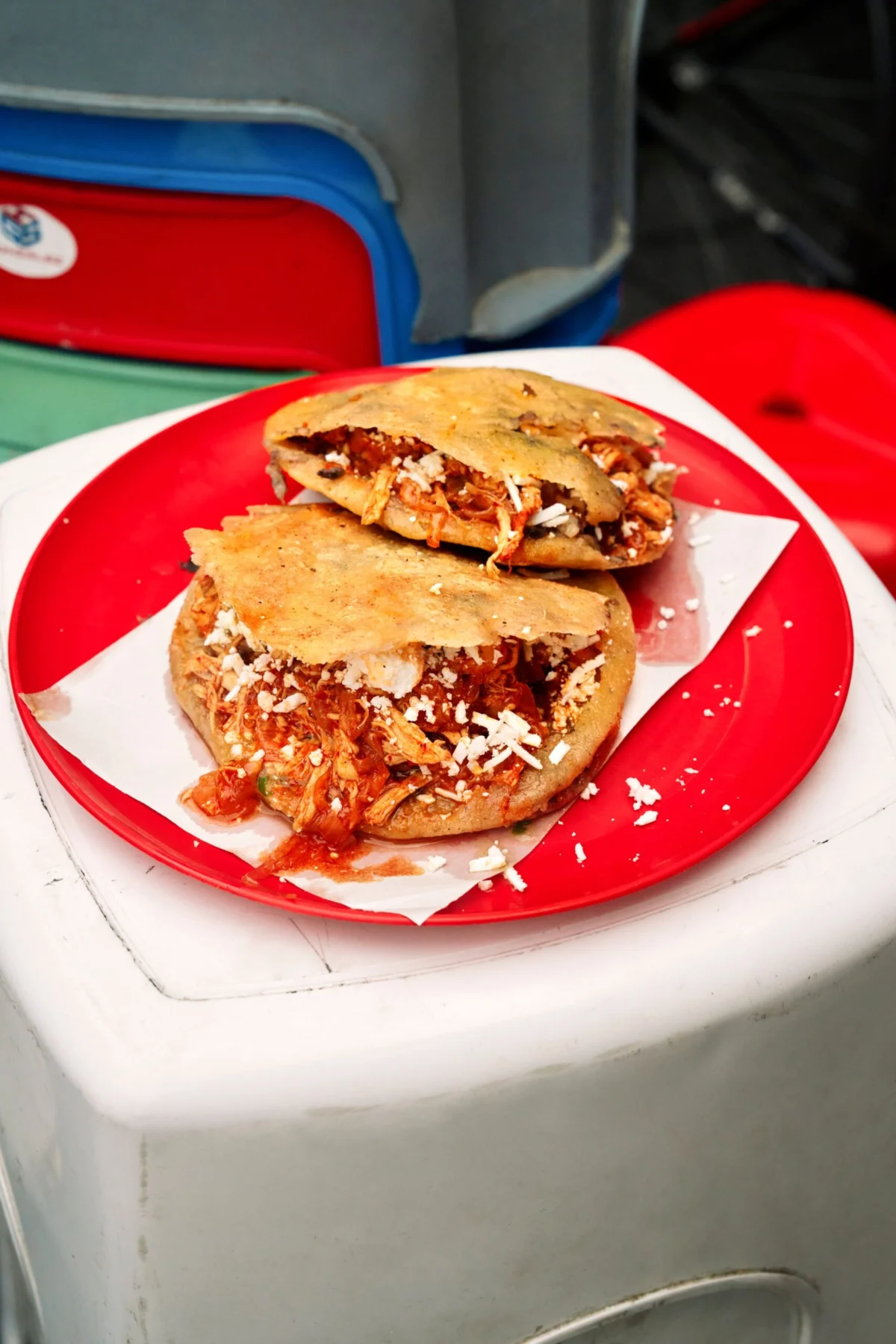
Mexico City’s culinary identity is anchored by the pervasive aroma of nixtamalized corn, a scent that serves as a sensory map for both residents and visitors navigating the capital’s sprawling boulevards. Among the diverse category of street foods known as antojitos—literally "little cravings"—the gordita occupies a position of unique prestige. Unlike the flat tortilla or the folded quesadilla, the gordita, which translates to "little fatty," is a thick, leavened pocket of masa designed to be stuffed with a variety of savory fillings. This dish represents a centuries-old convergence of Indigenous agricultural practices and European culinary introductions, evolving from a pre-Hispanic staple into a versatile canvas for modern gastronomic innovation.

Historical Chronology: From the Codex Borgia to the 16th Century
The lineage of the gordita is documented in some of the most significant historical records of Mesoamerica. The Codex Borgia, a pre-Columbian manuscript from central Mexico, provides evidence of a society where masa-based dishes were central to daily life and ritual. Early iterations of the gordita were round, stuffed patties made from ground maize, often filled with beans, squash seeds, or local flora. These ancient progenitors were primarily vegetarian, reflecting the diet of the Indigenous populations before the arrival of European livestock.

The definitive transformation of the gordita occurred in the early 16th century following the Spanish Conquest. The introduction of pigs by Spanish settlers fundamentally altered the flavor profile and texture of the dish. The integration of lard into the cooking process and the development of chicharrón prensado—bits of fried pork skin and meat pressed into a flavorful concentrate—became the hallmark of the Mexico City-style gordita. This fusion of Indigenous corn and Spanish pork created the "flavor bomb" that characterizes the contemporary street food experience, marking a pivotal moment in Mexico’s mestizo culinary history.

The Science of Masa and the Modern Renaissance
At the core of every gordita is masa, the dough produced through the ancient process of nixtamalization, where dried corn is soaked and cooked in an alkaline solution, usually limewater. This process not only improves the nutritional value of the corn but also gives the dough its characteristic elasticity and earthy flavor. In recent years, Mexico City has witnessed a "Masa Renaissance," where chefs and vendors are increasingly prioritizing the sourcing of heirloom corn varieties.

According to data from the Mexican Ministry of Agriculture, there are over 60 distinct landraces of maize in Mexico, many of which are being revitalized by modern taquerías. Establishments such as Siembra Taquería in the Polanco neighborhood exemplify this trend. Founded by chefs Karina Mejía and Israel Montero in 2019, Siembra began as a small corn mill (tortillería) focused on working directly with farmers in Tlaxcala. By using single-origin heirloom corn, they have elevated the gordita from a casual snack to a refined dish that highlights the biodiversity of Mexican agriculture. This shift reflects a broader consumer demand for transparency in food sourcing and the preservation of Indigenous seeds.

Socio-Economic Impact of the Street Food Sector
The gordita is a cornerstone of Mexico City’s informal food economy, which provides livelihoods for thousands of families. Data from the National Institute of Statistics and Geography (INEGI) indicates that the food and beverage sector remains one of the largest employers in the capital. Street stands, such as those found outside the Sevilla metro station or the Mercado Medellín, operate as vital micro-businesses.

Arturo Hurtado, the owner of Gorditas El Wero, has operated his stand since 1996. His business model reflects the hyper-local nature of Mexico City’s food culture, where a single stand can become a neighborhood landmark. Hurtado’s claim to being the original vendor in the Sevilla corridor underscores the competitive nature of the street food market. These vendors often serve as the primary source of affordable nutrition for the city’s commuting workforce, bridging the gap between social classes as everyone from office executives to construction workers gathers around the same comal (griddle).

Diverse Interpretations: A Survey of Eight Iconic Locations
The contemporary gordita landscape in Mexico City ranges from traditional market stands to industrial gastropubs, each offering a unique perspective on the dish’s potential.

1. Traditional Mastery: Mercado Medellín
Outside the Medellín Market in Roma Sur, the Peña Miramón family practices a quiet mastery of blue corn masa. Their gorditas represent the classic preparation: blue corn dough mixed with pork cracklings, cooked on a charcoal-fired comal. The use of charcoal provides a distinct smokiness that gas-fired griddles cannot replicate.

2. Industrial Innovation: Voraz
Located in a repurposed mechanic’s shop in Roma Sur, Voraz represents the avant-garde movement. Chef Emiliano Padilla has replaced traditional corn masa with a flour-based dough—a nod to Northern Mexican traditions—filling it with fried oysters and fennel. This iteration highlights the gordita’s ability to absorb global culinary influences while maintaining its structural integrity.

3. The High-Volume Hub: Gorditas El Wero
Situated near the Sevilla metro, El Wero specializes in a smaller, crisper version of the gordita. Their "ahogada-style" preparation, where the pocket is soaked in guajillo chile sauce, demonstrates the regional variations in serving styles that exist even within the city limits.

4. Coastal Fusion: Campobaja
Campobaja has gained recognition for integrating premium seafood into traditional antojito formats. Their heirloom corn gorditas are lined with seared quesillo (string cheese) and stuffed with octopus cooked in a stew of tomato and chicharrón prensado. This combination of land and sea flavors illustrates the increasing sophistication of Mexico City’s seafood gastronomy.

5. Community and Scale: Mixcoac
The gordita stand at the Mixcoac Market is defined by its communal atmosphere. The "gordibuena"—a calorie-dense variant stuffed with chicharrón, cream cheese, and a fried egg—caters to the demand for hearty, substantial meals. The long queues and shared tables at this location serve as a testament to the dish’s role in fostering social cohesion.

6. Minimalist Precision: Comal Oculto
In San Miguel Chapultepec, Comal Oculto focuses on a minimalist aesthetic and high-quality ingredients. Their use of slow-cooked pork shank (chamorro) and house-made salsa macha reflects a trend toward artisanal preparation methods in a casual setting.

7. Agricultural Advocacy: Siembra Taquería
As previously noted, Siembra Taquería serves as a bridge between rural farmers and urban diners. Their focus on nixtamalization as a culinary art form ensures that the corn remains the protagonist of the dish, rather than merely a vessel for the filling.

8. The Market Giant: Gordibuenas at Lagunilla
The Sunday market at Lagunilla is home to Gordibuenas, which specializes in the Michoacán style of gordita. These are notably thicker and deep-fried, resulting in a textural contrast between a crunchy exterior and a soft, steaming interior. This style emphasizes the regional diversity that migrants from other Mexican states have brought to the capital.

Broader Implications and Gastronomic Trends
The evolution of the gordita mirrors the broader trends in the global food industry, where traditional "peasant foods" are being re-evaluated through the lenses of sustainability, heritage, and culinary technique. The transition of the gordita from the street corner to the fine-dining table at places like Campobaja or Siembra Taquería indicates a rising "culinary nationalism" in Mexico. This movement seeks to validate Indigenous techniques as being equal in complexity to European classical traditions.

Furthermore, the economic resilience of the gordita vendor during periods of inflation or urban change highlights the stability of the maize-based economy. As Mexico City continues to experience gentrification in neighborhoods like Roma and Condesa, the gordita remains a democratizing force. While the fillings may become more expensive or exotic, the fundamental base—masa—remains a shared cultural currency.

Conclusion
The gordita is more than a staple of the Mexico City diet; it is a living document of the country’s history. From its origins in the Codex Borgia to its modern iterations in upscale gastropubs, the dish has proven to be remarkably adaptable. As chefs continue to experiment with heirloom grains and sustainable proteins, the gordita will likely remain at the forefront of Mexico’s gastronomic evolution. Its ability to satisfy a "little craving" while carrying the weight of a multi-century legacy ensures its place as an enduring icon of Mexican identity. For the diner, whether standing on a crowded sidewalk or sitting in a sun-drenched terrace, the gordita offers a profound connection to the flavors, people, and history of one of the world’s great culinary capitals.